Zygomatic dental implants can make a fixed upper-arch restoration possible when severe bone loss prevents conventional implant placement. These longer implants anchor in the cheekbone rather than relying only on the upper jaw, which may reduce the need for extensive bone grafting and shorten the path to stable replacement teeth.
This is a specialized solution for complex upper-jaw cases, not a routine option for every missing tooth. Candidacy depends on detailed imaging, medical and dental evaluation, and treatment planning by a team with advanced surgical and restorative experience.
If severe upper-jaw bone loss is limiting your options for stable replacement teeth, exploring full mouth dental implants can clarify whether a fixed full-arch solution is realistic for your anatomy and goals. Tabor Dental Associates in Hendersonville, TN helps patients understand how full-arch implant designs could reduce grafting and restore reliable chewing function.
After tooth loss, the bone that once supported the teeth gradually shrinks because it no longer receives normal chewing forces. Bone loss is often more severe after long-term denture wear, advanced gum disease, trauma, infection, or previous implant failure.
The back of the upper jaw is especially challenging because the maxillary sinuses limit the amount of available bone. When too little strong bone remains, conventional implants may not gain enough initial stability without grafting or a different surgical approach.
Loose dentures can add daily frustration. Common problems include movement while eating, sore spots, reduced chewing ability, and less confidence when speaking.
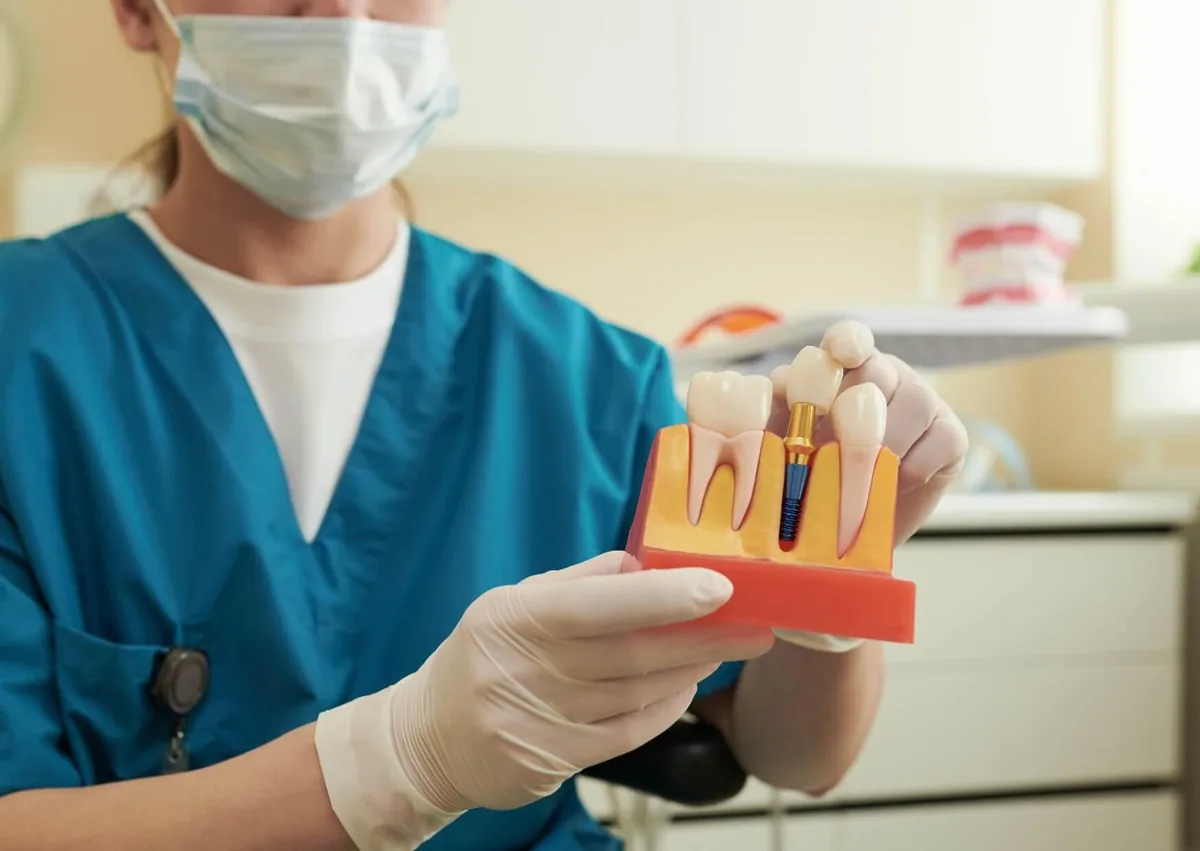
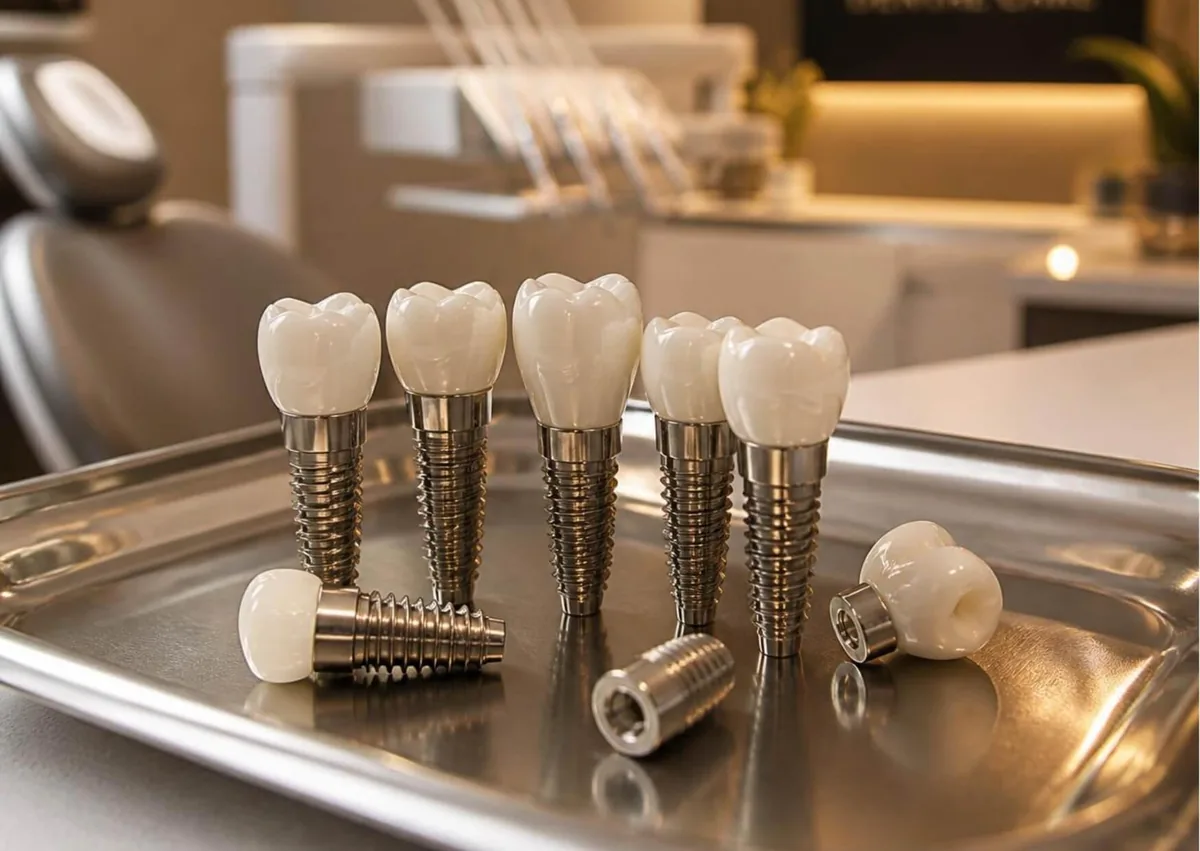
Zygomatic implants are longer than conventional dental implants. They are placed through or alongside areas of reduced upper-jaw bone and anchored into the zygomatic bone, or cheekbone, which is usually dense enough to provide strong support.
In many cases, zygomatic implants are combined with conventional implants to support a fixed full-arch bridge. The number and position of implants depend on bone volume, sinus anatomy, bite forces, and the design of the final restoration.
Some patients can receive a fixed provisional bridge on the day of surgery or soon after if the implants are stable enough. Same-day teeth do not mean same-day healing, and the temporary bridge must protect the implants while integration occurs.
The right treatment depends on anatomy, health, goals, and comfort with surgery. The comparison below outlines common differences, but only an exam and three-dimensional imaging can show which option is appropriate. For broader context, see dental implants pros and cons.
|
Option |
Typical Use |
Main Consideration |
|---|---|---|
|
Zygomatic implants |
Severe upper-jaw bone loss requiring full-arch support |
Complex surgery involving the cheekbone and nearby sinus structures |
|
Conventional implants |
Adequate jawbone for implant placement |
May be simpler, but insufficient bone can prevent stable placement |
|
Bone grafting followed by implants |
Rebuilding deficient bone before or with implant placement |
May involve additional surgery and a longer overall timeline |
|
Removable denture |
Replacing a full arch without fixed implant support |
Lower surgical burden, but retention and chewing efficiency may be limited |
|
Implant-retained removable denture |
Improving denture stability with implants |
Still removable and dependent on suitable implant sites |
Bone grafting remains a valuable option for many patients. It may allow conventional implants to be placed in more typical positions, but it also adds healing time and may be less predictable when bone loss is advanced.
A removable denture may still be appropriate for someone who wants less invasive treatment or cannot undergo complex surgery. Fixed and implant-retained removable options offer different tradeoffs in stability, cleaning, cost, and repair needs.
Candidates for zygomatic dental implants usually have extensive upper-tooth loss or failing upper teeth along with severe upper-jaw bone loss. This approach may also be considered after failed grafting or implant treatment, but the reason for the earlier failure must be identified first. Published indications for zygomatic implants support careful case selection and imaging-based planning.
A comprehensive evaluation often includes:
Active gum disease, untreated decay, uncontrolled medical conditions, or current sinus disease may need treatment before surgery. Heavy nicotine use and some health conditions can increase the risk of infection, poor healing, and implant failure.
Because this procedure is anatomically demanding, the clinician's training, planning process, and coordination with the restorative team matter. Patients should understand who will perform each stage, how complications are managed, and what long-term maintenance the final bridge will require.
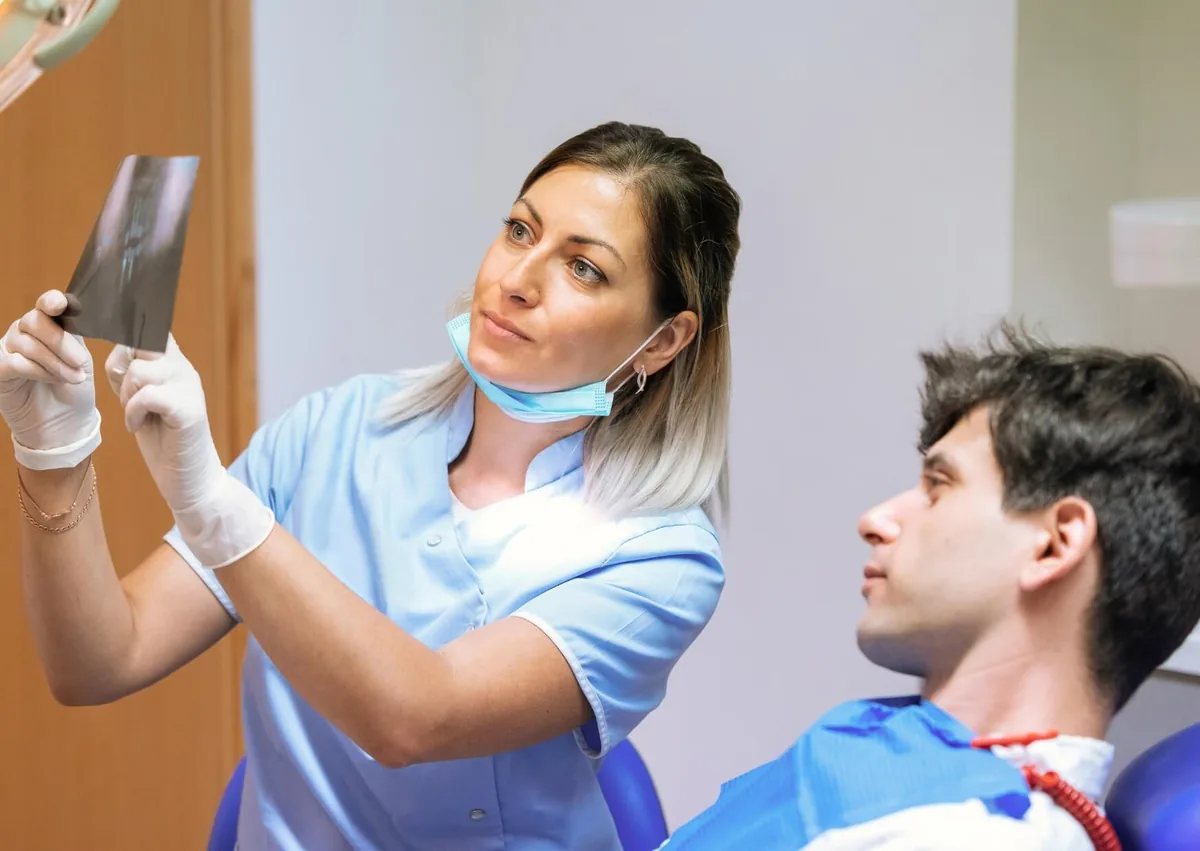
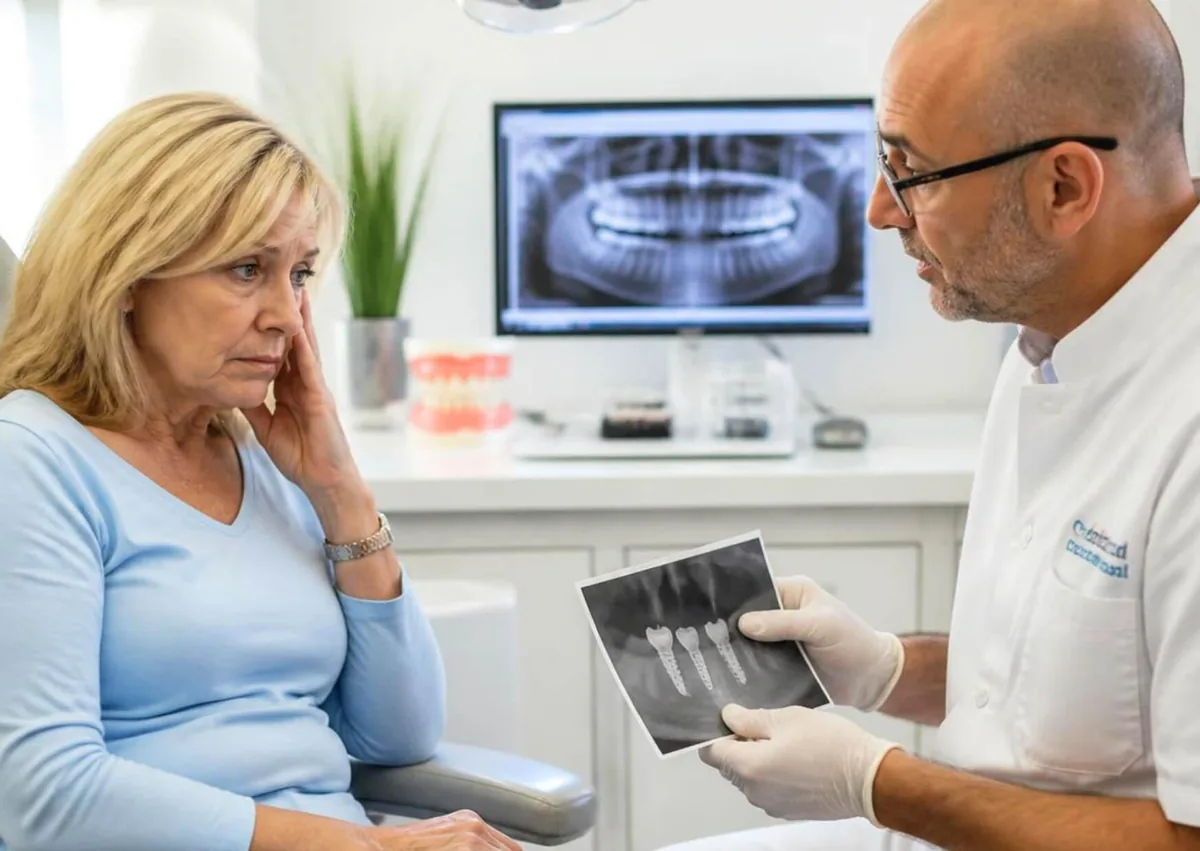
Planning usually begins with photos, scans or impressions, bite records, and CBCT imaging. Digital planning helps determine implant pathways and supports a bridge design that fits function, speech, and facial appearance.
Surgery is performed with appropriate anesthesia and sedation based on the procedure and the patient's medical needs. Any remaining hopeless teeth may be removed, implants are placed, and a provisional bridge may sometimes be attached the same day or shortly afterward.
The procedure shares some principles with dental implant surgery, but zygomatic anchorage involves different anatomy and implant trajectories.
Early healing often includes swelling, bruising, tenderness, diet restrictions, and temporary nasal or sinus symptoms. The dental team will give specific instructions for hygiene, activity, eating, and follow-up care.
Bone integration usually takes several months, even when a temporary fixed bridge is placed right away. After healing and confirmation of stability, the restorative team finalizes the bite, tooth position, appearance, and cleansability before delivering the definitive bridge.
Zygomatic implant surgery carries risks seen with other implant procedures, including bleeding, infection, delayed healing, implant failure, and problems with the temporary or final bridge. Reported surgical complications in this region can also include persistent sinus inflammation, communication between the mouth and sinus, altered sensation, and issues involving nearby tissues.
Some swelling and discomfort are expected after surgery, but symptoms should generally improve rather than worsen. Contact the treating team promptly for increasing pain or swelling, fever, foul drainage or taste, persistent nosebleeds, worsening sinus pressure, a loose restoration, or difficulty opening the mouth.
Seek urgent medical care for trouble breathing or swallowing, uncontrolled bleeding, rapidly expanding swelling, confusion, or eye symptoms such as swelling around the eye, double vision, or vision changes. New or unclear symptoms should be evaluated rather than managed only at home.
Implant-supported teeth cannot get cavities, but plaque can still inflame the tissue and bone around implants. That process can progress from peri-implant mucositis to peri-implantitis if it is not controlled.
Daily cleaning usually requires tools that reach under the bridge, such as an implant-safe water flosser, interdental brushes, floss threaders, or other products recommended by the dental team. Cleaning technique matters because a full-arch bridge does not contour like natural teeth.
Professional maintenance visits allow the team to examine the tissues, check the bite and screws, assess implant stability, and clean difficult areas. The bridge may also need repair or replacement over time because acrylic, ceramic, teeth, and screws can wear or fracture.
Avoiding nicotine, managing chronic health conditions, and addressing clenching or grinding may help protect the result. A nightguard may be recommended when appropriate, but it must be designed around the implant restoration.
For the right patient, zygomatic dental implants can provide fixed upper teeth despite advanced bone loss. Potential benefits include stronger stability, better chewing function than a loose conventional denture, and avoidance of some major grafting procedures.
This treatment does not replace natural teeth or eliminate future dental care. Long-term success depends on anatomy, overall health, surgical execution, prosthetic design, hygiene, and regular follow-up, and no responsible clinician can promise lifelong results.
Costs vary widely because treatment may include imaging, extractions, anesthesia, surgery, temporary teeth, a definitive bridge, and ongoing maintenance. For a broader overview, see the cost of dental implants.
Patients should ask for a written treatment plan that explains what is included, what could change after surgery, and how repairs or complications are handled.
A consultation is reasonable when severe upper-jaw bone loss, an unstable denture, or a previous statement that conventional implants are not possible is limiting your choices.
A specialist evaluation can clarify whether zygomatic dental implants, grafting, conventional implants, or a removable option offers the safest balance of function, complexity, and long-term outcomes.
Contact Tabor Dental Associates for full mouth dental implants in Hendersonville, TN, at (615) 822-3200 to discuss options and schedule a visit.
The procedure is performed with anesthesia, and sedation may be available when appropriate. Soreness, swelling, and bruising are common afterward, but severe or worsening pain should be reported promptly.
Some patients can receive a fixed provisional bridge on or soon after the day of surgery if the implants achieve sufficient stability. The bridge is temporary, healing continues for months, and immediate loading is not safe or possible in every case.
They may function for many years, but longevity varies. Oral hygiene, nicotine exposure, health conditions, bite forces, restoration design, and professional maintenance all affect the outcome.
They are often used to avoid extensive grafting or a traditional sinus-lift procedure in severely deficient upper jaws. Anatomy and the selected surgical pathway differ, so imaging is necessary to determine whether other sinus-related treatment is needed.
Replacement or an alternative reconstruction may be possible, depending on the reason for failure, available anatomy, infection, and overall health. A clinician experienced in complex implant complications should evaluate the site before further treatment.