A missing tooth can seem like a small gap until daily life starts changing around it. Chewing shifts to one side, certain foods quietly disappear from meals, and smiling in photos may start to feel more deliberate than natural. For many patients, the question is not simply how to replace a tooth, but which option will hold up physically, financially, and emotionally over time.
That is where the conversation about dental implants pros and cons becomes more than a checklist. Implants can be an excellent treatment, but they are not automatically the right answer for every mouth, health history, or budget. The most useful way to evaluate them is to understand how they work, what they do well, where they can fall short, and which tradeoffs matter most in real life.
At Tabor Dental Associates in Hendersonville, TN, we help patients explore their tooth replacement options with personalized guidance and comprehensive evaluations. If you are considering dental implants, understanding the benefits, limitations, and long-term considerations can help you make a confident, informed decision.
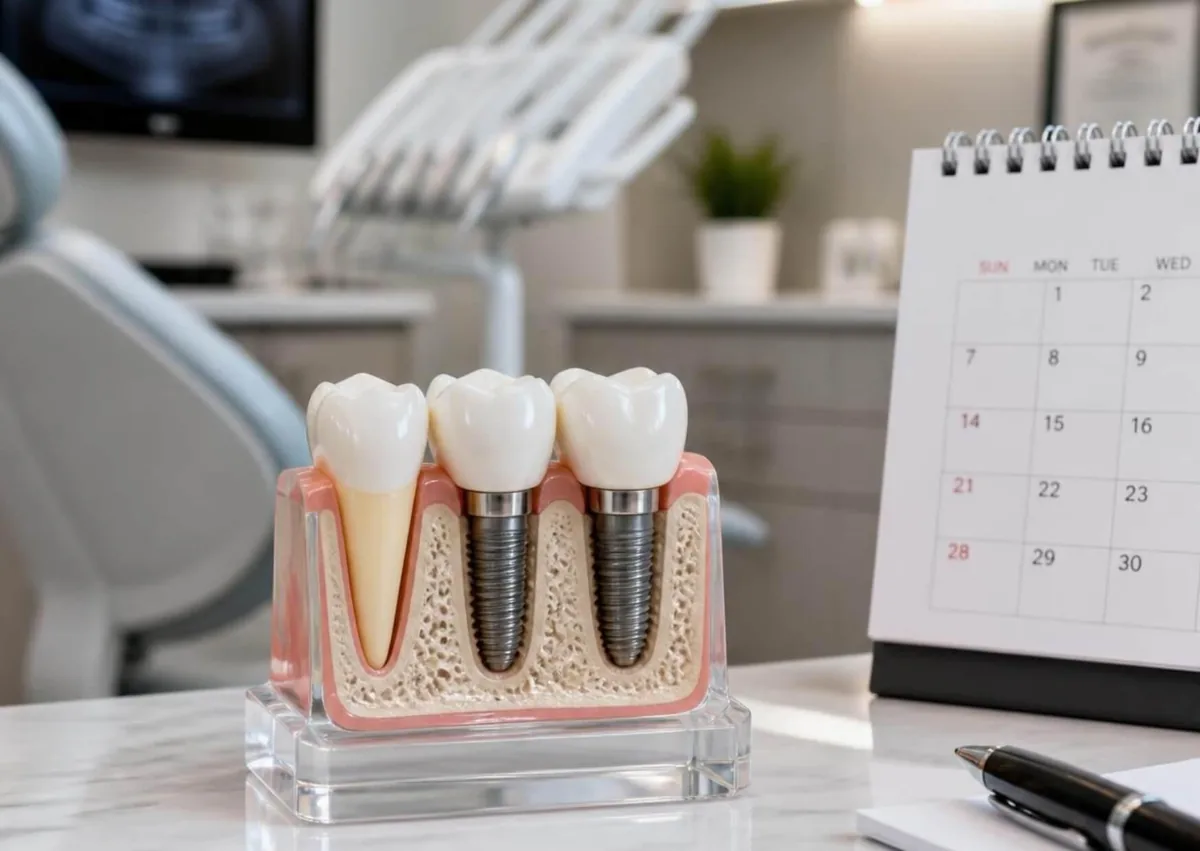
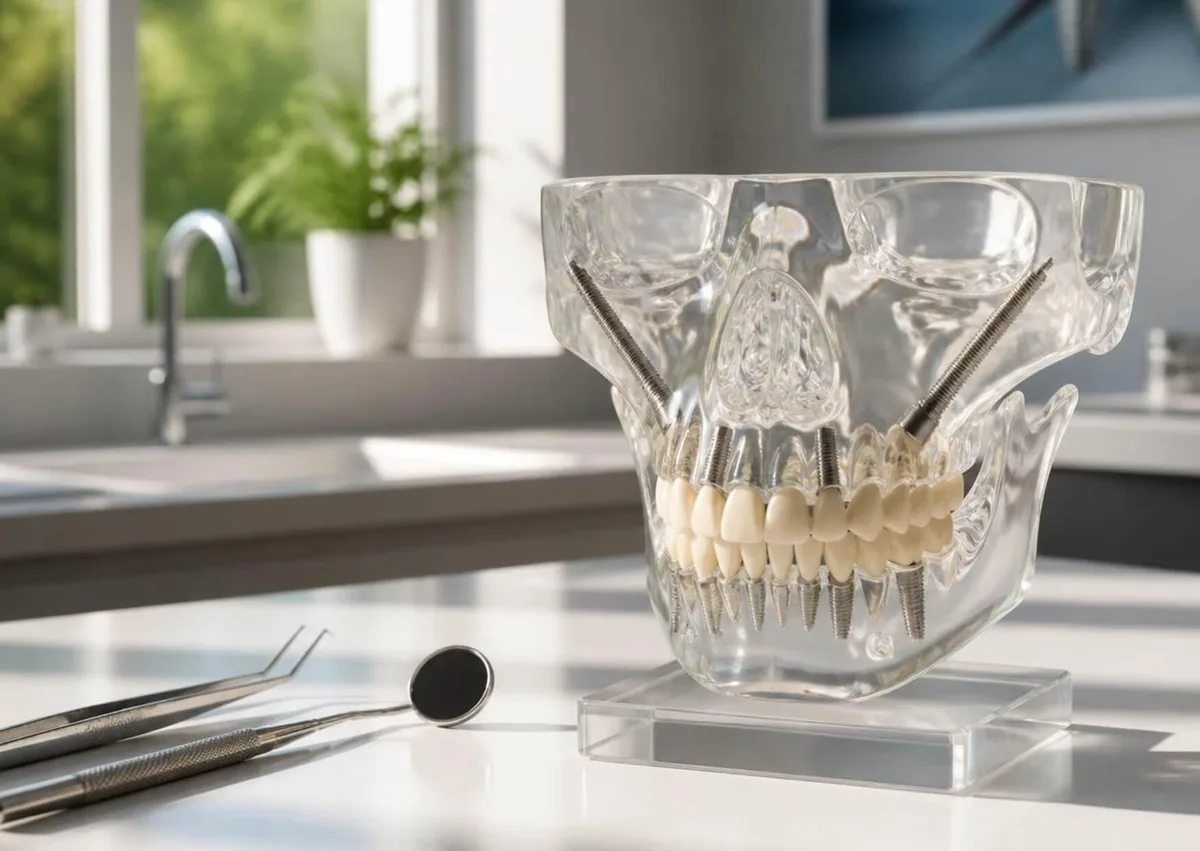
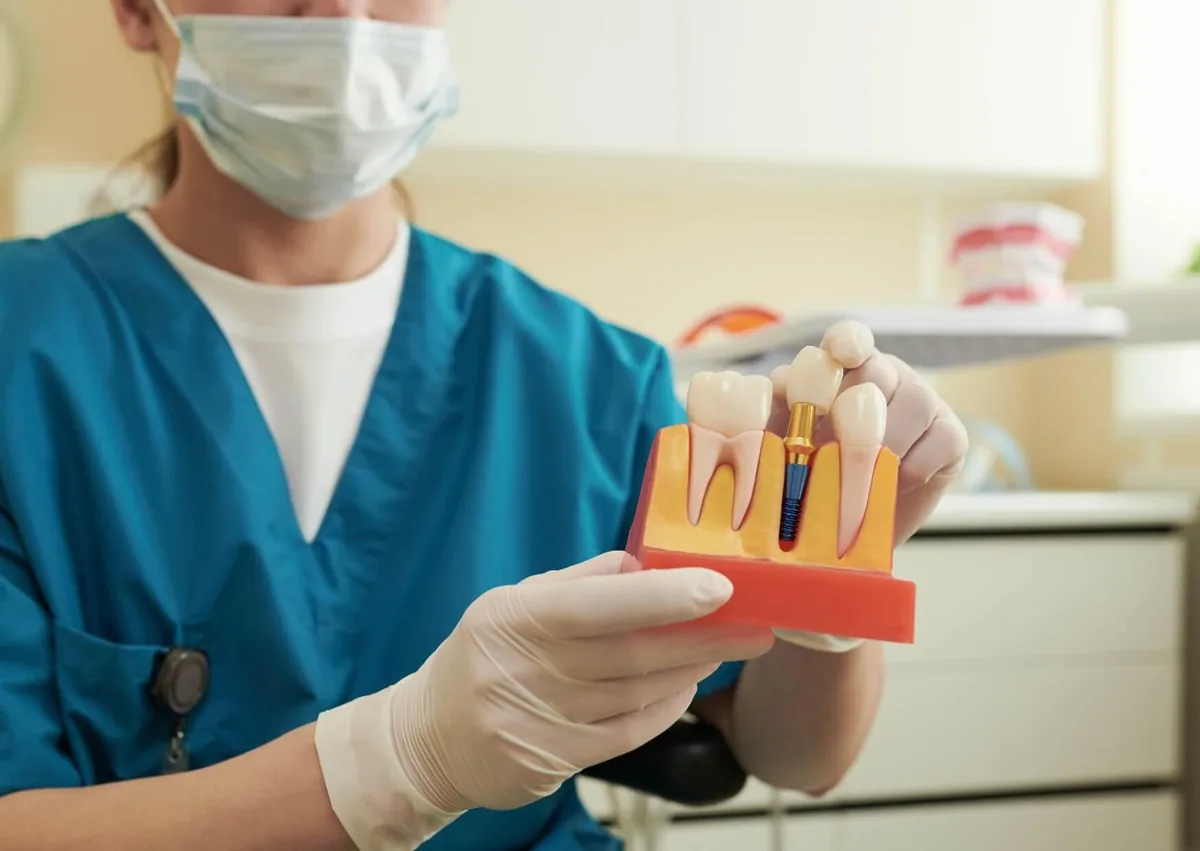
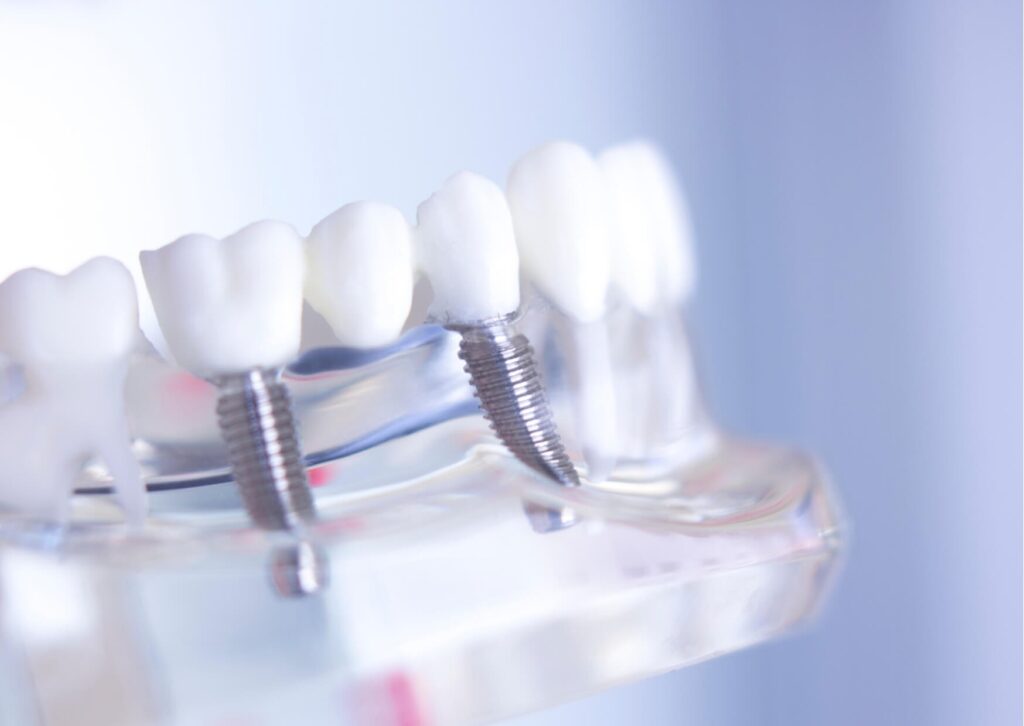
A dental implant is a small post, usually made of titanium or a titanium alloy, that is placed into the jawbone to act like an artificial tooth root. After healing, that post supports a connector piece and a custom crown, which is the visible tooth-shaped part. In some cases, implants can also support bridges or dentures.
The key biological concept is osseointegration, which means the bone gradually bonds to the implant surface. That bond is what gives implants their stability. Unlike a removable denture, an implant is fixed in the jaw. Unlike a traditional bridge, it usually does not require grinding down neighboring teeth for support.
This difference is why dental implants often feel closer to natural teeth than other replacements. Still, the process is more involved than placing a filling or a crown, and that matters when weighing the benefits against the risks.
The strongest argument in favor of implants is function. A well-placed, well-maintained implant can restore biting ability in a way that often feels secure and predictable. Many patients notice they can chew more comfortably than with a removable appliance, especially with firmer foods.
Another major advantage is jawbone support over time. When a tooth is lost, the surrounding bone may begin to shrink because it no longer receives the normal stimulation created by chewing forces through a tooth root. An implant can help preserve that area of bone better than options that sit above the gums only.
Implants also help protect nearby teeth in a different way. A conventional bridge often relies on the teeth next to the gap, which may need to be reshaped to hold crowns. An implant-supported crown usually stands on its own, so healthy neighboring teeth may be left untouched.
There is also the issue of day-to-day confidence. A stable tooth replacement can make speaking, laughing, and eating in public feel less calculated. That emotional benefit is real, even if it is harder to measure than X-rays or chewing force.
For patients planning long term, implants can be a durable solution. They do not last forever in every case, but published evidence on implant survival shows they often perform well for many years when conditions are favorable and maintenance is consistent.
The biggest drawback for many patients is cost. Implants often involve several steps, such as imaging, surgical placement, healing visits, the final crown, and sometimes bone grafting or sinus augmentation if the site needs more support. That makes the total expense higher than many bridges or dentures.
Time is another factor that is easy to underestimate. Some implant cases move efficiently, but others take months from extraction to final restoration. Healing periods are not wasted time biologically, yet they can feel long for patients who expected a quicker replacement.
Implants also require surgery. Even when the procedure is routine in experienced hands, it is still a surgical intervention with normal risks such as swelling, bleeding, discomfort, delayed healing, or infection. In the upper back jaw, the sinus may be a consideration. In the lower jaw, nerve proximity can matter. These are planning issues, not automatic problems, but they are part of responsible consent. If you want more detail on the surgical steps and recovery, review our implant surgery information.
There is also the reality that implant failure can happen. Sometimes the implant does not integrate with the bone. In other cases, it may function well at first and later develop problems related to overload, bone loss, gum inflammation, or cleaning difficulty. An implant is not immune to disease simply because it is artificial.
A final concern is expectation mismatch. Some patients imagine implants as permanent, maintenance-free replacements that behave exactly like natural teeth. That is not how they should be viewed. They can be excellent restorations, but they still need careful hygiene, regular follow-up, and realistic planning.
A good implant candidate usually has enough bone in the area, healthy or manageable gum tissue, and a mouth that can be kept clean consistently. Good general health helps, but many patients with medical conditions can still receive implants if those conditions are stable and properly reviewed.
Gum disease is an important part of the story. If the gums and supporting bone are already inflamed or damaged, an implant may face the same unhealthy environment that affected natural teeth. In that setting, a dentist may recommend controlling periodontal disease first. Our gum disease treatment options are focused on resolving infection and inflammation before moving on to restorative steps.
Smoking and vaping can also affect outcomes because they may impair blood flow and healing. This does not mean every patient who smokes is automatically excluded, but it does increase the need for a careful risk discussion.
Diabetes, immune conditions, certain medications, teeth grinding, and a history of radiation to the jaws may all influence planning. None of these details should be guessed at from online reading alone. They are exactly the kinds of factors that make a personalized dental evaluation important.
Age by itself is not the main issue. Bone development, healing capacity, and oral health matter more than a number. In younger patients whose jaws are still developing, timing can be especially important.
Sometimes the best decision is not no, but not yet. If there is an active infection, uncontrolled gum disease, severe bone loss, or a medical issue that makes healing unpredictable, a dentist may advise stabilizing those problems before moving toward implant surgery.
In other cases, the limiting factor is practical rather than biological. A patient may need a faster, lower-cost solution or may not want multiple visits over several months. A bridge or removable partial denture may make more sense in that context, even if an implant remains an option later.
There are also situations where anatomy creates extra complexity. If the sinus is close to the implant site, if the bone ridge is very thin, or if the bite places unusually high force on the area, treatment may still be possible but less straightforward. Those cases deserve careful imaging and a frank discussion about risk, cost, and alternatives.
This is one of the more ethical parts of implant dentistry. The question is not whether an implant can be placed, but whether it should be placed under the current conditions.
Each tooth replacement option solves a different problem in a different way. The right choice often depends on how many teeth are missing, the condition of neighboring teeth, the health of the gums and bone, and what level of treatment a patient is ready to take on.
| Option | Main Advantages | Main Limitations |
| Dental implant | Feels stable, may help preserve bone, usually does not rely on adjacent teeth | Higher cost, surgical procedure, longer treatment timeline |
| Traditional bridge | Faster than many implant cases, fixed in place, often effective when adjacent teeth already need crowns | May require reshaping neighboring teeth, does not replace the root, bone in the gap may still shrink |
| Removable partial denture | Lower upfront cost, non-surgical, can replace multiple teeth | Less stable, may affect speech or comfort, requires removal for cleaning |
| Full denture supported by implants | Better retention than a conventional denture, improved chewing for many patients | More expensive and complex than a standard denture, still requires maintenance |
A single missing tooth often leads to the implant-versus-bridge comparison. If the neighboring teeth are healthy and untouched, many dentists view an implant favorably because it avoids preparing those teeth. If the neighboring teeth already need crowns, a bridge may be a more practical option.
For multiple missing teeth, implants can support bridges or dentures in ways that improve stability significantly. Still, more hardware does not always mean better care. The treatment should fit the mouth, not the marketing.
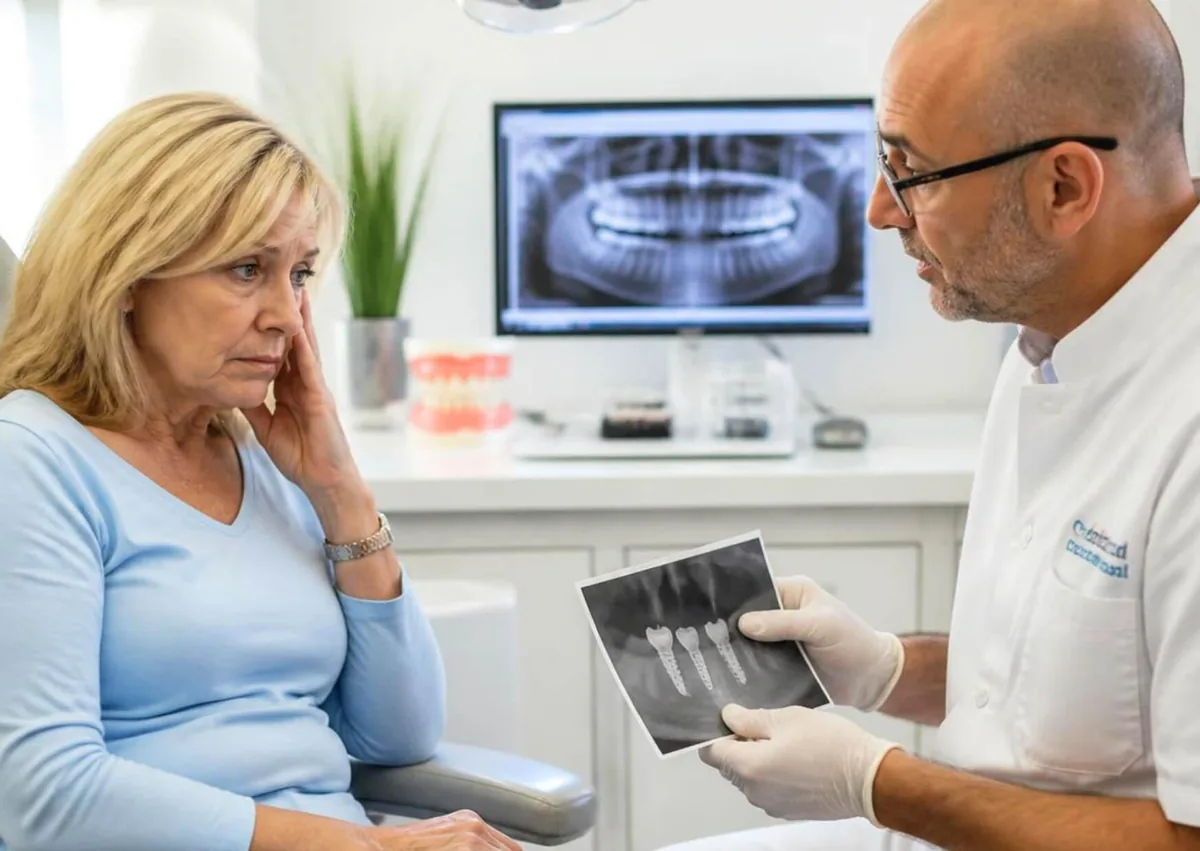
The process usually starts with an exam, dental imaging, and a review of medical and dental history. A dentist assesses bone volume, gum health, bite forces, and the condition of nearby teeth. Three-dimensional imaging is often used when precision matters, especially near nerves or the sinus.
If a damaged tooth needs to be removed, the timing of implant placement depends on the site. In some cases, placement can happen soon after extraction. In others, the area needs time to heal first or may need grafting material to rebuild lost bone.
After the implant is placed, healing takes time. The bone needs to integrate with the implant before the final restoration is attached. Some cases allow for a temporary tooth during this period, but not every site is suitable for immediate loading, which means putting functional pressure on the implant right away.
Once healing is adequate, the final crown, bridge, or denture component is made and connected. Even after treatment is complete, follow-up remains important because early signs of bite overload, gum inflammation, or cleaning difficulty are easier to address when found promptly.
Most implant procedures heal without major problems, but complications can occur during healing or years later. Early issues may include swelling beyond what was expected, persistent pain, bleeding that does not settle, or signs of infection. Later concerns may include loosening, difficulty chewing on the implant, gum recession, or bone loss around the implant.
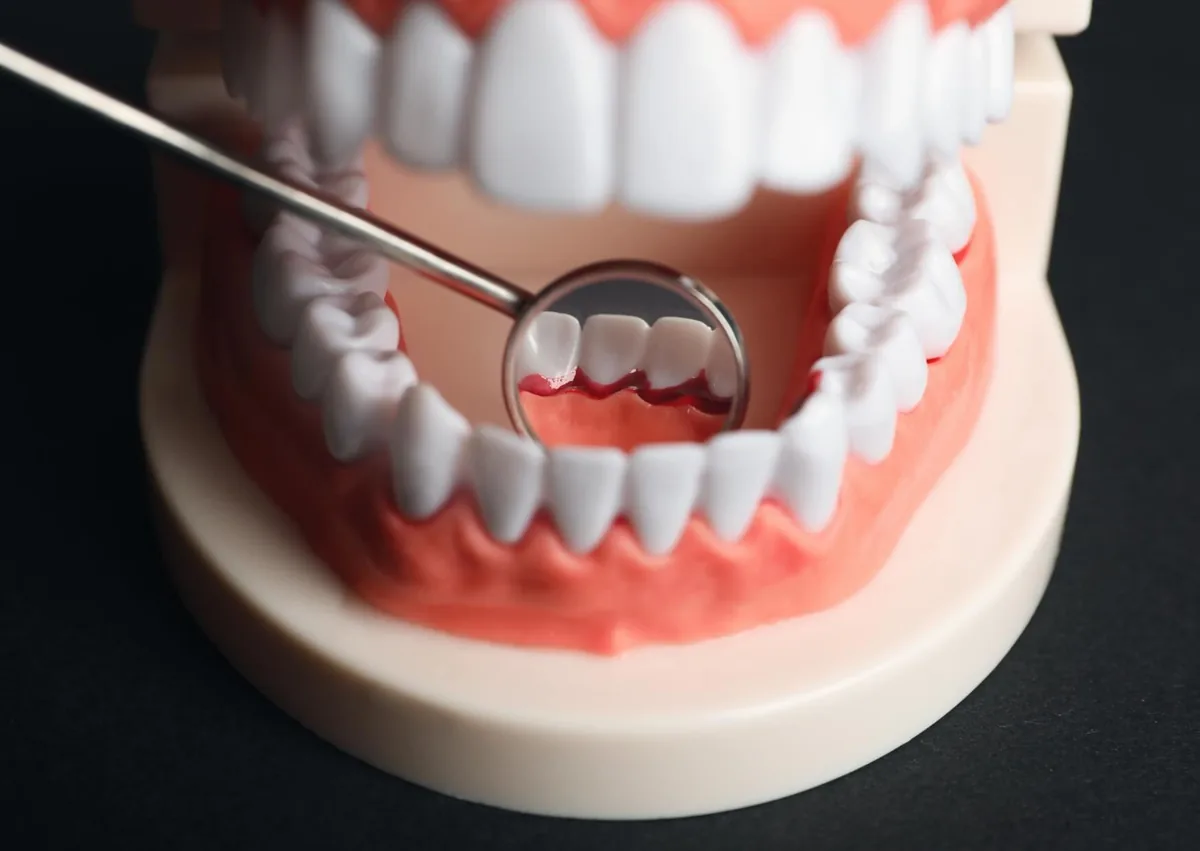
One condition patients may hear about is peri-implantitis. This means inflammation and infection affecting the tissues around an implant, often with progressive bone loss. It can behave somewhat like gum disease around a natural tooth, but managing it can be more complicated.
Seek prompt dental care if there is facial swelling, fever, pus, or worsening pain after implant treatment. Urgent evaluation is also appropriate if numbness persists, the bite suddenly feels very wrong, or the implant or attached tooth feels mobile. A crown can loosen without the implant failing, so not every movement means the same thing, but it should still be checked quickly.
If symptoms are severe, spreading, or associated with trouble swallowing or breathing, emergency care is appropriate. Online advice should never replace in-person assessment for those warning signs.
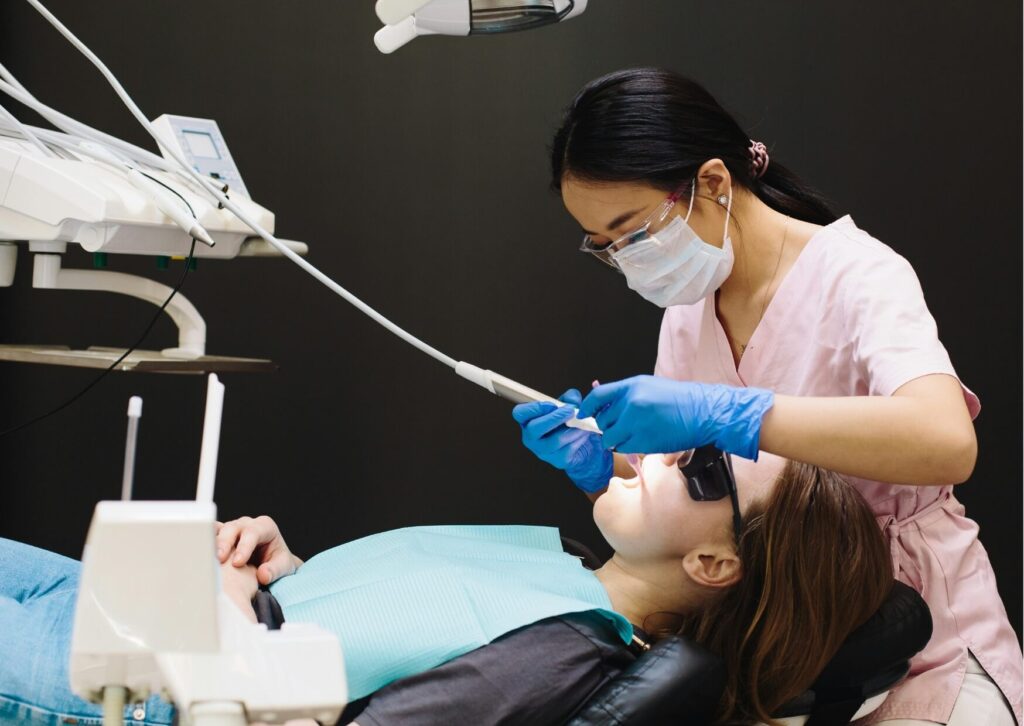
An implant does not get a cavity, but the surrounding tissues can still become inflamed or infected. That is why home care and professional maintenance matter so much. The goal is not just keeping the crown clean, but protecting the gum seal and bone around the implant.
Cleaning around implants can be more technique-sensitive than patients expect, especially under implant bridges or around areas where food traps easily. If a restoration is bulky or hard to access, maintenance becomes harder, and that can affect long-term success.
Regular dental visits help monitor the bite, gum health, and bone levels over time. In real life, many implant problems begin quietly. They may not hurt early on, which is exactly why routine follow-up has value.
This is also where the family perspective often enters. A treatment that looks ideal on a scan may not stay ideal if daily cleaning is difficult for the patient, if dexterity is limited, or if long-term recall visits are likely to be inconsistent. The best restoration is one that can actually be maintained.
It is reasonable to focus on cost. Implant treatment can be expensive, and patients should not feel pressured to treat that concern as secondary. At the same time, the more useful question is often total value over time rather than the initial fee alone.
A lower-cost option may need replacement sooner, may be less comfortable, or may place stress on other teeth. On the other hand, an implant that requires grafting, multiple appointments, and complex maintenance may not be the wisest investment for every patient.
The practical approach is to ask what is included, what future maintenance may look like, what alternatives exist, and what risks are specific to the mouth being treated. A transparent treatment discussion should include all of that, not just a single number on a printed estimate.
A good implant consultation should leave fewer mysteries, not more. It is reasonable to ask:
The quality of the answers matters. Clear explanations, realistic timelines, and honest discussion of alternatives are usually good signs that the planning is patient-centered.
When patients weigh dental implants pros and cons carefully, the appeal is easy to understand. Implants can restore function well, help preserve bone, avoid relying on neighboring teeth, and feel more natural than removable options for many people.
The counterweight is just as important. They cost more, take longer, involve surgery, and require long-term maintenance in a mouth that is biologically capable of supporting them. In some cases, they are the best available solution. In others, a bridge, partial denture, or staged treatment plan may be more sensible.
The strongest decision is usually the one built on specifics: the condition of the bone and gums, the health history, the bite, the budget, and the patient’s ability to maintain the result. That is why a proper dental evaluation matters more than broad promises or blanket opinions.
Understanding the dental implants pros and cons is only part of the decision. The right tooth replacement solution depends on factors such as your oral health, bone support, lifestyle, long-term goals, and budget. A thorough evaluation can help determine whether dental implants are the best option or if another treatment may better suit your needs.
Don't let uncertainty keep you from restoring your smile. Call Tabor Dental Associates in Hendersonville, TN, at (615) 822-3200 to schedule a dental implant consultation and learn which tooth replacement option offers the best fit for your needs.
We proudly serve patients from Hendersonville, Madison, Goodlettsville, Gallatin, Nashville, and surrounding communities.
Not always. Implants are often favored when neighboring teeth are healthy because they can replace a missing tooth without cutting down those teeth. Bridges may be a better fit when adjacent teeth already need crowns, when treatment needs to move faster, or when surgery is not ideal.
Implants can last many years, and some remain successful for a very long time. Longevity depends on bone support, gum health, bite forces, smoking status, medical factors, and maintenance. No restoration should be assumed to last forever.
Discomfort is common after placement, but the intensity varies by case. Many patients describe the recovery as manageable, especially when the procedure is straightforward. Severe, worsening, or unusual pain should be reported to the treating dentist.
No. Many patients are candidates, but not everyone is an ideal fit at the time of evaluation. Bone loss, active gum disease, smoking, certain medical conditions, and healing concerns may affect whether implants are recommended now, later, or not at all.
For many patients, the biggest downside is the combination of higher cost, longer treatment time, and the fact that surgery is involved. The most important downside clinically is that implants can still develop complications if planning, healing, or maintenance are not favorable.