Dental bone graft recovery usually involves a few days of swelling and soreness, then steady improvement over one to two weeks. The gums often heal first, but the graft itself usually needs several months to integrate with the jaw before the next restorative step. If you're unsure whether you need a bone graft, see needing a bone graft.
Bone grafting can rebuild the foundation needed for a stable restoration if you're facing jawbone loss that could complicate tooth replacement. At Tabor Dental Associates in Hendersonville, TN, we tailor bone grafting approaches to minimize recovery time and help you move safely toward implants or other restorations.
Jawbone stays stronger when tooth roots stimulate it. After a tooth is lost or removed, the surrounding bone often shrinks, which can leave too little support for dental implants or affect the natural shape of the gums and face.
Bone loss can also result from gum disease, infection, injury, or long-term denture wear. A dental bone graft adds material to the area so the body can rebuild a stronger foundation of living bone.
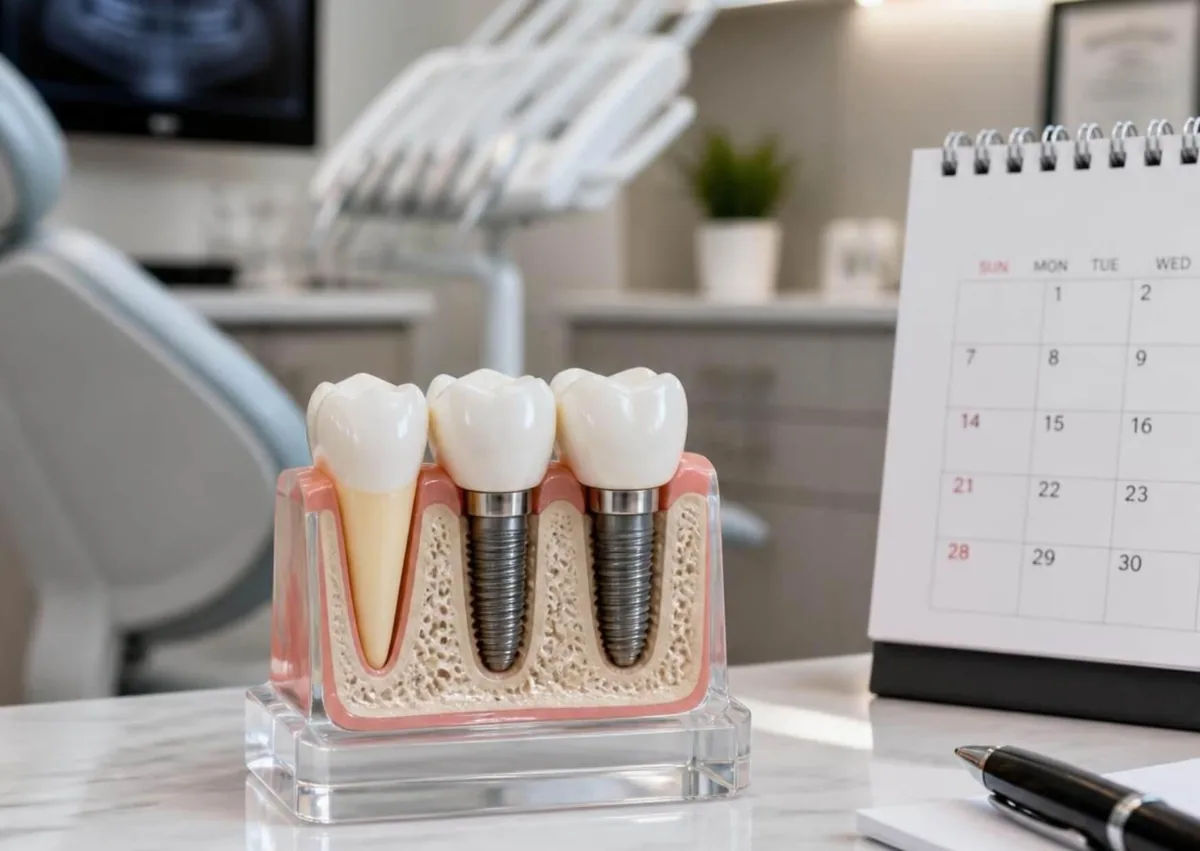
A graft does not always remain unchanged in the jaw. In many cases, it acts as a scaffold that is gradually remodeled and replaced or incorporated by the patient’s own bone.
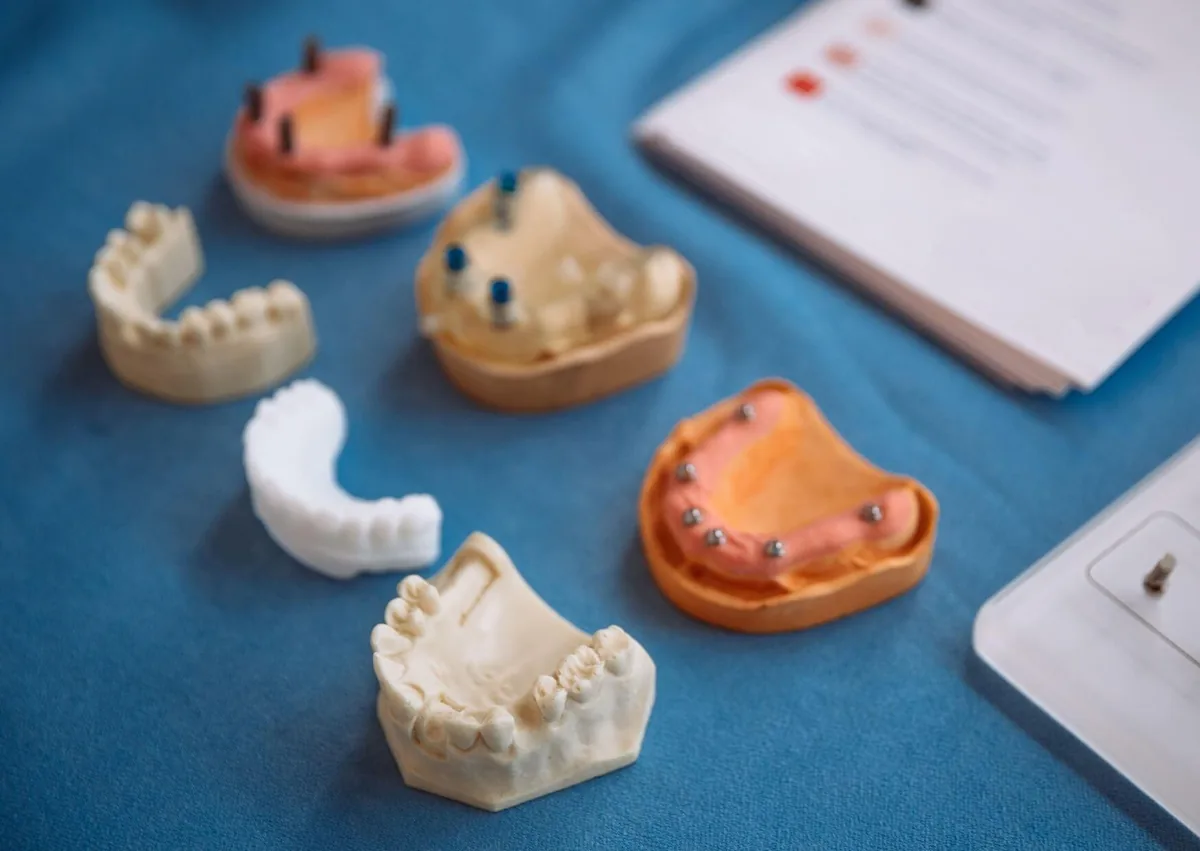
The right grafting approach depends on where bone is missing and how much rebuilding is needed. Common options include socket preservation after tooth extractions, ridge augmentation for a narrow or short ridge, and sinus augmentation for the back of the upper jaw.
Graft material may come from processed human donor bone, animal-derived sources, synthetic materials, or the patient’s own bone. These materials behave differently, but properly screened and processed graft products do not require matching blood types.
|
Grafting Approach |
Typical Purpose |
General Healing Considerations |
|---|---|---|
|
Socket preservation |
Limits bone loss after extraction |
Often smaller and less extensive than ridge reconstruction |
|
Ridge augmentation |
Rebuilds jaw width or height |
May require several months before implant placement |
|
Sinus augmentation |
Adds support below the upper sinus |
Swelling and sinus precautions may be relevant |
|
Autogenous graft |
Uses the patient’s own bone |
A second surgical site may need to heal |
Candidacy depends on oral health, available bone, medical history, and daily habits such as tobacco or nicotine use. Uncontrolled diabetes, active gum disease, untreated infection, certain medications, and prior radiation to the jaws may change the plan or increase healing risk.
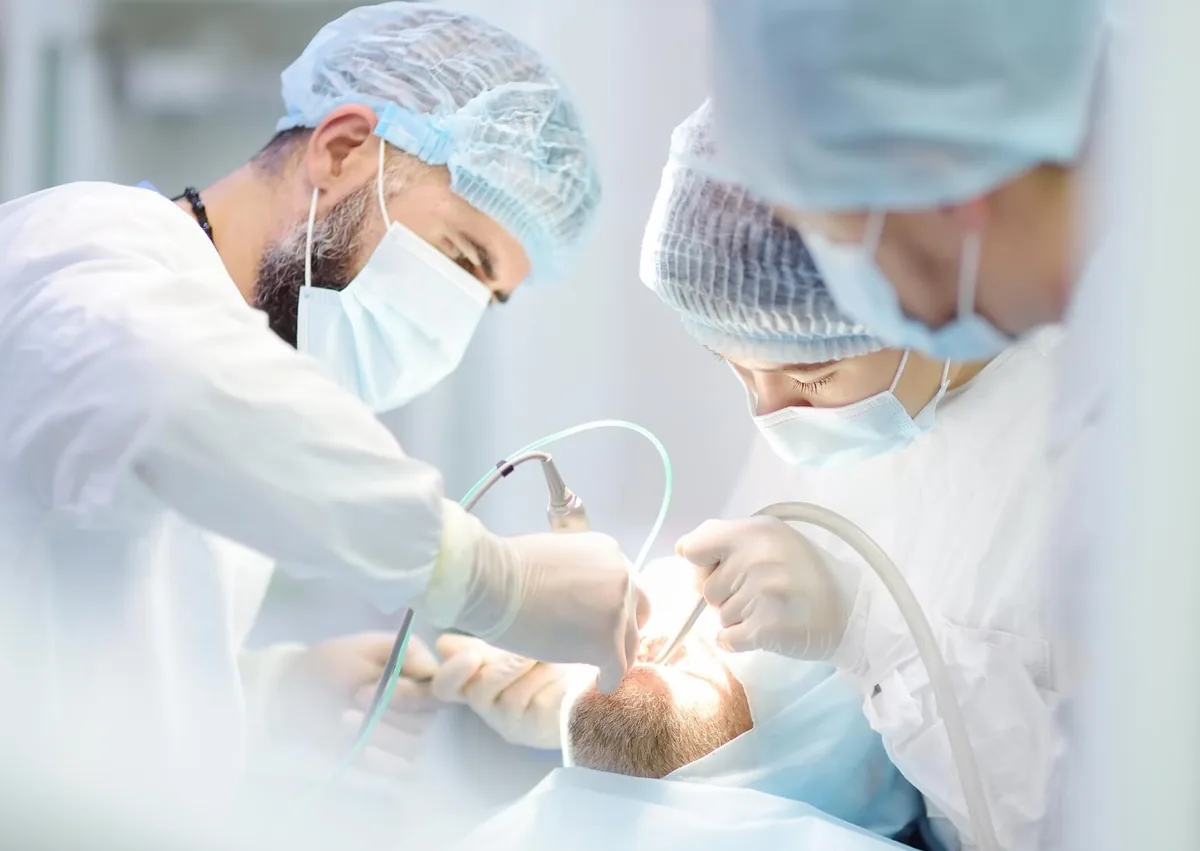
The dentist or specialist numbs the area and places grafting material where support is needed. A membrane may be used to protect the site, and sutures usually help close or stabilize the tissue.
Some patients can have an implant placed at the same visit if enough natural bone remains for stability. If the defect is larger, the graft usually heals first and implant placement happens later.
Before treatment, imaging helps measure bone and identify nearby structures such as nerves and sinuses. The clinician should also review medical conditions, allergies, medications, supplements, and nicotine use because these factors can affect bleeding, infection risk, and healing.
Dental bone graft recovery has two parts. The gums heal over the site first, while the deeper graft continues integrating with the jaw for much longer.
Feeling better does not mean the graft is fully healed. The next step is based on the exam and imaging, not just the calendar.
|
Time After Treatment |
What May Be Expected |
General Priorities |
|---|---|---|
|
First 24 to 72 hours |
Soreness, mild bleeding or oozing, swelling, bruising |
Rest, protect the clot, follow written instructions |
|
Days 3 to 7 |
Swelling should stabilize and begin improving |
Keep the area clean as directed, attend follow-up if scheduled |
|
Weeks 1 to 2 |
Gum tenderness usually decreases; sutures may dissolve or be removed |
Continue avoiding pressure or trauma at the site |
|
About 3 to 6 months |
Bone may mature enough for the next restorative step |
Imaging and examination determine readiness |
|
Beyond 6 months |
Larger grafts may continue integrating |
Timing remains individualized |
Discomfort is usually manageable with the pain-control plan provided by the treating clinician. Swelling often peaks within the first two or three days and then starts to improve, although larger grafts may take longer.
A few small, sand-like particles may appear in the mouth early in healing. Call the office if there is heavy or ongoing loss of graft material, the wound opens, or a membrane becomes exposed.
Follow the treating clinician’s written instructions closely because care varies by procedure and medical history. In general, avoid touching the site with fingers or the tongue, rinsing forcefully, spitting hard, using straws, or brushing directly over the fresh wound until you are told it is safe.
Soft, cool, or lukewarm foods are usually easiest at first. Hard, crunchy, sharp, sticky, or very hot foods can irritate the area or place pressure on the graft.
Chewing on the opposite side may help protect the site. Good hydration and adequate nutrition also support healing, and our guide to soft foods after surgery can help with meal ideas.
Avoid smoking, vaping, and other nicotine exposure because they can reduce blood flow and increase the risk of delayed healing or graft failure. Strenuous activity may also worsen bleeding or throbbing early on, so return to exercise only as advised.
Do not change prescription medicines based on general online information. Use prescribed rinses and medications exactly as directed, and ask the office before applying over-the-counter products near the surgical site.
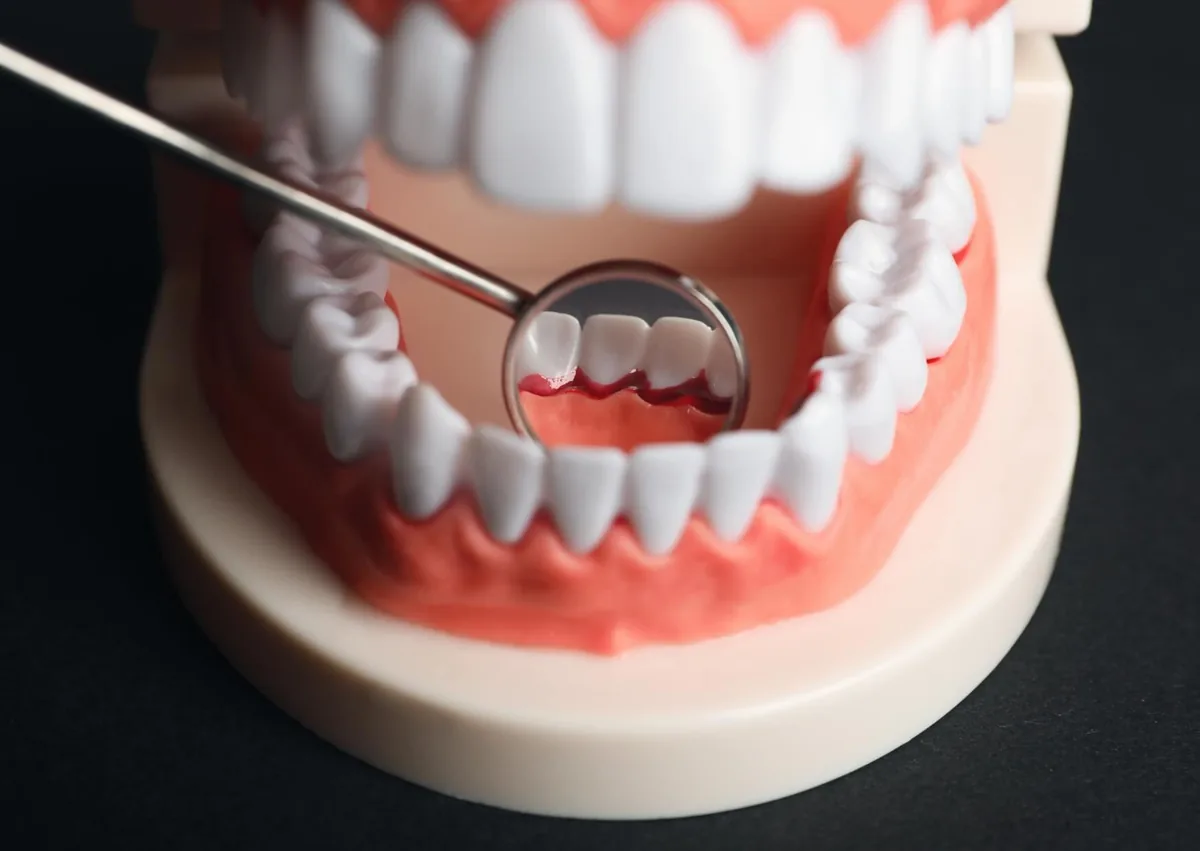
Normal healing often includes mild to moderate soreness, swelling, bruising, slight blood-tinged saliva, and temporary jaw stiffness. These symptoms should generally improve after the first few days rather than getting worse.
Call the treating dentist or surgeon promptly for worsening pain or swelling after initial improvement, persistent bleeding, fever, pus, a foul taste or odor, wound opening, numbness that persists or worsens, or concern that the graft has shifted.
If the graft was done in the upper jaw, new sinus pressure or fluid passing between the mouth and nose also needs prompt professional guidance. Seek urgent or emergency care for trouble breathing or swallowing, rapidly expanding facial or neck swelling, severe uncontrolled bleeding, confusion, or signs of a serious allergic reaction.
A successful graft can improve the amount and shape of bone available for an implant, help preserve the jaw after extraction, and support more natural-looking restorative contours. It may also make implant treatment possible in an area that otherwise lacks enough support, and you can read more about dental implants pros and cons for broader context.
However, a bone graft cannot guarantee implant success. Infection, poor blood supply, uncontrolled health conditions, nicotine exposure, excessive pressure, and individual healing differences can all affect the outcome.
Grafting also adds treatment time, cost, and another healing phase. Some patients may have alternatives, such as a bridge, removable prosthesis, or a modified implant plan, and the cost of dental implants can help frame the larger treatment picture.
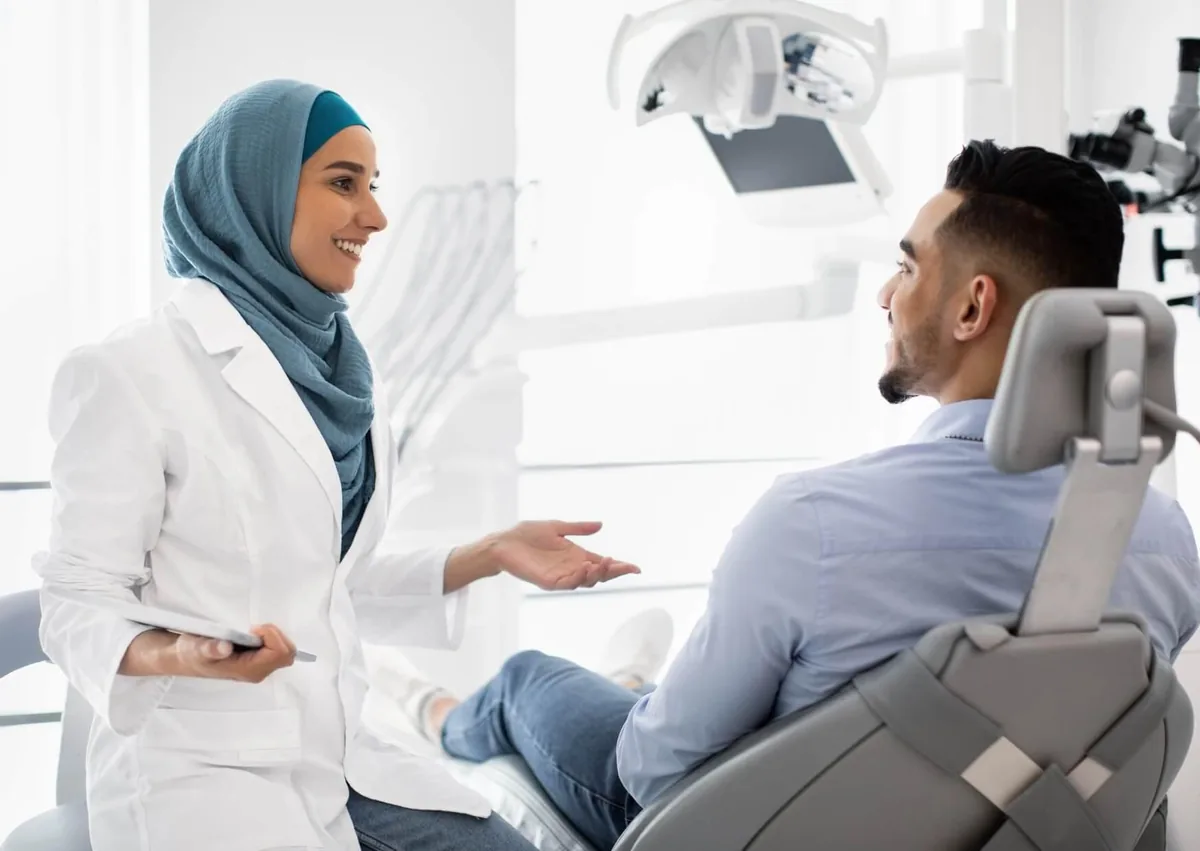
Once the site has healed, the dentist uses an exam and imaging to decide whether the bone is ready for an implant or final restoration. Symptoms alone cannot confirm whether the graft has matured enough.
After restoration, daily plaque control and regular dental visits help protect the gums and bone around both natural teeth and implants. Patients with a history of periodontal disease may need more frequent maintenance based on their risk level.
For a longer-term view, see how long dental implants last. A consultation is appropriate after tooth loss, before a planned extraction, or when an implant evaluation shows inadequate bone.
A brief consultation can confirm whether a graft is needed and outline timing and expectations for a safe implant pathway. Call Tabor Dental Associates for bone grafting in Hendersonville, TN at (615) 822-3200 to schedule an appointment or request same-day availability.
Most patients have soreness and swelling rather than severe pain, and symptoms often improve after the first few days. Pain that is intense, increasing, or returning after improvement should be reported to the treating clinician.
Many people return to desk-based work within one or two days. Physically demanding work or a larger graft may require more recovery time, so the treating clinician should guide that decision.
Most patients start with soft foods and gradually return to a normal diet as comfort and tissue healing improve. Avoid chewing directly on the site until the clinician says it is safe.
Sometimes. Same-day placement may be possible when enough natural bone remains to stabilize the implant, but larger defects often need to heal before implant surgery.
Reduced symptoms alone do not confirm success. The dentist or specialist checks the site clinically and may use X-rays or 3D imaging before deciding whether the bone is ready for the next step.