The full mouth dental implants cost in the United States often ranges from about $40,000 to $90,000 or more for both arches. One full-arch restoration may cost about $20,000 to $45,000 or more, depending on the number of implants, materials, surgical needs, and provider experience. For a smaller-point comparison, see single tooth implant cost.
These are broad planning ranges, not treatment quotes. An exact price depends on an exam, imaging, and a written plan that shows whether the fee includes extractions, bone grafting, sedation, temporary teeth, and the final prosthesis.
Full mouth dental implants can provide a stable, non-removable solution that restores chewing and confidence. Tabor Dental Associates in Hendersonville evaluates candidacy with imaging and personalized planning to create a full-arch plan focused on function, appearance, and long-term care.
Full-mouth implant treatment is not just the cost of the implants themselves. The total fee usually reflects diagnosis, surgical planning, implant placement, temporary teeth when appropriate, lab work, and the final restoration.
Price also changes based on whether treatment involves one arch or both. A lower advertised number may apply only to a single arch, a temporary set of teeth, or the surgical phase alone.
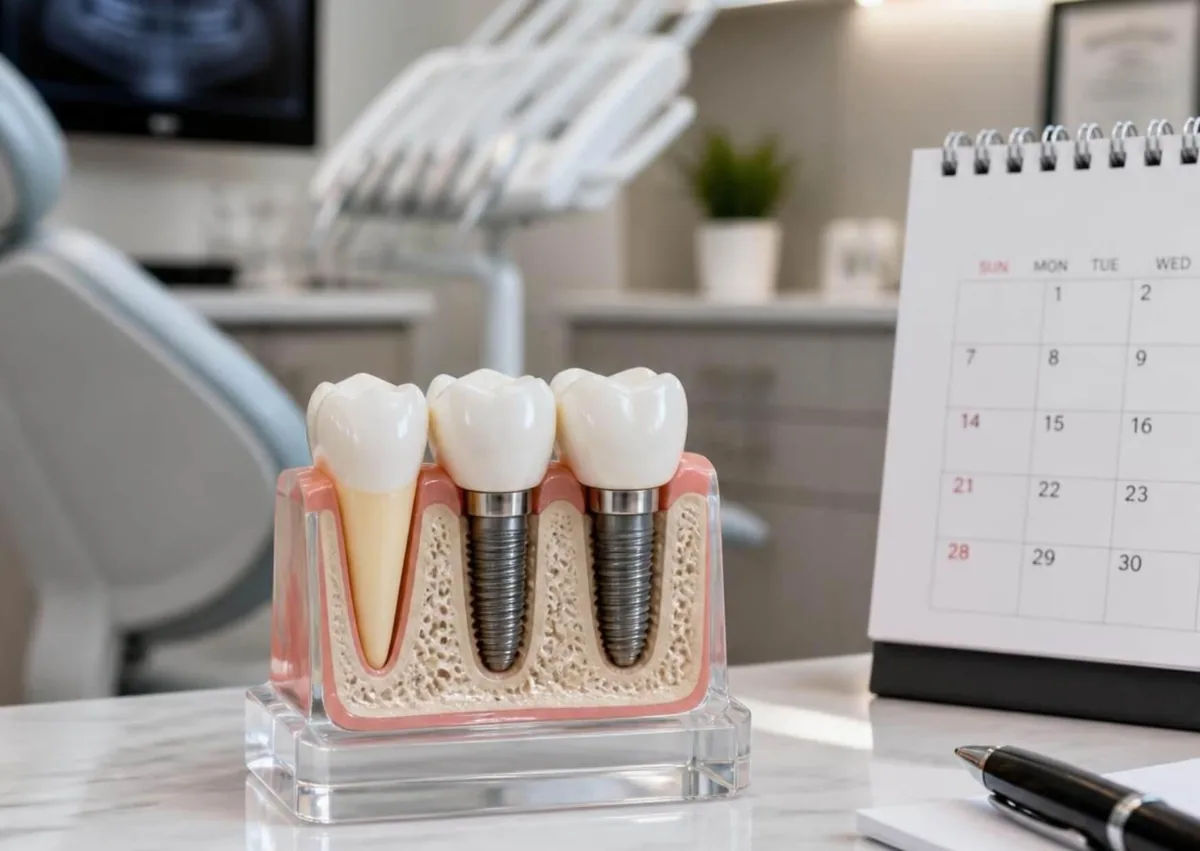
A full-arch implant restoration replaces an entire upper or lower row of teeth with a prosthesis supported by implants in the jawbone. Unlike a traditional removable denture, it gains stability from the implants instead of relying mainly on the gums and suction.
This option may be recommended when most teeth are missing or cannot be restored predictably because of severe decay, fractures, advanced gum disease, or failing dental work. If healthy teeth can still be saved, keeping them may offer better long-term value and preserve more natural tissue.
The phrase “full mouth dental implants” can be misleading. Most full-arch cases use a planned number of implants to support a full row of teeth rather than placing one implant for every missing tooth.
The number and position of implants are major cost drivers. Some fixed arches use four implants, while others need more support based on bone anatomy, bite force, restoration design, and clinical judgment.
The final teeth also affect price. Acrylic or composite teeth on a reinforced framework often cost less upfront, while zirconia restorations usually cost more and may offer different tradeoffs in strength, appearance, weight, and repairability.
Other common cost factors include:
Geographic location, laboratory fees, and the training of the treating team can also change the total. Ask for a written, itemized estimate so you can see exactly what is and is not included.
Full-mouth rehabilitation is not one single treatment. The right option depends on oral health, bone support, dexterity, expectations, budget, and willingness to maintain the restoration.
|
Option |
How It Functions |
Relative Cost and Considerations |
|---|---|---|
|
Traditional complete denture |
Removable teeth rest on the gums |
Usually the lowest initial cost; may move, reduce chewing efficiency, and need relining |
|
Implant-retained overdenture |
Removable denture attaches to implants |
Moderate cost; better retention, but must be removed for cleaning |
|
Fixed full-arch bridge |
Prosthesis is secured to implants and removed only by a dental professional |
Higher cost; strong stability, with careful daily cleaning required |
|
Individual implant restorations |
Multiple implants support smaller bridges or crowns |
Often the highest cost and may require more bone and more surgery |
Dentures can still be a reasonable choice for some patients, especially when surgery is not appropriate or affordability is the main concern. An implant overdenture can offer a middle ground between a conventional denture and a fixed full-arch bridge.
Adequate jawbone is needed to support implants, although angled placement, shorter implants, or grafting may expand options in some cases. For more detail, see bone graft for implants.
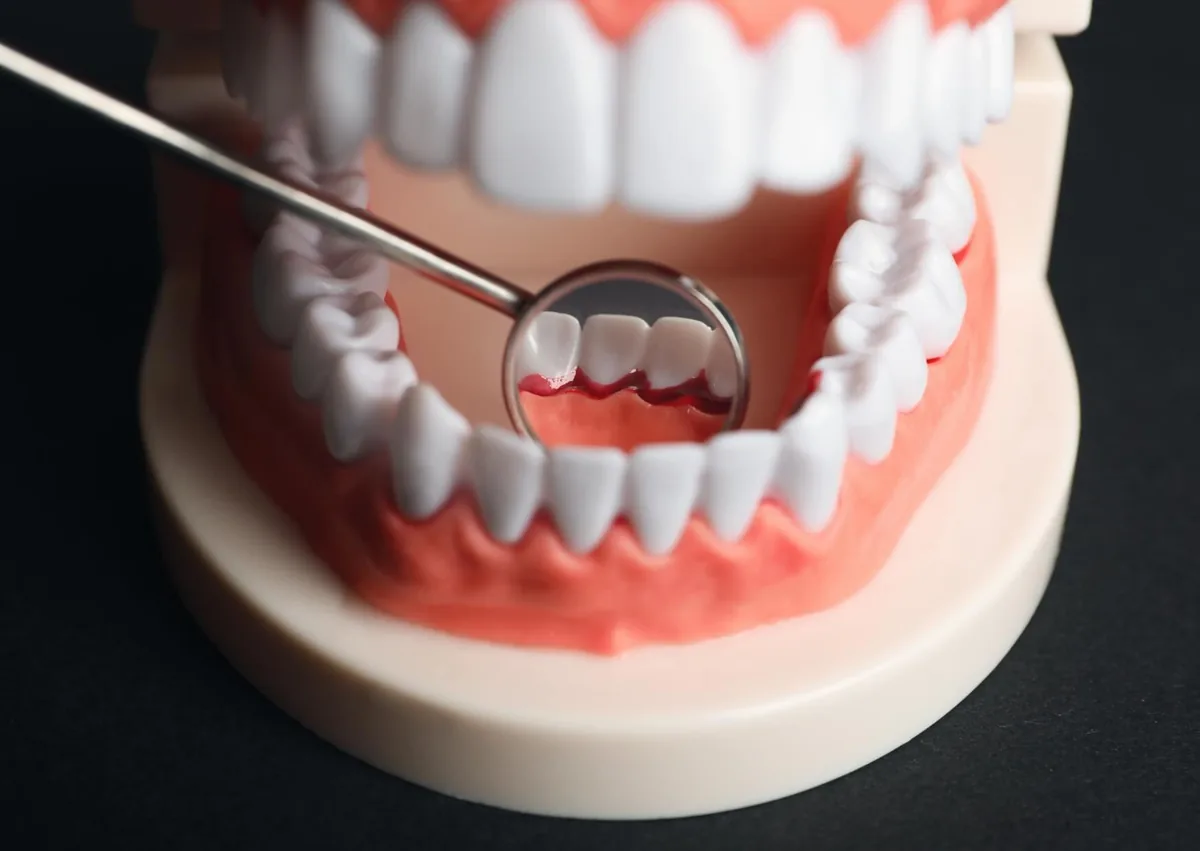
Healthy gum tissue and control of oral disease also matter. Active gum infection, untreated decay, or dental abscesses usually need to be treated before or during implant care.
Smoking or nicotine use, uncontrolled diabetes, severe grinding, certain medications, and some medical conditions can increase implant risks. These factors do not always rule out treatment, but they can change the plan, timeline, maintenance needs, and long-term outlook.
A dentist should also evaluate expectations and your ability to clean around the restoration. Implants do not get cavities, but the surrounding gums and bone can still become infected if plaque is not controlled.
Treatment starts with a medical and dental history, an exam, photos or scans, and diagnostic imaging. The team then decides which teeth can be saved, whether grafting is needed, where implants should go, and what type of temporary and final teeth make sense.
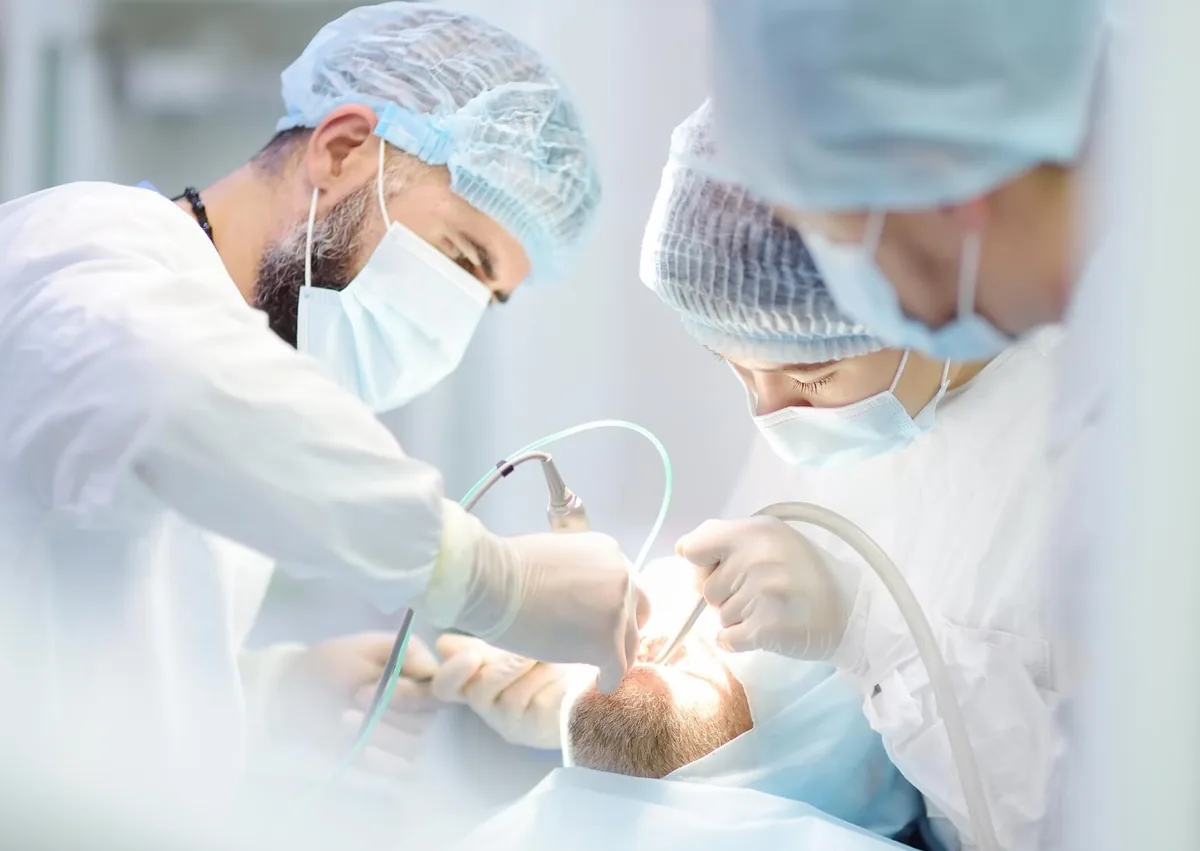
During dental implant surgery, non-restorable teeth may be removed and implants may be placed. Some patients can receive a fixed temporary arch soon after surgery, but “teeth in a day” usually refers to provisional teeth, not the final restoration.
Bone healing around implants, called osseointegration, often takes several months. A straightforward case may reach final teeth in about three to six months, while grafting, slower healing, or staged treatment can extend the process to nine months or longer.
After healing, the dentist checks implant stability, bite, appearance, speech, and tissue contours before delivering the final prosthesis. Small adjustments are common as the bite and muscles adapt.
Swelling, bruising, soreness, and minor bleeding are common after implant surgery and often improve over the first several days. Follow your treating clinician’s instructions for diet, activity, oral hygiene, and temporary restoration use. For recovery ideas, see soft foods after surgery.
Possible complications include infection, poor healing, implant failure, altered sensation, sinus complications, prosthesis fracture, loose components, and inflammation around implants. No ethical clinician can promise implants will last for life, even though well-planned treatment can provide durable function for many years.
Daily care usually includes brushing and cleaning under the restoration with tools recommended for its design. Professional maintenance visits help the dental team monitor the gums, bone, bite, implants, screws, and prosthesis before small issues become larger repairs.
Contact the treating office if you have worsening pain or swelling, persistent bleeding, pus, fever, a loose temporary restoration, or a bite that suddenly feels different. Seek urgent medical care for trouble breathing or swallowing, rapidly spreading swelling, confusion, or uncontrolled bleeding.
Dental insurance may help with parts of treatment such as extractions, imaging, dentures, or other related services, but many plans limit or exclude implant coverage. Annual maximums are often much lower than the total cost, and medical insurance applies only in limited situations.
Before moving forward, ask whether the estimate covers one arch or both arches, all implants, surgery, sedation, grafting, temporary teeth, final teeth, adjustments, and follow-up visits. Also ask who manages complications and what future maintenance, repairs, or replacement parts may cost.
Financing can spread payments over time, but the total cost still matters. Compare complete treatment plans rather than headline prices, because two quotes may include very different materials and services.
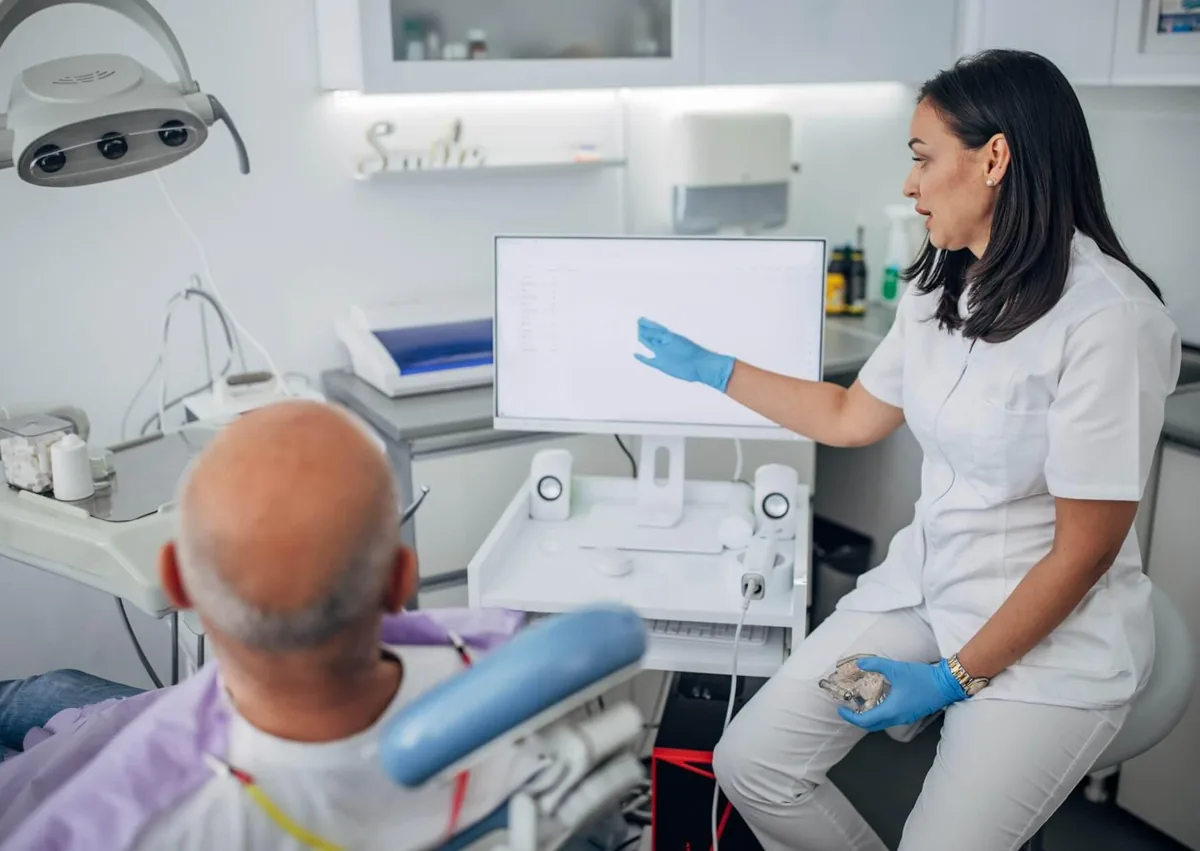
A fixed implant restoration may improve chewing stability, comfort, confidence, and freedom from removable dentures. Implants also transfer chewing forces into the jawbone, although they do not stop all normal age-related or disease-related bone changes.
The limits are just as important to understand. Treatment involves significant cost, surgery, healing time, daily hygiene demands, and the possibility of biological or mechanical complications.
Replacement teeth may wear, chip, loosen, or need replacement over time even when the implants remain healthy. For a broader overview, see dental implants pros and cons.
A consultation makes sense when widespread tooth loss, loose dentures, repeated tooth failure, or difficulty chewing is affecting daily life. A full evaluation can show which teeth are salvageable, whether implants are medically and anatomically reasonable, and which option offers the best balance of function, risk, maintenance, and cost.
Discuss your treatment options and get an itemized estimate to see whether full-arch implants or alternatives are right for you. Call Tabor Dental Associates in Hendersonville about full mouth dental implants at (615) 822-3200 or request a visit online to review costs, timelines, and next steps.
A broad U.S. estimate is about $40,000 to $90,000 or more for upper and lower fixed implant restorations. Complex surgery, grafting, premium materials, anesthesia, and regional pricing can increase the total.
Some ads refer to one arch, a temporary prosthesis, or only the surgical phase. Confirm whether the quoted price includes extractions, imaging, implants, sedation, temporary teeth, final teeth, and follow-up care.
Implants and temporary teeth can sometimes be placed on the same day. Healing and bone integration still take months, and the final restoration is usually made after that healing period.
Coverage varies widely, and many dental plans exclude implants or pay only up to a limited annual maximum. A benefits review and pre-treatment estimate can help clarify expected coverage, but they are not guarantees of payment.
Implants can function for many years, but longevity depends on health, smoking status, hygiene, bite forces, and maintenance. The prosthetic teeth and components may need repair or replacement sooner than the implants themselves. For more detail, see how long dental implants last.