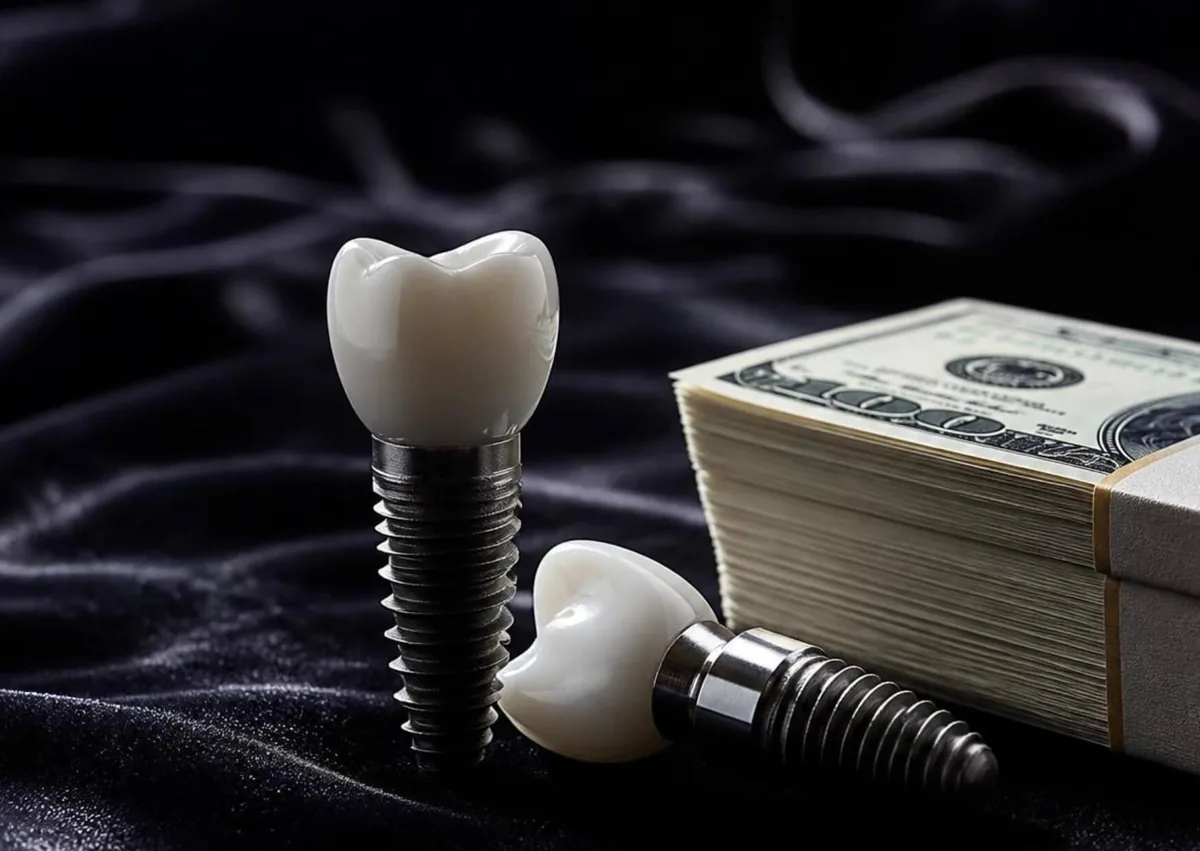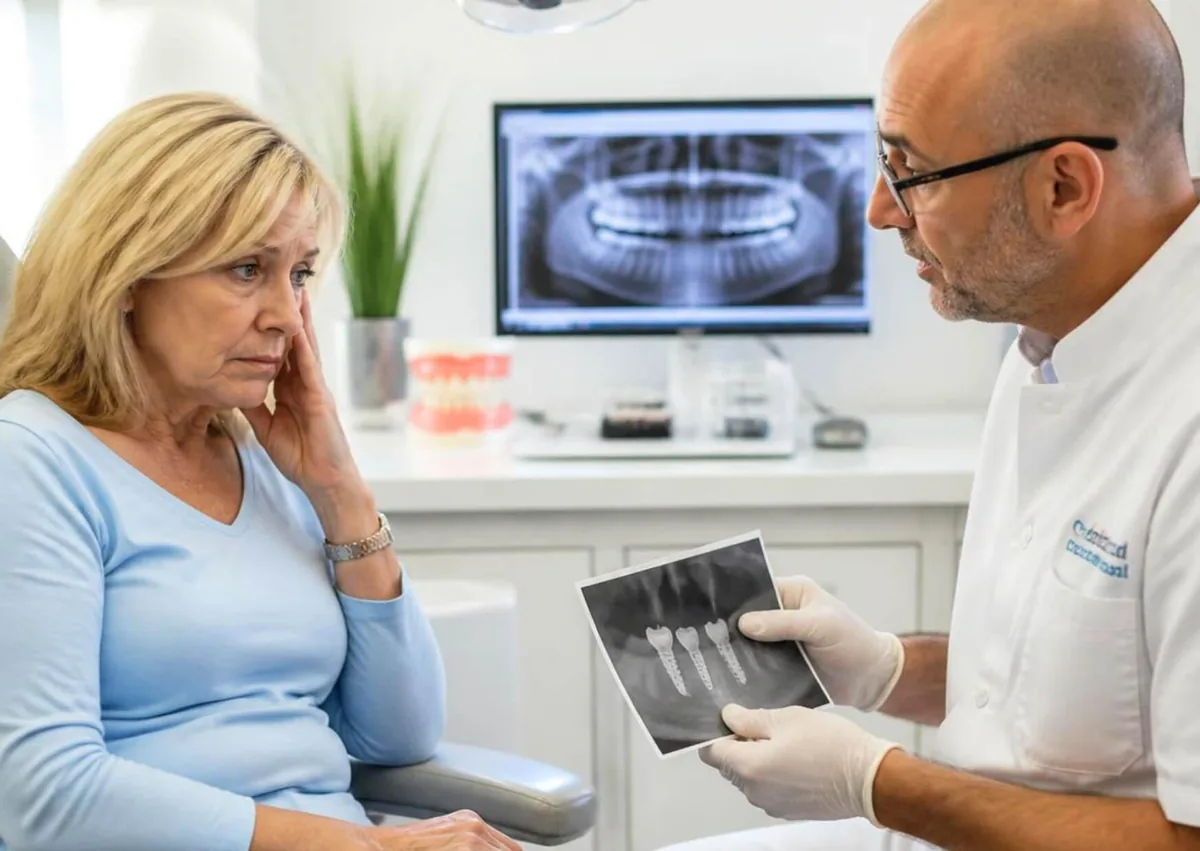
A missing tooth can feel like a small gap at first, then slowly become something larger. Chewing changes. Smiling becomes more deliberate. For many patients, the first surprise is not the space in the mouth, but the wide range of prices they hear when asking about the cost of dental implants.
That price range is not random. An implant is not a single product taken off a shelf. It is a treatment process that may involve imaging, planning, surgery, healing, and a final replacement tooth. The real question is often not just, “How much does a dental implant cost?” but “What exactly am I being quoted for, and why does one estimate look so different from another?”
For many patients, the investigation starts after a tooth has already been lost to decay, fracture, gum disease, or a failed root canal. Others are dealing with an older bridge that is failing or a denture that moves too much while eating. In each of these situations, implants may be presented as a stable, long-term option, but the financial side can feel unclear unless the treatment is broken down carefully.
At Tabor Dental Associates, patients in Hendersonville, TN, and nearby areas can learn more about dental implant options through a comprehensive evaluation that helps clarify treatment needs, expected costs, and long-term goals.
Dental implant fees vary because treatment is made up of several parts, and not every patient needs the same sequence of care. One office may quote only the surgical implant itself, while another may include the implant post, the connector piece called an abutment, the final crown, imaging, and follow-up visits. Without that detail, comparisons can be misleading.
Location also matters. Fees in a major city, a suburban surgical center, or a smaller regional practice may differ because of rent, staffing, equipment, and laboratory costs. A case handled by a general dentist with additional implant training may also be priced differently from one coordinated between a surgeon and a restorative dentist.
The condition of the mouth is another major factor. If the bone has shrunk after a tooth has been missing for a long time, or if gum disease has damaged support around nearby teeth, extra treatment may be needed before an implant can be placed safely. That can raise the total, but it may also reduce the risk of complications or failure.
One of the biggest reasons quotes differ is how complete the treatment plan is from the start. A lower fee can look appealing until it becomes clear that the estimate did not include imaging, temporary restorations, bone grafting, or the final crown. A higher quote may reflect a more complete and safer plan rather than a more expensive implant alone.
When patients compare estimates, it helps to separate treatment into stages. A single implant case often includes a consultation, diagnostic imaging such as a 3D cone beam scan, surgical placement of the implant, a healing period, placement of the abutment, and fabrication of the final crown.
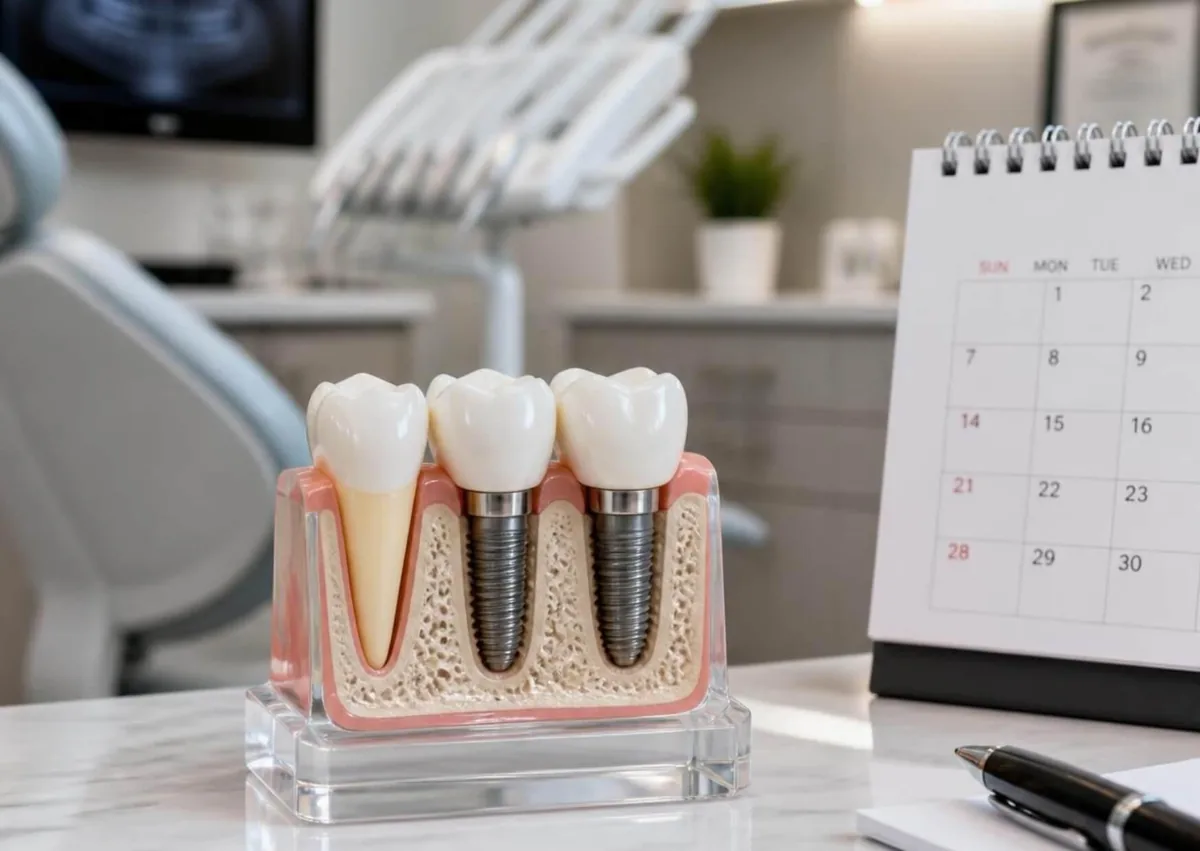
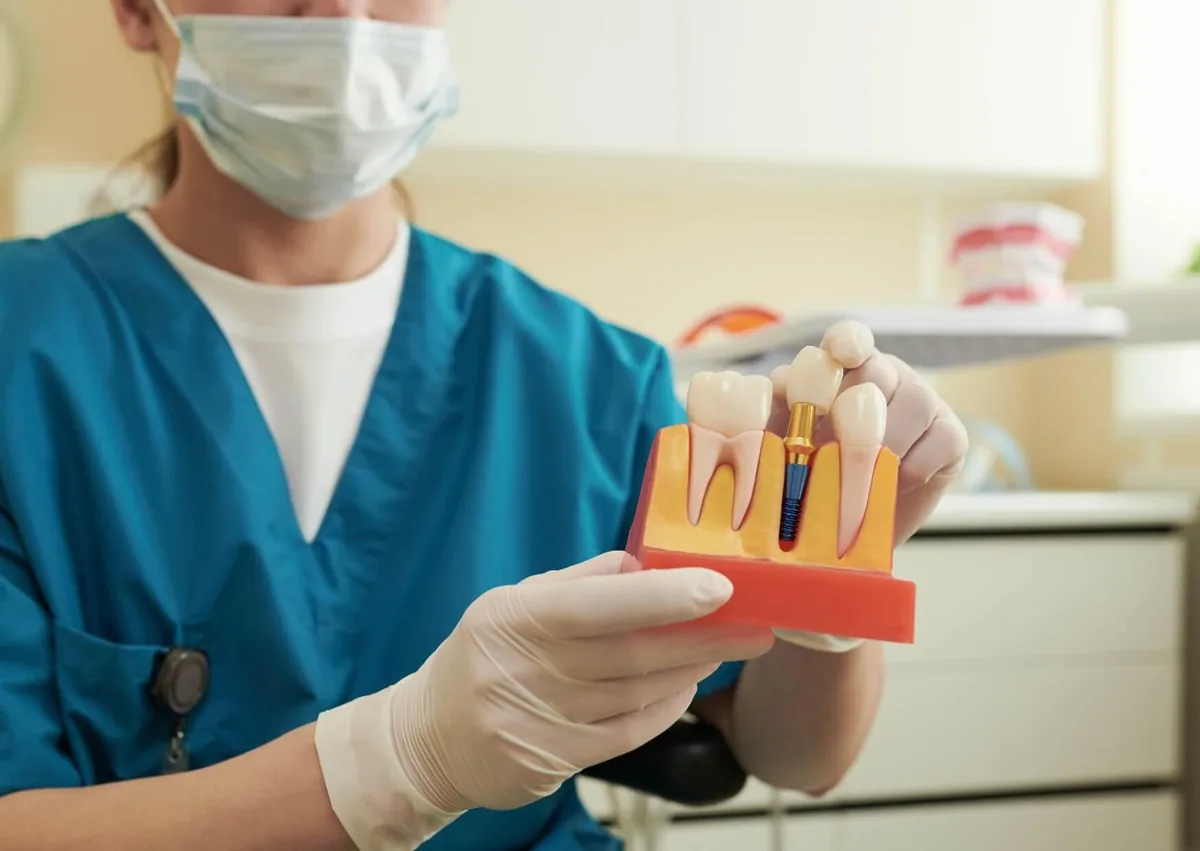
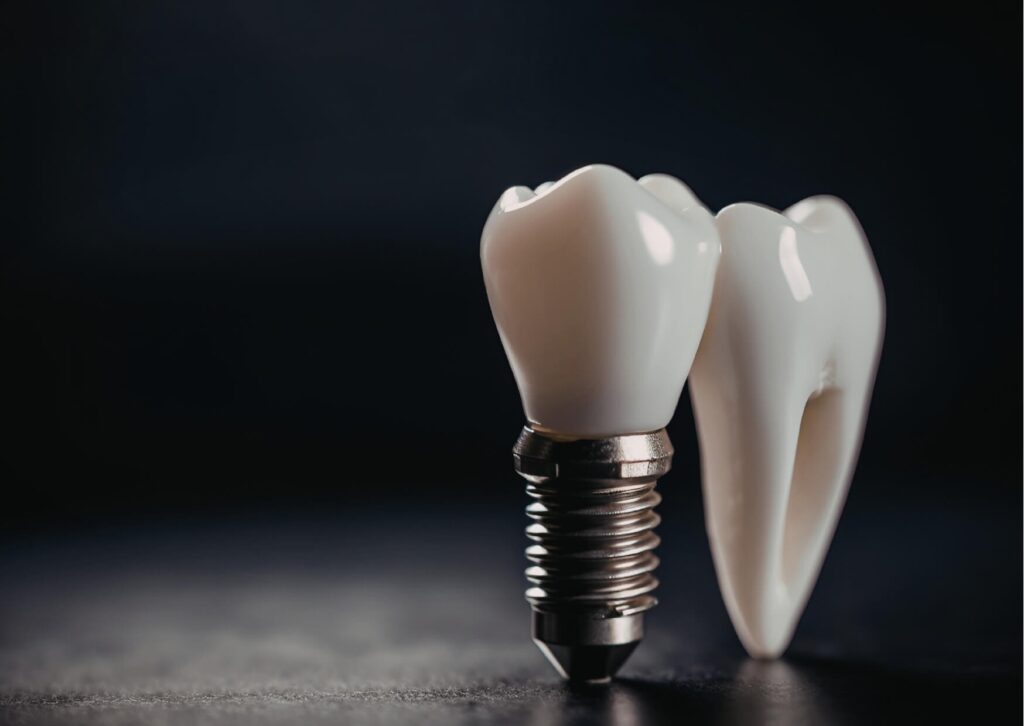
The implant itself is a titanium or ceramic post placed into the jawbone to act like an artificial tooth root. The abutment connects that post to the visible replacement tooth. The crown is the part that looks and functions like a natural tooth. If a quote mentions only one of those parts, it may not reflect the total cost of treatment.
Some offices bundle these services into one global fee. Others itemize every step. Neither approach is inherently wrong, but itemization often makes it easier to understand what could change later.
| Common Cost Component | What It Means |
| Consultation and exam | Review of dental history, mouth condition, and treatment options |
| 3D imaging | Detailed scan used to assess bone, nerves, and implant position |
| Implant placement | Surgical insertion of the implant post into the jawbone |
| Abutment | Connector between the implant and final crown |
| Crown or implant tooth | The visible replacement tooth made by a dental lab |
| Follow-up visits | Healing checks, impressions, and final fitting |
A careful office should be able to explain which of these are included, which are estimated separately, and which may depend on healing. Questions about the surgical stage are reasonable, since implant surgery often includes imaging, clinical time, and follow-up that affect cost.
One of the most common reasons the cost of dental implants increases is that the jaw and gums are not always ready for immediate placement. Tooth loss often leads to bone resorption, meaning the body gradually removes bone from the area where the root used to be. If too much support has been lost, bone grafting may be recommended before or during implant treatment.
A bone graft is used to rebuild or preserve bone volume. In the upper back jaw, some patients also need a sinus lift, which creates space for bone below the sinus cavity so an implant can be supported. These are common procedures, and research on bone grafting helps explain why they can add time, cost, and healing stages to treatment.
Tooth extraction can also affect the total. If a damaged tooth must be removed first, that procedure may be billed separately unless it is clearly included in the treatment plan. Temporary teeth, sedation, tissue grafting, or replacement of an old bridge can also change the estimate.
This is one of the ethical pressure points in implant dentistry. Patients understandably want a simple number. Dentists, if they are being responsible, often cannot give a final total until imaging and examination show whether grafting or sinus lift procedures are needed. A precise quote before proper evaluation may sound reassuring, but it is not always reliable.
Not all implant treatment is built the same way. Replacing one front tooth, restoring several missing teeth, and stabilizing a full denture involve different materials, planning demands, and laboratory work.
A single implant with one crown is often the situation patients imagine first. Even then, the cost can vary based on the tooth position, bone quality, cosmetic demands, and whether the site is visible when smiling. Front teeth often require more attention to gum contour and esthetics.
If multiple teeth are missing, the plan may involve several individual implants or an implant-supported bridge. An implant-supported bridge uses implants as anchors for several connected teeth. This can sometimes reduce the number of implants needed, but the restorative design becomes more complex.
For patients who have a full denture that slips or lifts, implants can be used to improve retention. Some dentures snap onto a small number of implants, while others are fixed in place and removed only by a dentist. These options can improve chewing and confidence, but the cost range is broad because the number of implants, attachment system, and prosthetic design all matter.
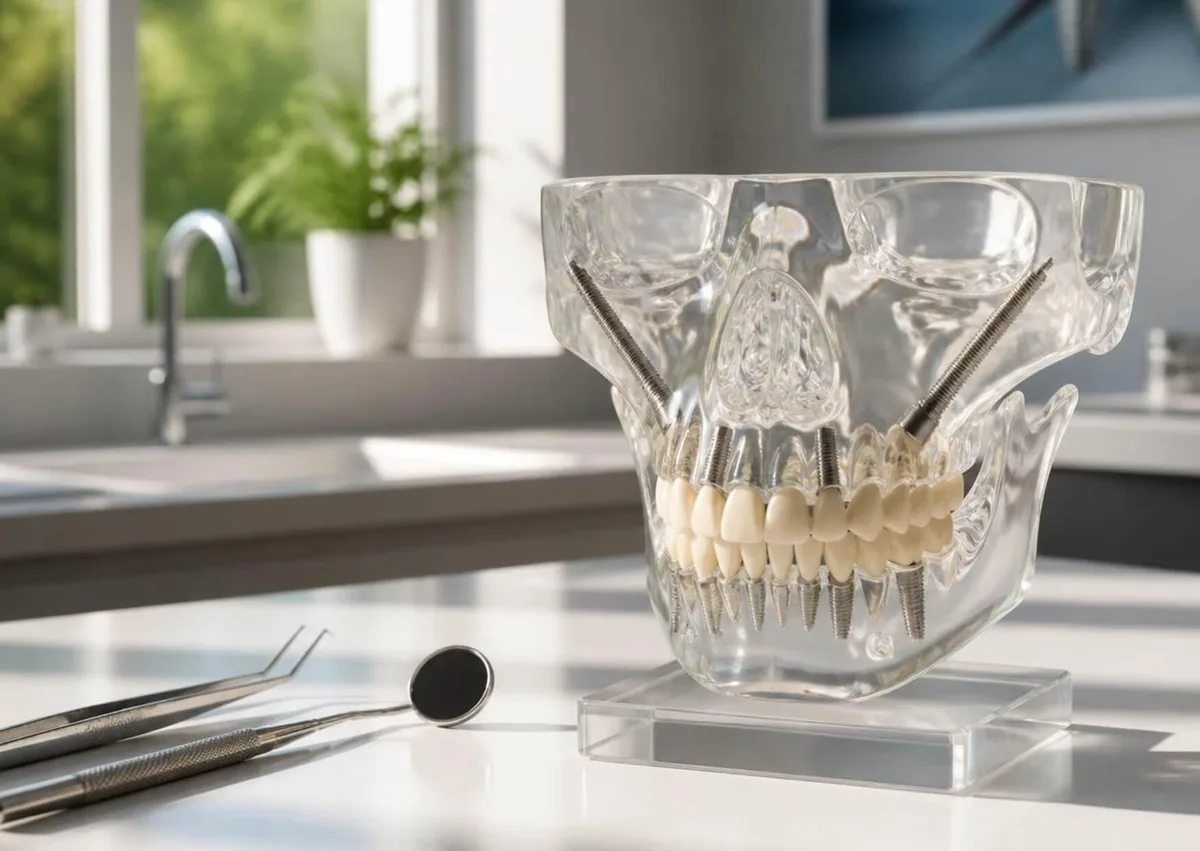
For patients considering an implant-supported denture or a fixed arch, options such as full-mouth implants use a limited number of implants to support a full set of replacement teeth and change the cost structure and timeline.
Families often weigh these decisions together, especially for older adults who are struggling to eat comfortably. The conversation is rarely only about teeth. It is also about nutrition, social confidence, speech, and whether the investment will make daily life easier in a lasting way.
Whether dental implants are worth the cost depends on the condition being treated, the alternatives, and the patient’s priorities. Implants may help preserve chewing function and can reduce the need to grind down neighboring teeth, which is often required for a traditional bridge. They may also help maintain bone in the area, although bone changes can still occur over time.
That said, implants are not automatically the best answer for every missing tooth. A bridge, removable partial denture, or full denture may be more appropriate in some cases because of anatomy, medical history, budget, or treatment goals. A lower upfront cost can be reasonable if it matches the clinical situation and the patient understands the tradeoffs.
The strongest argument for implants is usually long-term function, not marketing language. A well-planned implant can serve for many years, but it still requires healthy gums, good cleaning habits, and regular dental maintenance. An implant is not immune to complications. Inflammation around implants, often discussed as peri-implantitis, can occur if plaque control is poor or if the restoration is difficult to clean.
In practical terms, value comes from fit, planning, and follow-through. A low-cost implant that fails is expensive in the long run. A carefully executed implant that remains stable and comfortable may justify a higher fee.

A good implant consultation should leave fewer mysteries, not more. Patients should feel comfortable asking for a written estimate and a plain-language explanation of each phase.
Useful questions include:
It is also reasonable to ask about the implant system being used and why it was chosen. That does not mean patients need to become experts in implant brands. It means the office should be able to explain its choices clearly and consistently.
If an estimate is dramatically lower than others, ask what is not included. If a quote is dramatically higher, ask what additional planning, materials, or specialist involvement explains the difference. A detailed written treatment plan is often the best protection against confusion later.
If you would like a clear, written estimate for dental implants, call Tabor Dental Associates at (615) 822-3200 to schedule a consultation. We serve patients from nearby Nashville and Goodlettsville and can explain expected costs, whether grafting is likely, and any available same-day openings.
Dental insurance coverage for implants varies widely. Some plans contribute to part of the restoration, such as the crown, while others may exclude implants altogether or apply annual maximums that cover only a fraction of treatment. Medical insurance may occasionally play a role in unusual cases involving trauma, pathology, or reconstructive needs, but that is not the norm.
Because of these limits, many patients pay a substantial portion out of pocket. Offices may offer phased treatment, payment plans, or third-party financing. Those options can make care more accessible, but the total financial commitment should still be reviewed carefully.
This is where families often feel the tension most sharply. One option may be clinically ideal but financially difficult. Another may be more affordable now but less stable over time. A responsible discussion should acknowledge both realities without pressure.
If cost is the main barrier, ask whether treatment can be staged safely. In some cases, a dentist may be able to prioritize disease control, extraction of a non-restorable tooth, or temporary replacement first, then revisit implant placement later when conditions are better aligned.
Price matters, but certain symptoms deserve prompt dental evaluation before any discussion centers on implants alone. Persistent swelling, drainage with a bad taste, fever, facial spreading pain, loose teeth, numbness, or bleeding that does not settle may signal infection or another urgent problem. Severe pain after trauma or a rapidly changing mouth lesion should also be assessed without delay.
A missing tooth does not always need immediate implant placement, but the surrounding condition does matter. Active gum disease, untreated decay, smoking-related tissue changes, uncontrolled medical issues, or jawbone problems can affect timing and success. A careful dentist will usually focus first on stabilizing oral health.
This is an important distinction. General education can help patients understand the cost of dental implants, but only an in-person exam can determine whether an implant is appropriate, when it should be placed, and what preparatory care may be needed.
The cost of dental implants is only one part of the decision-making process. Understanding what is included in treatment, whether additional procedures are necessary, and how an implant fits your long-term oral health goals can help you make a more informed choice. While prices vary from patient to patient, a thorough evaluation provides the clearest picture of what to expect.
If you're considering dental implants, contact Tabor Dental Associates to schedule a consultation and receive a detailed treatment estimate. Our team can explain your options, discuss factors affecting the cost of dental implants, and help you determine the right path forward for your smile. Call (615) 822-3200 today to get started.
The total can vary widely depending on location, imaging, the surgeon’s role, the final crown, and whether extra procedures such as grafting are needed. The most useful question is what the estimate includes, not just the number itself.
A lower quote may exclude the abutment, crown, 3D scan, sedation, grafting, or follow-up care. It may also reflect differences in case complexity or who is providing treatment.
Sometimes partially, but many plans have limited implant benefits or annual maximums that leave a large out-of-pocket balance. Coverage details should be confirmed before treatment begins.
In some cases, yes. In others, healing time or grafting is recommended first because of infection, bone loss, or soft tissue concerns.
They often have a higher upfront cost than a traditional bridge. However, the comparison should include long-term maintenance, the condition of neighboring teeth, and how each option fits the mouth.
Seek prompt care for significant swelling, pus or drainage, fever, severe or worsening pain, facial trauma, numbness, or a loose restoration causing injury. Those situations need evaluation, not just cost comparison.