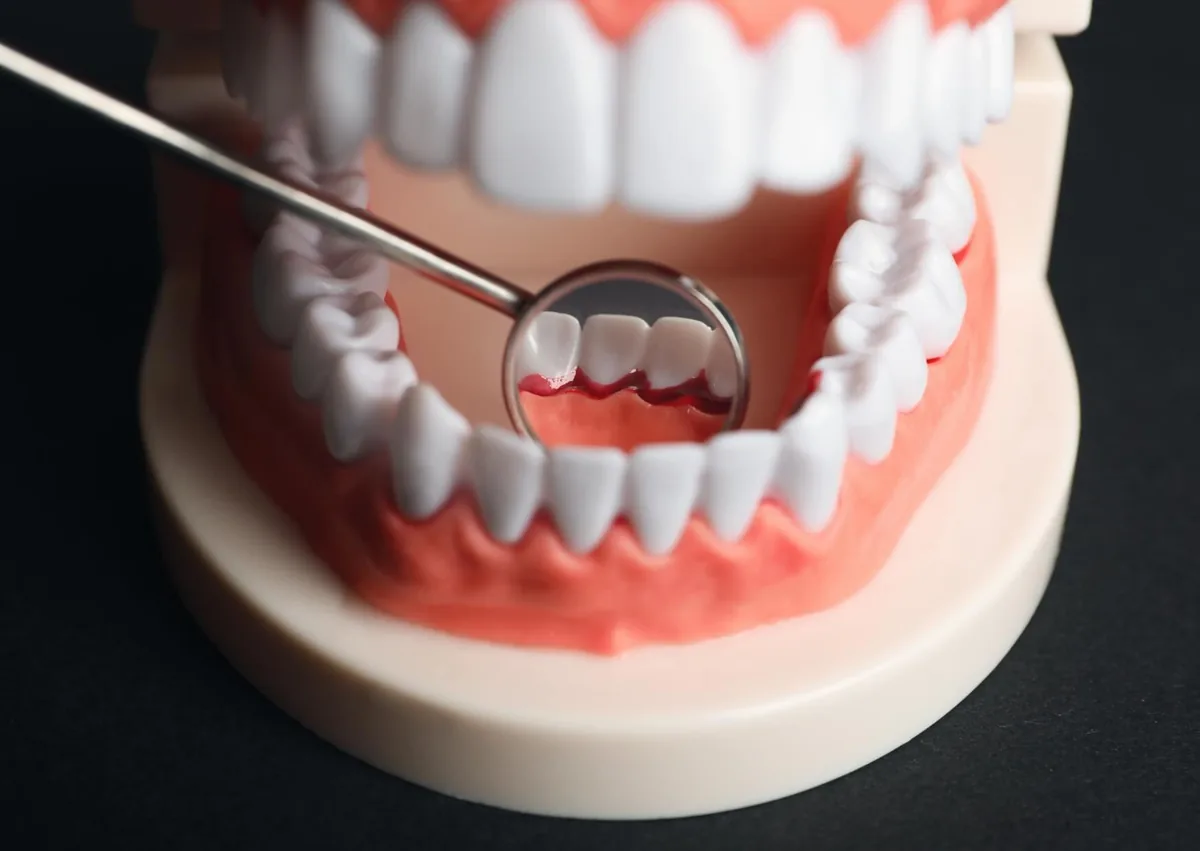
After wisdom teeth removal, eat cool or lukewarm liquids and very soft foods that need little or no chewing. Good early choices include yogurt, applesauce, pudding, and smooth mashed potatoes, while straws and foods that are hot, hard, crunchy, sticky, spicy, acidic, or full of small particles should be avoided.
If you're preparing for or recovering from wisdom teeth removal, understanding when to escalate care to a tooth extractions specialist can make recovery safer and more comfortable. Tabor Dental Associates in Hendersonville, TN helps patients with procedural planning and recovery guidance to reduce complications and improve healing.
Your body needs fluids, calories, and protein to heal, but texture matters just as much as nutrition during the first week. Start with liquids and spoon-soft foods, then add foods that need gentle chewing only as pain, swelling, and jaw stiffness improve.
|
Recovery Stage |
Foods That Are Often Appropriate |
Foods to Keep Avoiding |
|---|---|---|
|
First 24 hours |
Water from a cup, yogurt, applesauce, pudding, gelatin, smooth blended soup served cool or lukewarm |
Hot foods, straws, alcohol, crunchy foods |
|
Days 2 to 3 |
Mashed potatoes, oatmeal cooled to lukewarm, scrambled eggs, cottage cheese, avocado, smooth hummus |
Chips, nuts, seeds, popcorn, spicy or acidic foods |
|
Days 4 to 7 |
Soft pasta, flaky fish, soft-cooked vegetables, tender shredded meat, soft bread without a hard crust |
Hard crusts, chewy meat, sticky candy, sharp foods |
|
After about 1 week |
Gradual return to normal textures if chewing is comfortable and healing is progressing |
Anything that causes pain or becomes trapped near the sites |
This timeline is a general guide, not a fixed deadline. If you had impacted wisdom teeth removed, multiple surgical sites, or a harder recovery, you may need soft foods longer.
A blood clot forms in each socket after a tooth is removed. That clot protects the bone and nerves underneath while the area starts to heal.
Anything that creates suction, heat, or friction can disturb that clot. That is why straws, smoking, vaping, forceful spitting, and vigorous rinsing are commonly restricted during early recovery.
If the clot is lost too soon, dry socket can develop. This can cause significant pain and often needs professional evaluation.
Food particles can also collect around the surgical area, especially after lower wisdom tooth removal. Small, hard pieces are harder to clear safely and can irritate healing tissue.
Choose foods that are smooth, moist, and easy to swallow. For more ideas, see soft foods.
Good options include:
Protein helps support tissue repair and can make meals more filling. Eggs, dairy products, tofu, blended beans, and soft fish are often easier ways to get protein without stressing the jaw.
Smoothies can also work if they do not contain seeds, hard pieces, or irritating ingredients. Use a spoon or drink from a cup rather than a straw.
Hard, sharp, or crunchy foods can scrape the surgical area. Chewy foods can also strain a sore or stiff jaw.
Avoid chips, pretzels, nuts, popcorn, hard taco shells, raw vegetables, tough meat, crusty bread, and sticky candy until chewing feels comfortable. It is also smart to avoid seeds, rice, quinoa, and granola early on because small particles can lodge near the sockets.
Very hot foods and drinks may increase discomfort and can encourage bleeding during the first part of recovery. Spicy, acidic, carbonated, and alcoholic drinks may also irritate the area or conflict with medication instructions.
Take small bites and eat slowly. If possible, chew away from the surgical area and stop if a food causes throbbing, renewed bleeding, or sharp pain.
Do not probe the sockets with your finger, a utensil, a toothpick, or a toothbrush. During the first 24 hours, avoid forceful rinsing or spitting unless your clinician told you otherwise.
After that, many patients are told to use gentle saltwater rinses after meals. Follow the timing and technique in your postoperative instructions, since recommendations can vary.
Drink frequent sips of water from a cup to stay hydrated. If nausea, pain, or swelling makes it hard to drink or eat enough, contact the dental office.
Many people start adding more substantial soft foods within a few days. A return to regular foods often happens around one week, but the exact timing depends on pain, swelling, jaw movement, and how complex the extraction was.
Add texture gradually instead of jumping straight to a crunchy or chewy meal. If chewing causes more pain or bleeding, go back to softer foods and check with the treating office if the problem continues.
Even when the gums feel better, the sockets may still be healing. Continue cleaning the area carefully and follow your dentist's instructions until they say normal eating and care are fully appropriate.
Swelling and discomfort often peak during the first two to three days and then begin to improve. Mild jaw stiffness, bruising, and light blood-tinged saliva can be normal, but symptoms should generally trend in the right direction.
Call your dentist or oral surgeon if pain becomes severe, gets worse after initial improvement, or comes with a bad taste or odor. Persistent bleeding, fever, pus, worsening facial swelling, or trouble opening the mouth also deserve prompt attention.
These symptoms may point to dry socket, infection, or another complication. For urgent concerns such as uncontrolled bleeding, rapidly increasing swelling, or severe pain, seek emergency dentistry for prompt care.
Seek urgent medical care right away for trouble breathing or swallowing, rapidly expanding swelling, uncontrolled bleeding, confusion, or signs of a serious allergic reaction. Persistent numbness or an inability to keep fluids down also warrants timely professional advice.
Food guidance helps support healing, but it does not replace an exam when recovery is not going as expected. If you are unsure whether your healing is normal, ask for individualized advice.
If you notice worsening pain, heavy bleeding, signs of infection, or anything that limits eating and hydration, contact a tooth extractions provider right away for urgent assessment and treatment. Call Tabor Dental Associates for tooth extractions in Hendersonville, TN at (615) 822-3200 to speak with a team member or to arrange timely care.
Smooth ice cream may feel soothing if cold does not trigger sensitivity. Avoid cones, nuts, candy pieces, and other hard mix-ins.
Some people can handle soft solid foods like eggs or tender pasta within a few days. Hard, crunchy, or chewy foods should wait until chewing is comfortable and your clinician says it is safe.
Avoid very hot coffee early in recovery because heat may increase discomfort or bleeding. When your clinician says it is okay, drink it lukewarm from a cup rather than through a straw.
Start with foods that need almost no chewing, such as yogurt, pudding, smooth purees, and mashed vegetables. Since chewing on the opposite side may not be practical, move forward more cautiously and follow your surgeon's instructions closely.
Your dentist or oral surgeon should give you the exact timeframe. In general, avoid straws during early healing because suction can disturb the protective blood clot.