Yes, dental implants can be removed when necessary, but removal is a surgical procedure that should be handled by a qualified dentist, periodontist, or oral surgeon. Whether the area can later receive another implant depends on the reason for failure, available bone, and whether infection or other conditions need treatment first.
Most implants are designed to stay in place for many years. If the visible tooth is worn, chipped, or unattractive, the crown can often be repaired or replaced without removing a healthy implant fixture. Learn more about dental implant failure and how long implants last.
If you've decided to replace a removed implant, dental implant surgery can restore function and appearance with predictable long-term support. Tabor Dental Associates in Hendersonville, TN helps patients evaluate options and plan replacement care that minimizes additional bone loss and restores chewing comfort.
A dental implant may need to be removed if it never bonds securely with the jawbone. This early failure of osseointegration can be linked to infection, poor initial stability, healing problems, excess bite pressure, or patient health factors.
A previously stable implant can also fail later because of peri-implantitis. This is an inflammatory infection that causes bone loss around the implant and may require gum disease treatment as part of care.
Other reasons for removal include implant fracture, severe malposition, persistent pain, or damage that cannot be repaired predictably. Not every implant problem means the implant itself must come out. A loose crown, damaged screw, irritated gum tissue, or bite issue may sometimes be treated while keeping the fixture in place.
The goal during removal is to preserve as much bone and gum tissue as possible. If the implant is already loose or has limited bone attachment, the dentist may be able to reverse it out with controlled force using specialized instruments.
If the implant is fully integrated, removal may require taking away a small amount of surrounding bone. The exact approach depends on the implant's size, design, position, stability, and closeness to structures such as the sinus or lower-jaw nerves.
No removal method is completely risk-free. Possible complications can include bleeding, infection, gum recession, bone loss, sinus involvement in the upper jaw, and temporary or, rarely, lasting changes in sensation.
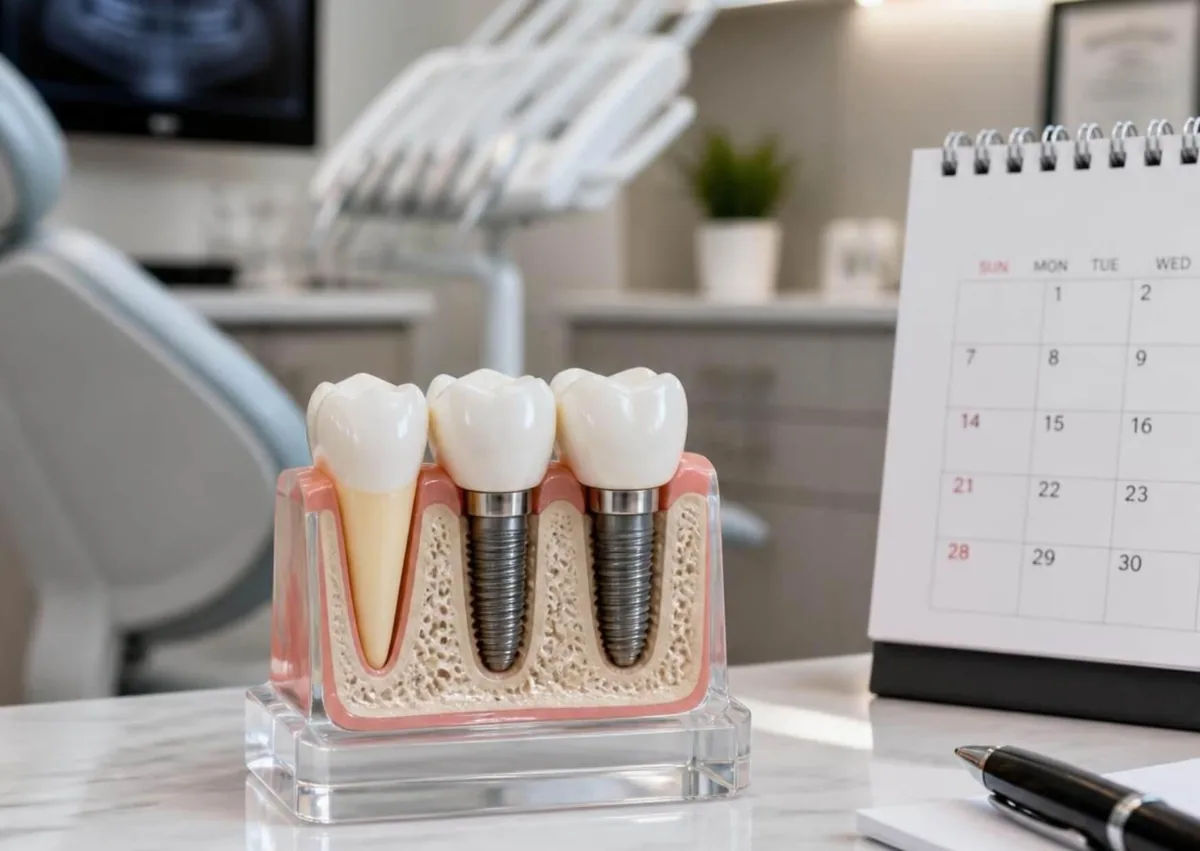
A dental implant has three main parts: the fixture in the bone, the abutment, and the crown or bridge above the gums. Damage or movement in the upper parts does not always mean the implant fixture has failed.
Your dentist can use an exam and imaging to identify which part is causing the problem. That distinction matters because many issues can be corrected without removing the implant.
|
Finding |
Possible Treatment |
Implant Removal Likely? |
|---|---|---|
|
Loose or chipped crown |
Repair or replace the crown |
Usually not |
|
Loose connecting screw |
Tighten or replace components |
Usually not |
|
Inflamed tissue without major bone loss |
Professional cleaning and condition-specific care |
Not always |
|
Progressive peri-implant bone loss |
Nonsurgical or surgical treatment, depending on severity |
Sometimes |
|
Fractured fixture or severe mobility |
Remove the implant and treat the site |
Often |
|
Implant in a harmful position |
Restore differently, revise, or remove |
Sometimes |
Often, yes. A removed dental implant can sometimes be replaced, but the decision depends on bone volume, gum health, infection control, bite forces, medical history, smoking or nicotine use, oral hygiene, and why the first implant failed.
Replacement options may include:
Immediate replacement is not always the safest choice. Active infection, major bone loss, thin tissue, or uncertainty about the original failure may make staged treatment more predictable.
The process starts with a clinical exam, review of symptoms and health history, and imaging. The dentist checks mobility, gum pocket depth, bone levels, bite contact, restoration fit, and the condition of nearby teeth and anatomy.
Removal is usually done with local anesthesia. Sedation dentistry may also be considered when appropriate.
After the implant is removed, the site is cleaned and evaluated. Depending on conditions, the dentist may close the area for healing, place grafting material, or place another implant the same day.
Do not try to loosen, twist, or remove an implant or restoration at home. That can damage bone, introduce bacteria, fracture parts, or create an urgent dental problem.
Soft tissue often begins healing over the first few weeks. Bone remodeling takes longer, and treatment may extend for several months if grafting or replacement is needed.
The timeline depends on what is done at the time of removal. Some patients only need monitoring, while others need staged rebuilding before another implant can be placed.
|
Treatment Path |
General Sequence |
Typical Planning Consideration |
|---|---|---|
|
Removal only |
Implant removal, soft-tissue healing, monitoring |
Future restoration may not be needed |
|
Immediate replacement |
Removal and new implant during one visit |
Requires suitable bone and infection control |
|
Delayed replacement |
Removal, healing, reassessment, implant placement |
Useful when tissues need recovery |
|
Bone graft and replacement |
Removal, graft healing, implant placement, restoration |
Usually the longest sequence |
Follow your treating clinician's instructions for cleaning, diet, activity, follow-up visits, and use of any temporary restoration. Recovery guidance should be based on the exact procedure performed, not generic online advice.
Long-term success depends on good home care, regular professional exams, and imaging when needed. Patients with a history of gum disease or peri-implantitis may need closer maintenance because prior inflammation can raise future risk.
Controlling diabetes, avoiding tobacco and nicotine, and addressing grinding or an uneven bite can improve treatment conditions. No step can guarantee success, but reducing modifiable risks can make a replacement plan safer and more predictable.
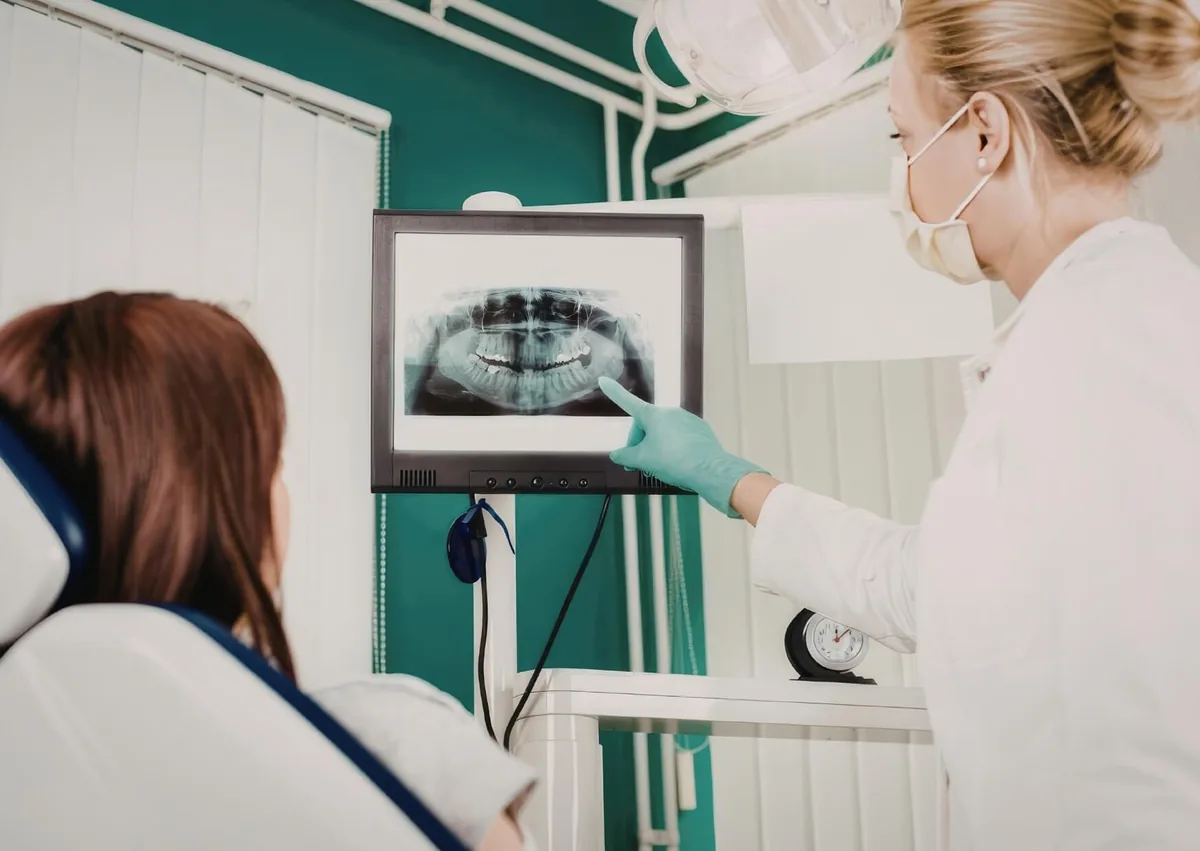
Schedule an evaluation if an implant feels loose, hurts when you bite, bleeds repeatedly, drains fluid, exposes metal, or develops swelling or gum recession. A bad taste, difficulty cleaning around the implant, or a restoration that suddenly changes position also deserves prompt attention.
Seek urgent dental or medical care for rapidly increasing facial swelling, fever with dental swelling, uncontrolled bleeding, trouble swallowing or breathing, or new significant numbness. Severe, worsening, or unclear symptoms should not wait for a routine visit.
An exam can show whether the problem involves the crown, connecting parts, gum tissue, bone, or the implant fixture itself. Early evaluation often preserves more treatment options and may reduce additional tissue loss.
To determine whether you can have a new implant now or after healing, schedule a consultation for dental implant surgery and site preparation tailored to your needs. Call Tabor Dental Associates in Hendersonville, TN at (615) 822-3200 to book an evaluation or request a same-day option.
Local anesthesia is used to prevent pain during the procedure, though you may still notice pressure or vibration. Soreness and swelling afterward depend on how complex the removal is.
Yes. A fully integrated implant can be removed, but it usually requires more surgery than removing a loose implant.
Not always. Sometimes the crown or connecting screw is loose while the implant fixture remains stable, so an exam and imaging are needed before deciding on removal.
Sometimes. Early inflammation or peri-implantitis may respond to professional treatment, but advanced bone loss, persistent infection, or severe mobility may make removal the more predictable option.
Coverage varies by plan, the reason for removal, and whether related procedures such as grafting or replacement are included. Patients can request a written estimate and check benefits, exclusions, waiting periods, and annual limits with the insurer. For general pricing context, see cost of dental implants.