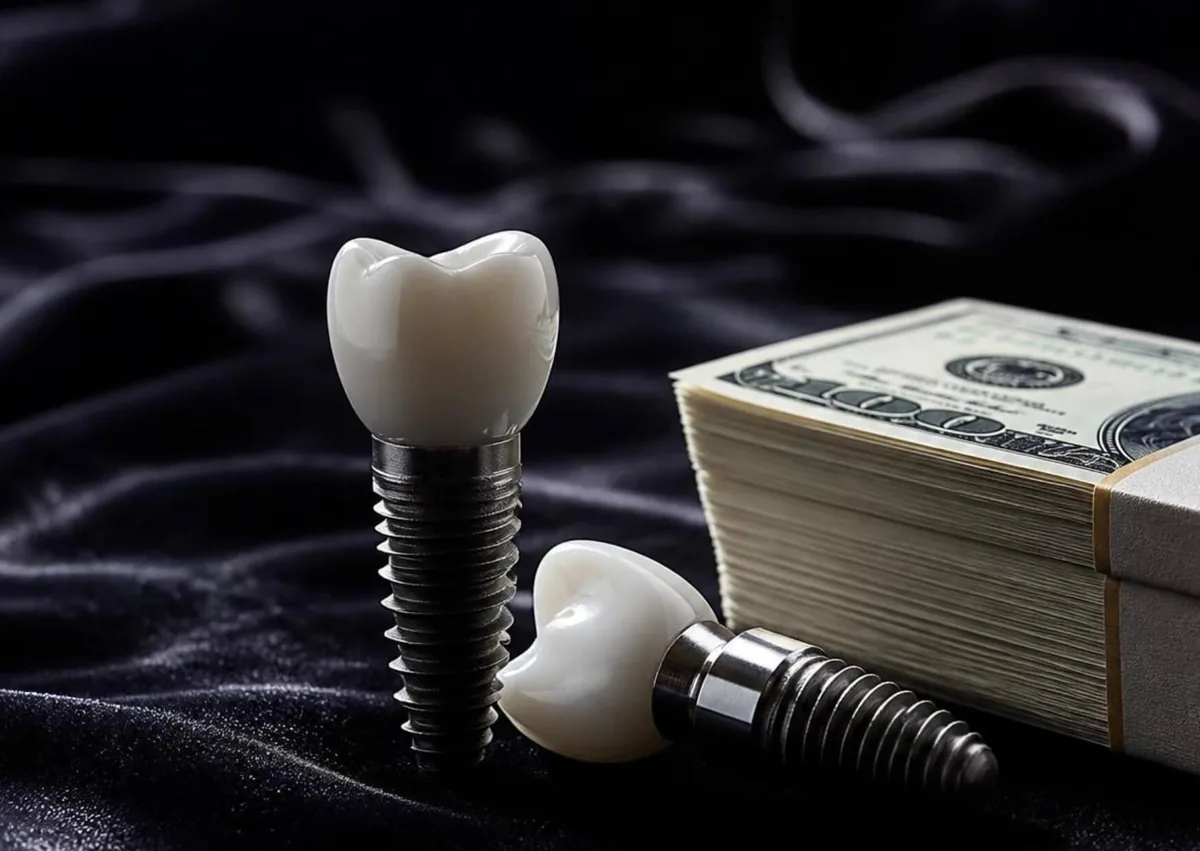
Responsibility for dental implant failure depends on why the implant failed. A dentist or specialist may be responsible if care fell below the accepted standard of care, a manufacturer may be responsible for a defective component, and a patient’s health, habits, or aftercare may contribute in other cases.
Failure by itself does not prove negligence, so determining responsibility usually requires an exam, imaging, treatment records, and sometimes an independent clinical or legal review.
If you're dealing with a failed implant or wondering whether removal and replacement are the right next steps, a focused dental implant surgery evaluation can clarify what happened and what treatment is realistic. Tabor Dental Associates in Hendersonville, TN helps patients understand repair, grafting, replacement, and expected healing with a clinically grounded plan.
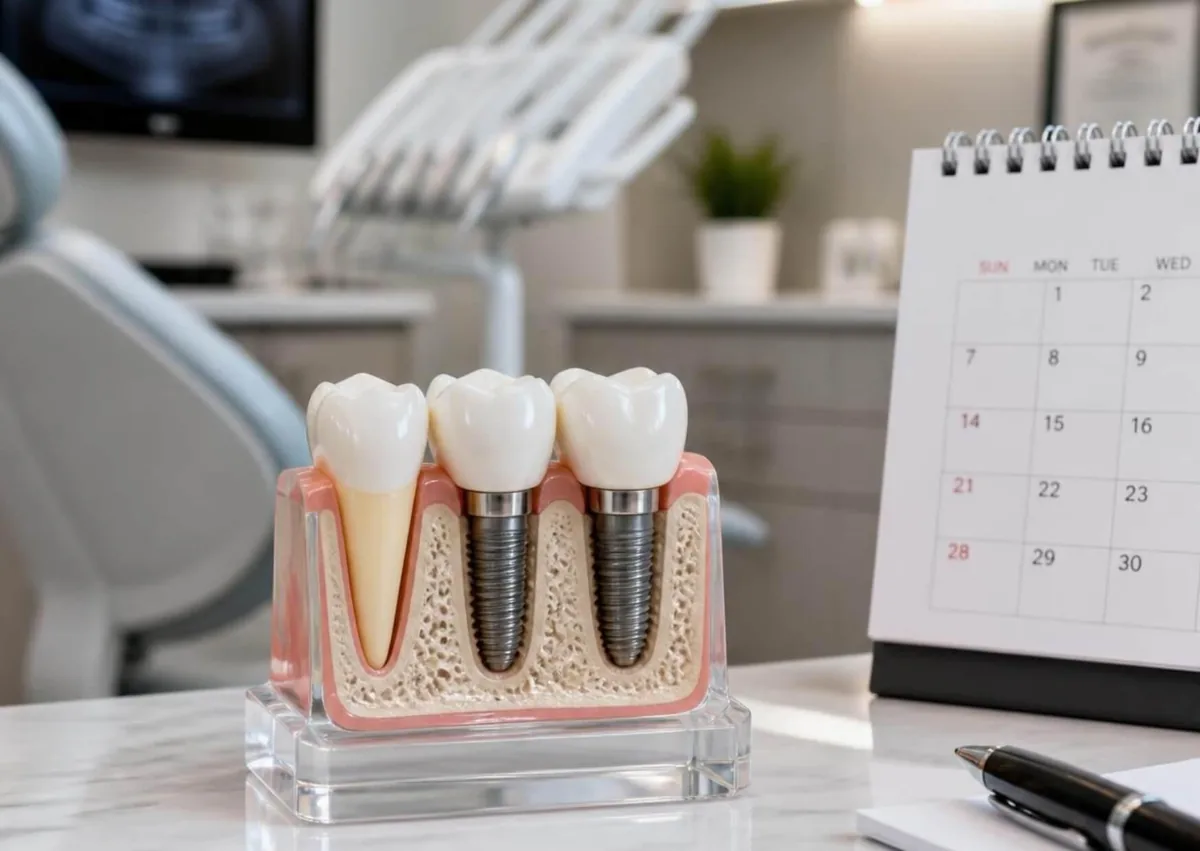
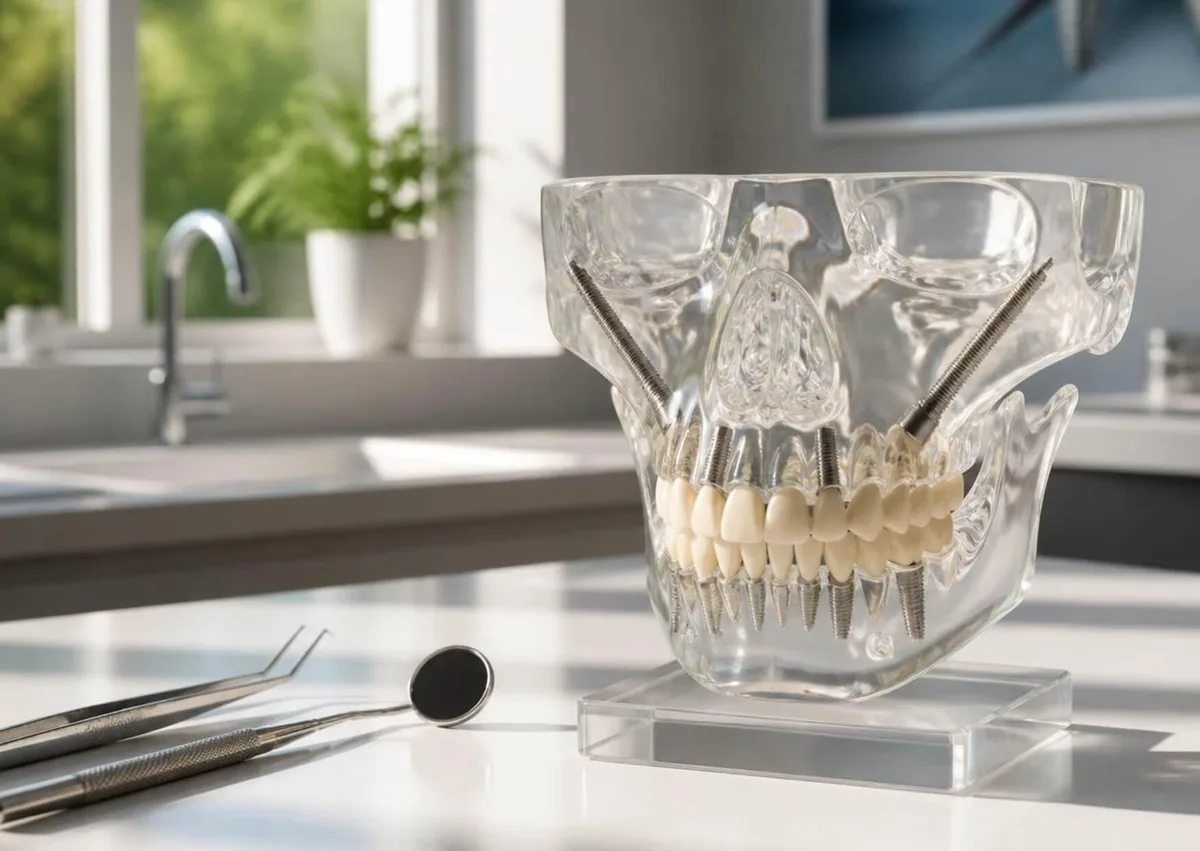
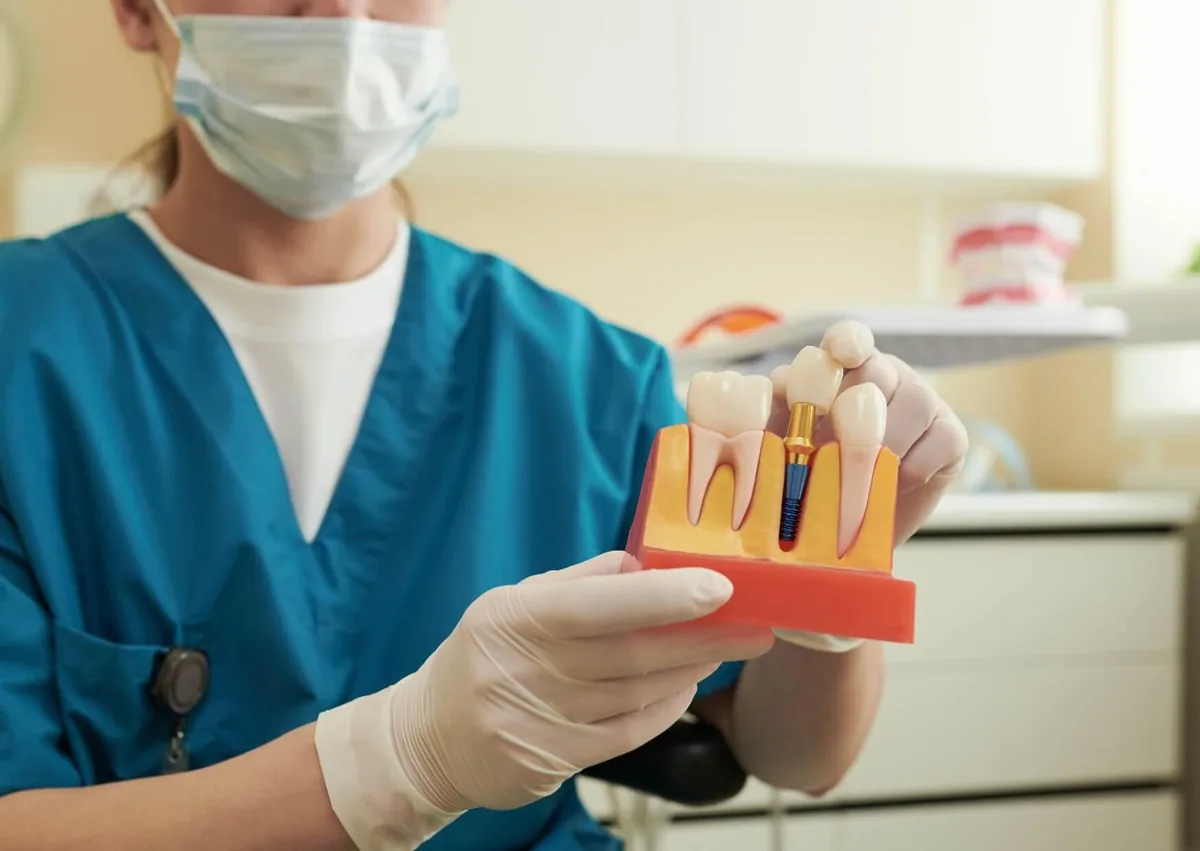
A dental implant is a titanium or ceramic post placed in the jaw to support a crown, bridge, or denture. For long-term success, the surrounding bone must attach to the implant through osseointegration, and the final restoration must handle biting forces properly.
Early and late failure can happen at different stages. Early failure happens before or soon after the implant is put into function and may relate to limited bone, infection, too much movement during healing, surgical trauma, impaired healing, or loading the implant too soon.
Late failure happens after the implant has worked for a period of time. Common causes include peri-implantitis, which is inflammation and bone loss around an implant, along with bite overload, grinding or clenching, smoking, poorly controlled diabetes, weak home care, or a loose or damaged restoration.
When infection around the implant is a major factor, treatment may include gum disease treatment to control the disease process and protect nearby tissues. Not every implant problem means the implant itself has failed, because a crown screw can loosen or porcelain can chip while the implant remains stable in bone.
A treating clinician may bear responsibility when the care provided was not consistent with what a reasonably careful dentist or specialist would have done under similar circumstances. Examples can include incomplete diagnosis, poor planning, improper placement, failure to address infection or bone limitations, an unsuitable restoration, or an inadequate response to documented complications.
At the same time, an unfavorable result can happen even when surgery, restoration, and follow-up meet accepted standards. Bone biology and healing are not fully predictable, and recognized risks should be discussed during the informed-consent process.
A patient’s health or actions may also contribute. Missed follow-up visits, smoking or vaping, undisclosed medical history, poor hygiene, or not following healing instructions can increase risk, but those factors still need to be weighed alongside implant position, bite forces, tissue health, and the full treatment timeline.
A manufacturer or dental laboratory may occasionally be involved if a verified defect in an implant, screw, abutment, crown, or another component caused the problem. In some cases, responsibility is shared because several biological, mechanical, and maintenance factors contributed.
An implant failure evaluation starts with the timeline. The dentist will usually ask when symptoms began, whether the implant ever felt stable, and how the area has changed over time.
The review often includes medical conditions, medications, smoking or vaping, grinding, oral hygiene, and the timing of surgery, restoration, and follow-up care. These details help separate a loose restoration from a deeper problem involving bone support or infection.
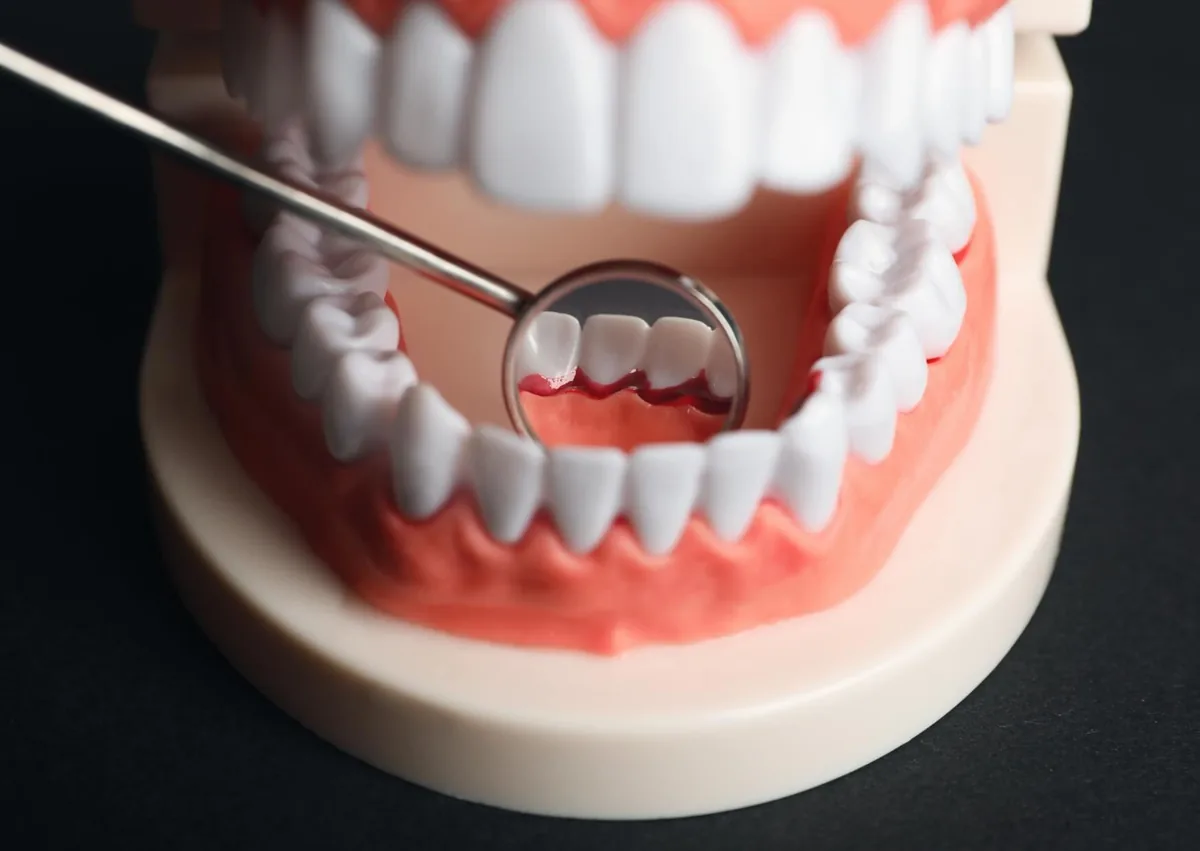
A clinical exam checks for mobility, tenderness, swelling, drainage, pocket depth, bite imbalance, and loose or fractured parts. X-rays are commonly used to assess bone levels and implant position, and cone-beam CT imaging may be recommended when more detail is needed.
Records can also matter. Preoperative scans, consent forms, implant specifications, lab prescriptions, progress notes, and earlier X-rays may help show what happened and what treatment choices were made.
If responsibility is disputed, an independent implant dentist, periodontist, prosthodontist, or oral and maxillofacial surgeon may provide another clinical opinion. Legal responsibility, however, requires advice from a qualified attorney.
Treatment depends on whether the problem involves the restoration, the surrounding tissues, or the implant’s bond to bone. A loose screw may be tightened or replaced, a damaged crown may be remade, and an uneven bite may be adjusted once the cause is confirmed.
Inflammation around a stable implant may respond to professional cleaning, improved plaque control, and treatment of contributing factors. More advanced peri-implantitis may require surgical care, although lost bone cannot always be predictably rebuilt.
A mobile implant usually cannot re-integrate and often needs to be removed. Depending on infection, bone condition, and overall health, replacement may happen right away or after grafting and healing.
When bone loss is part of the problem, bone grafting may rebuild support and improve the chances of a successful future implant. If replacement is appropriate, dental implant surgery may be part of the final treatment plan after the site is ready.
Candidacy for another implant depends on available bone, gum health, medical stability, nicotine exposure, oral hygiene, and the ability to return for maintenance. Grinding, a history of gum disease, or poorly controlled diabetes can raise risk, but they do not automatically rule out treatment.
Minor restoration repairs may be completed quickly. Treatment that involves implant removal, infection control, or grafting often takes several months.
If another implant is placed, it usually needs a healing period before the final crown or bridge is attached. The exact timeline depends on the site, bone quality, initial stability, and whether grafting was needed.
During healing, patients should follow personalized instructions for cleaning, diet, activity, and follow-up visits. New or worsening pain should not be ignored just because some soreness can be normal after implant treatment.
Long-term maintenance includes brushing, cleaning around implant components, and professional care at intervals based on personal risk. A dentist should also monitor bone levels, gum health, bite forces, and wear or loosening of restorative parts.

Dental implants can restore chewing function without relying on neighboring teeth and may help preserve bone at a missing-tooth site. For a broader look at advantages and tradeoffs, see dental implants pros and cons.
Even so, implants are not permanent by definition. Both the implant and its restoration remain vulnerable to infection, mechanical wear, and changes in overall health.
Contact a dentist promptly for persistent pain, implant movement, swelling, bleeding, pus, a bad taste, gum recession, difficulty biting, or a crown that feels loose.
For sudden or severe problems such as rapidly increasing facial swelling, fever with worsening oral symptoms, trouble swallowing or breathing, uncontrolled bleeding, or swelling near the eye or neck, seek urgent assessment through emergency dentistry.
If symptoms are severe, persistent, worsening, or unclear, schedule an exam instead of trying to assign responsibility based on symptoms alone. A consultation can show whether the implant, restoration, or surrounding tissue is affected and whether monitoring, repair, disease treatment, removal, or replacement makes the most sense.
To determine whether repair, grafting, or a replacement implant is best, arrange a prompt evaluation so care can begin without unnecessary delay. Call Tabor Dental Associates for dental implant surgery in Hendersonville, TN and nearby Nashville or Goodlettsville at (615) 822-3200 to schedule an appointment.
Not necessarily. Replacement policies depend on the treatment agreement, warranty terms, the cause of failure, the time since treatment, and whether recommended maintenance was completed. For context on typical fees and what replacement might cost, see cost of dental implants.
Often, yes, as long as there is no urgent infection or another immediate risk. Ask for copies of relevant X-rays, scans, treatment notes, implant information, and restoration records for the evaluating clinician.
Most patients cannot tell reliably at home. A loose crown or screw may be repairable, while movement of the implant in the bone is more serious, so avoid chewing on that side and arrange an evaluation.
Failure can happen during early healing or years after the implant begins functioning. Timing helps narrow the likely causes, but it does not establish responsibility by itself.
Continuing timely care may help prevent the condition from getting worse, but seeking an independent opinion is reasonable. Keep communications factual, preserve records and receipts, and do not delay urgent treatment while a payment or responsibility dispute is being reviewed.