After dental implant surgery, the best foods are soft, nutritious, and easy to chew without putting pressure on the surgical site. The 50 options below can support healing while you avoid hard, crunchy, sticky, spicy, acidic, and very hot foods, but your implant dentist’s instructions always come first.
If you are unsure what is safe to eat after dental implant surgery, clear guidance can make recovery less stressful and help you protect the healing area. Tabor Dental Associates in Hendersonville, TN explains each stage of healing so patients can move forward with more confidence and fewer setbacks.
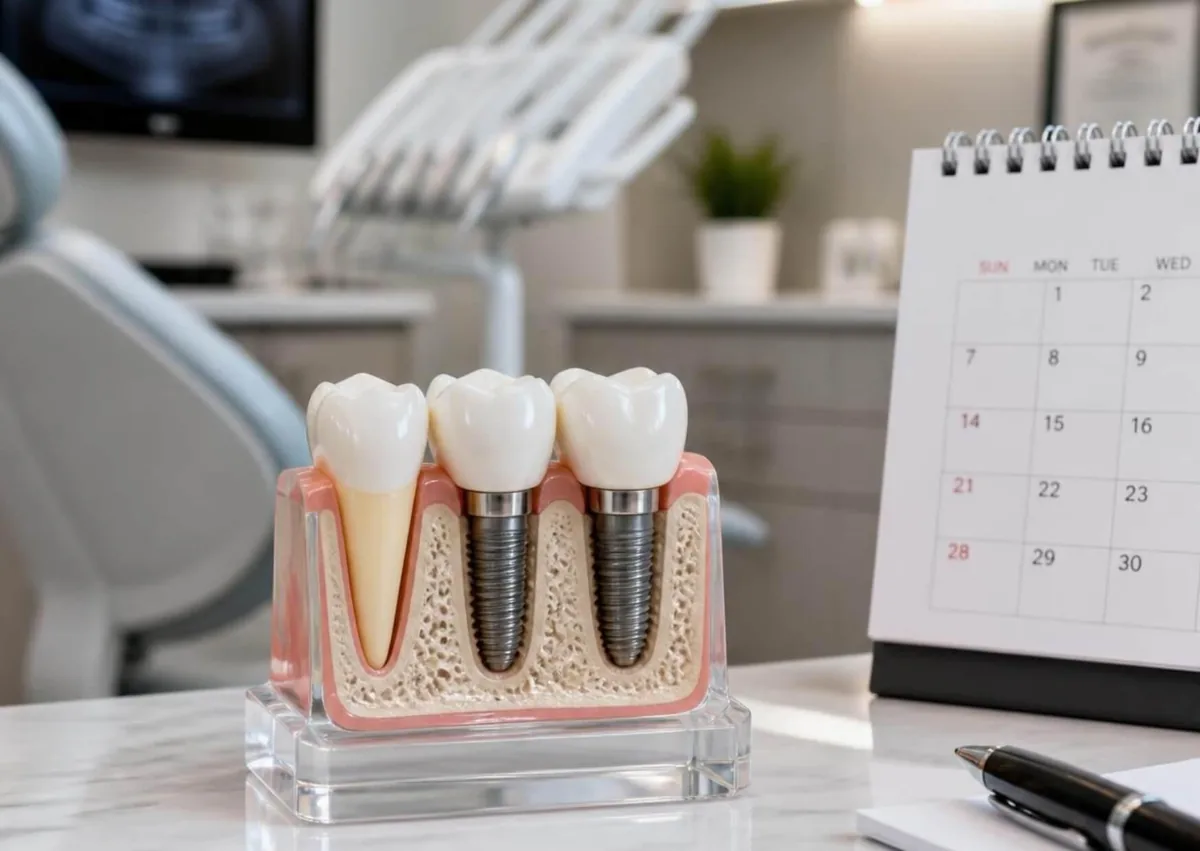
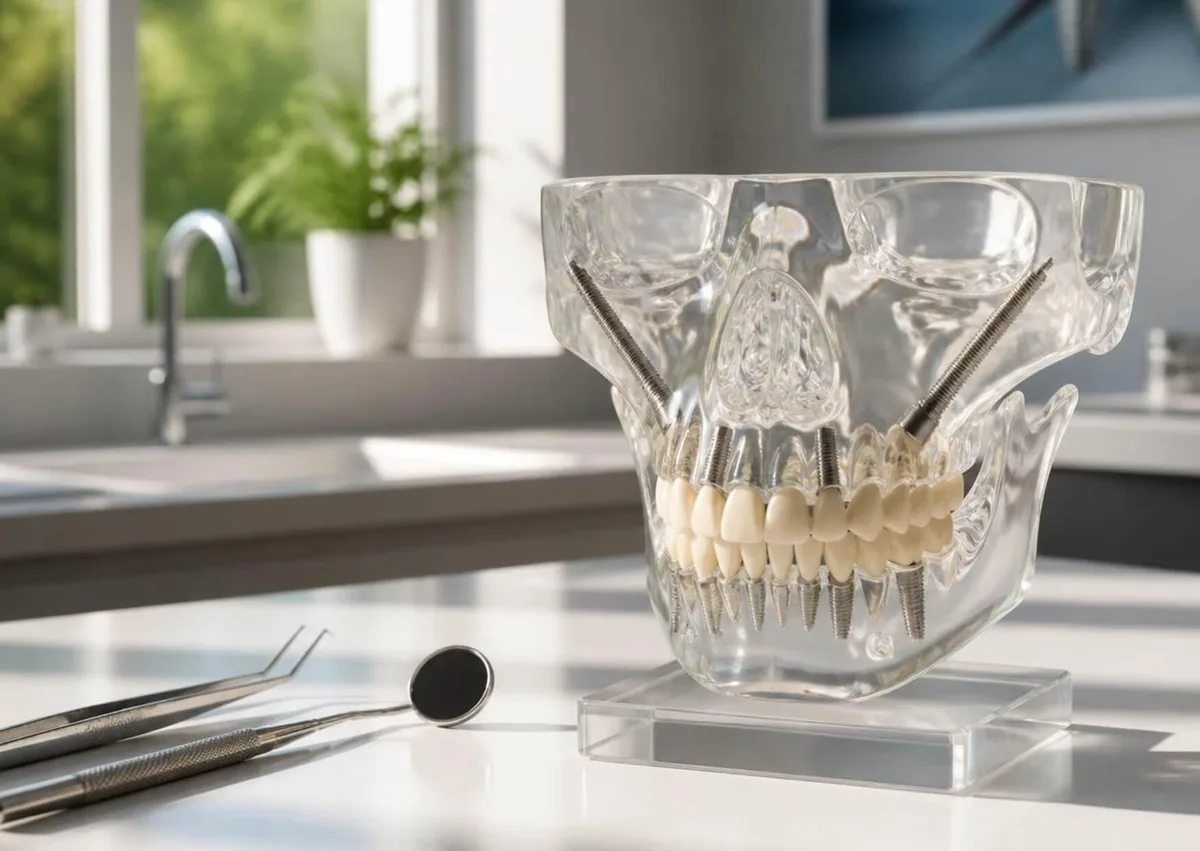
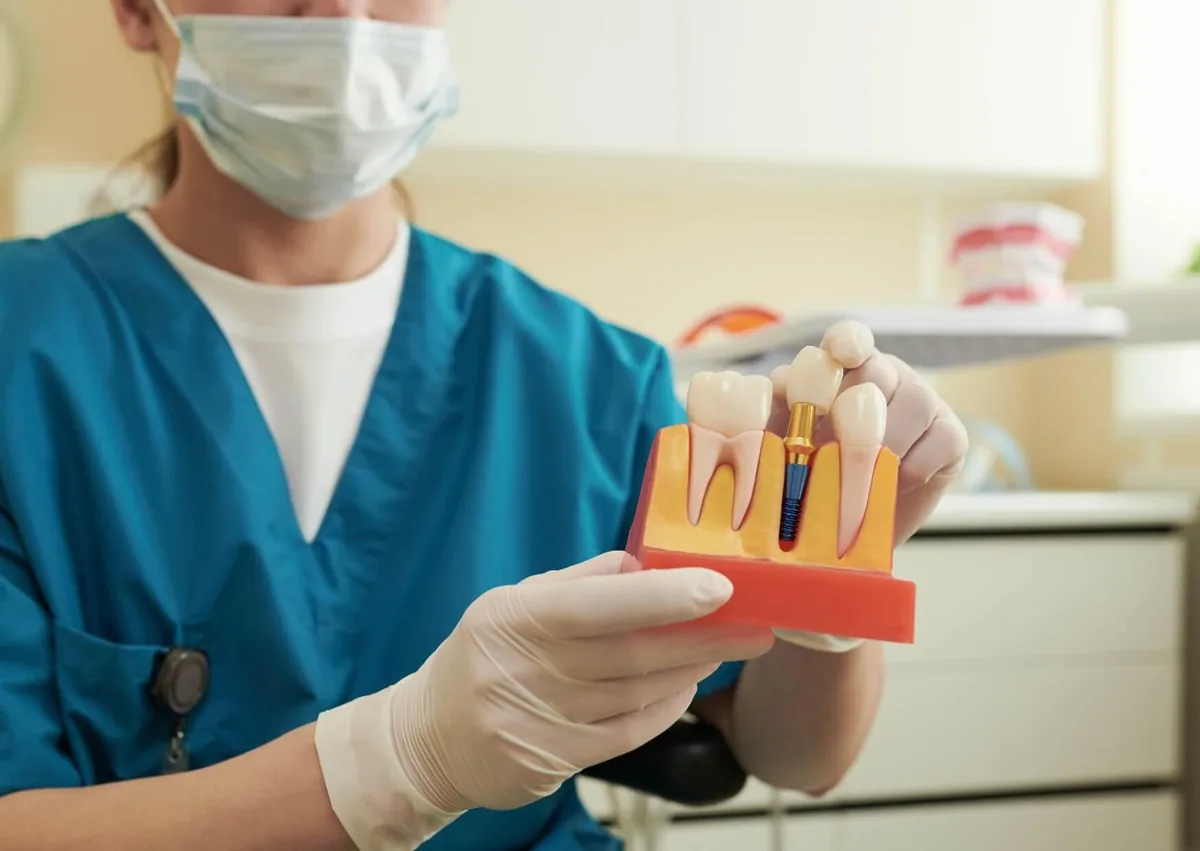
A dental implant is a small post placed in the jawbone to support a future replacement tooth; learn more about dental implants. After placement, the gum tissue begins sealing around the area while the bone starts attaching to the implant.
That bone-to-implant connection is called osseointegration. During this stage, hard chewing or direct pressure can irritate the site, increase soreness, or interfere with early healing.
Food texture also matters because small particles can collect near an incision, stitches, a healing cap, or a temporary restoration. Gentle food choices and careful cleaning help reduce irritation while the area recovers.
Some patients heal after a single implant, while others also need extractions, same-day temporary teeth, or bone grafting. Those details can change how long you need to stay on a soft diet.
Choose foods that are smooth, moist, or easy to mash. Remove seeds, skins, and tough pieces when possible, and let hot foods cool before eating.
If a food requires forceful chewing or causes discomfort, wait and try it later. Comfort and your dentist’s instructions should guide when you advance textures.
Packaged soups, smoothies, sauces, and protein drinks can be high in sugar or sodium. If you have diabetes, kidney disease, swallowing problems, food allergies, or another medical diet, follow guidance from your medical and dental team.
For the first 24 to 48 hours, many patients do best with cool or lukewarm foods that require little or no chewing. Avoid very hot foods while numbness remains so you do not accidentally burn your lips, cheeks, or tongue.
As the area becomes more comfortable, many patients can add foods like eggs, soft fish, tender pasta, cooked vegetables, and moist ground meat. Advance your diet gradually based on comfort and your dentist’s instructions, not just the number of days since surgery.
Even when the gums feel better, the implant is still healing below the surface. A typical osseointegration timeline helps explain why chewing restrictions may last for several months.
If you have an immediate temporary bridge or denture, you may need a modified diet for longer. Too much biting force can affect the healing implants or the temporary appliance.
Avoid chips, popcorn, nuts, seeds, pretzels, crusty bread, raw vegetables, tough meat, and hard candy until your dentist says they are safe. These foods can place too much pressure on the site or leave debris around the incision.
Sticky foods such as caramel and chewing gum can pull on temporary restorations or become trapped near the surgical area. Spicy, highly acidic, and very hot foods may also irritate healing tissue.
Do not use a straw unless your surgical team specifically says it is okay. Suction may disrupt a blood clot, especially if an extraction was done at the same visit.
Alcohol may interfere with healing or interact with medication. Tobacco and nicotine can reduce blood flow and raise the risk of implant complications.
Healing is not just about avoiding the wrong foods. Your body also needs enough protein, fluids, vitamins, and calories to repair tissue and support recovery.
Protein-rich foods such as eggs, yogurt, tofu, fish, beans, and tender meats are often good choices. Fruits and vegetables can also help, as long as they are prepared in a soft texture that does not require forceful chewing.
Drink water regularly throughout the day. Try not to rely only on sweets or refined carbohydrates, especially after a more extensive procedure.
Follow your dentist’s instructions for brushing, rinsing, and caring for any temporary tooth or denture. Do not poke the site with your finger, tongue, water flosser, or an interdental cleaner unless you were told to do so.
Gentle oral hygiene helps control plaque without disturbing the area. Once healing is complete, implants still need daily cleaning and regular professional maintenance.
Like natural teeth, implants can develop problems if plaque builds up around the gums. Long-term success depends on home care and follow-up visits.
Dental implants can provide stable tooth replacement, improve chewing, and help preserve the jawbone in the right candidate. Results depend on factors such as bone volume, gum health, bite forces, oral hygiene, tobacco use, diabetes control, and follow-up care.
For a broader overview of treatment expectations, see dental implant pros and cons. A consultation is appropriate for anyone considering dental implants, struggling to eat after surgery, or unsure whether healing is progressing normally.
Some swelling, bruising, tenderness, and light bleeding are common after surgery and often improve over several days. Contact the dental office promptly if pain or swelling is getting worse instead of better, bleeding continues, pus appears, a foul taste develops, or an implant or temporary tooth feels loose.
You should also call if you develop fever, new numbness, or trouble opening your mouth. Seek urgent medical care right away for trouble breathing or swallowing, rapidly spreading facial or neck swelling, or uncontrolled bleeding.
If you need a clinical assessment, an in-person consultation can confirm healing progress and advise when to safely return to regular foods. Contact Tabor Dental Associates for dental implant surgery in Hendersonville, TN and nearby Nashville or Goodlettsville to schedule an appointment; call (615) 822-3200 to book.
Many patients need a very soft diet for the first few days and then slowly add foods that require light chewing. If you had bone grafting, multiple implants, extractions, or a full-arch temporary restoration, restrictions may last several weeks or longer.
You can usually eat once your surgical team says it is safe and numbness has worn off enough to prevent accidental biting or burns. Start with cool or lukewarm foods and avoid chewing on the surgical side.
Very hot coffee is usually best avoided during early healing, especially while the mouth is still numb or if the site is bleeding. Ask your dentist when warm beverages are appropriate for your specific procedure.
Smooth ice cream may feel soothing if it does not contain nuts, candy pieces, or other hard mix-ins. Eat it in moderation and avoid it if extreme cold increases sensitivity.
Return to crunchy foods only after your implant dentist confirms that the surgical site and any temporary restoration can handle them. Gum comfort alone does not mean the implant has fully integrated with the bone.