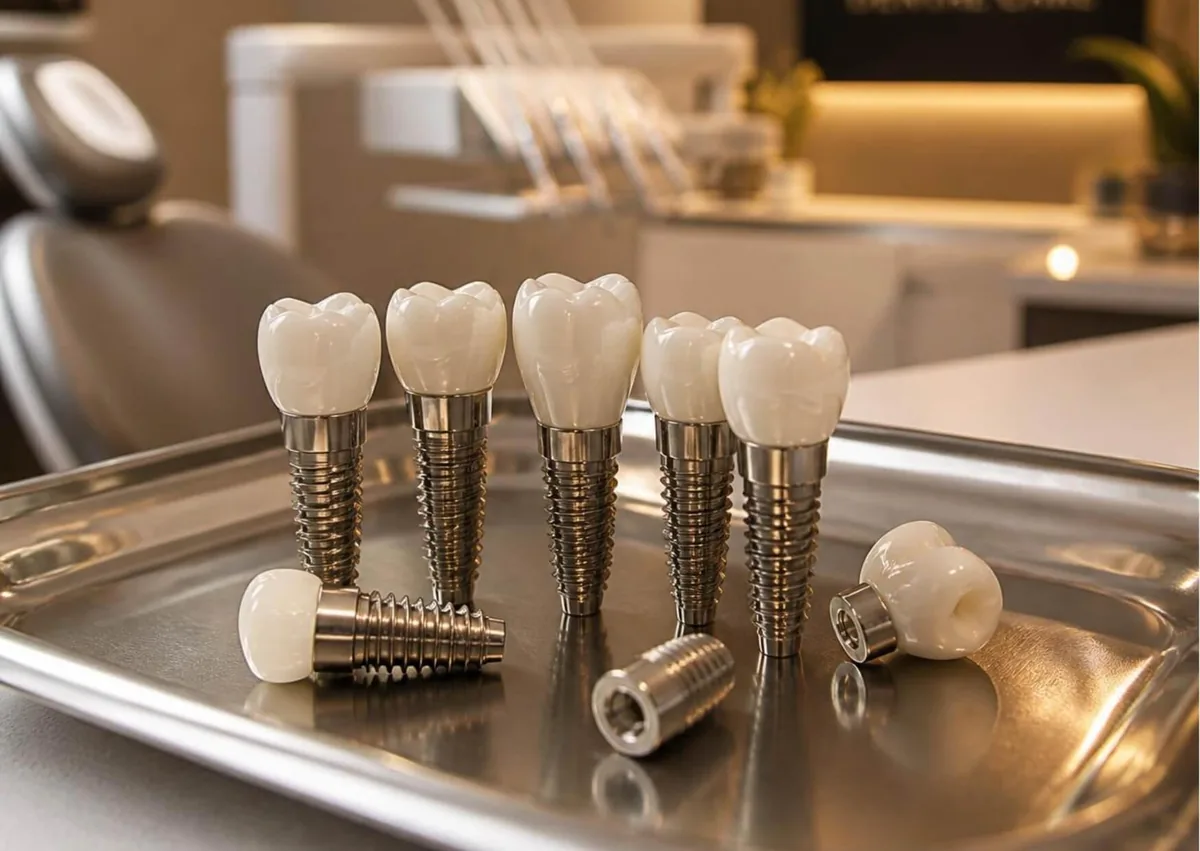
The typical single tooth implant cost in the United States is about $3,000 to $6,000 for the implant post, abutment, and crown. The total cost can be lower or higher depending on location, materials, imaging, sedation, tooth extractions, bone grafting, and whether insurance contributes.
Implants are often discussed as one treatment, but estimates do not always include every stage. If you think dental implants may be right for you, ask for an itemized treatment plan that shows expected fees, alternatives, and possible added procedures before you decide.
Tabor Dental Associates in Hendersonville, TN offers personalized implant evaluations and clear cost breakdowns to help you make a confident decision.
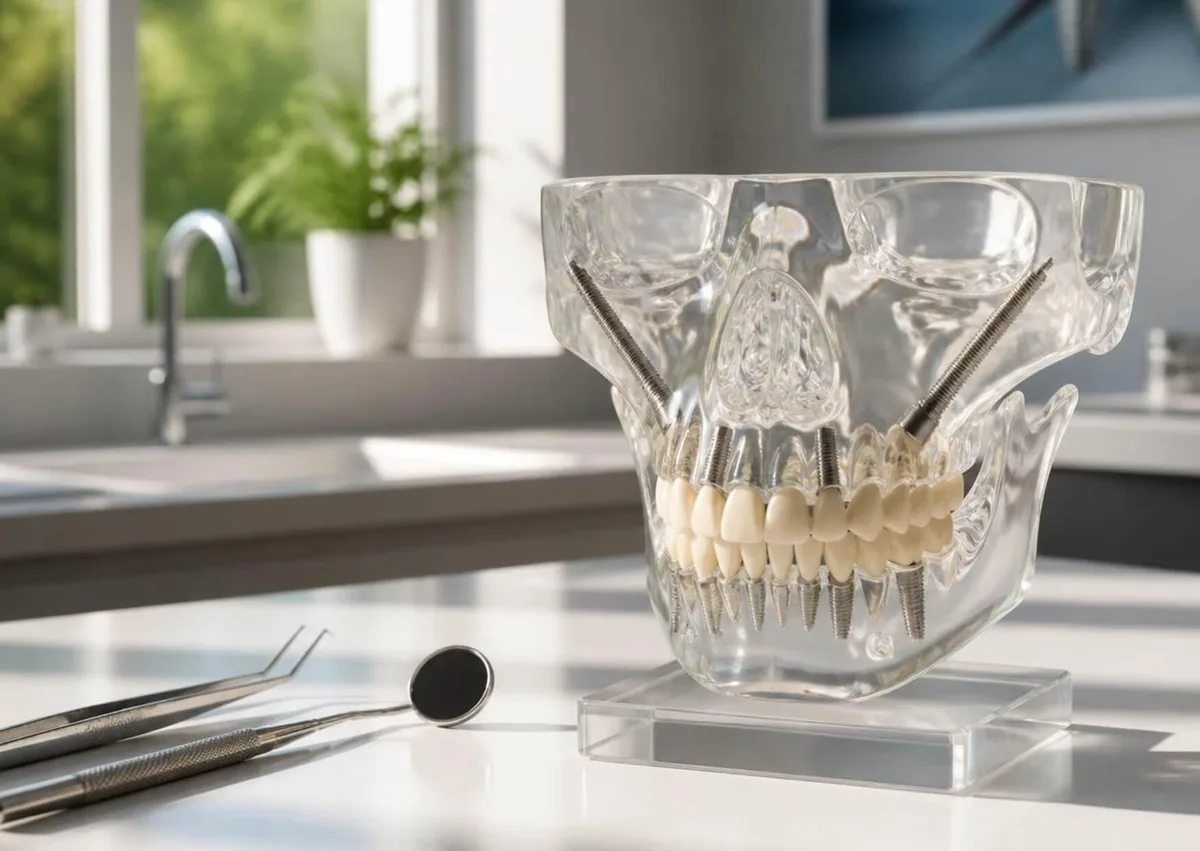
A single-tooth implant has three main parts: the implant post placed in the jaw, the abutment that connects the post to the restoration, and the custom crown that replaces the visible tooth. Treatment also commonly includes an exam, X-rays or 3D imaging, impressions, and follow-up visits.
Some offices quote the surgical phase separately from the crown. An estimate may also leave out tooth extractions, a temporary tooth, sedation, bone grafting, gum disease treatment, or specialist fees.
|
Cost Component |
Purpose |
Often Quoted Separately? |
|---|---|---|
|
Exam and imaging |
Evaluates bone, gums, nerves, and nearby teeth |
Sometimes |
|
Implant post placement |
Places the artificial tooth root |
Often |
|
Abutment |
Connects the post and crown |
Sometimes |
|
Implant crown |
Replaces the visible tooth |
Often |
|
Extraction or bone graft |
Prepares the site when needed |
Usually |
|
Temporary tooth |
Preserves appearance during healing |
Usually |
Geographic pricing can vary widely because lab, staffing, facility, and specialist costs differ by market. The final fee can also change based on crown material, implant location, and whether custom components are needed.
For a broader overview, see our guide to the cost of dental implants.
Teeth may be lost because of decay, fracture, gum disease, trauma, or a failed root canal. After a tooth is removed, the jawbone in that area begins to shrink because it no longer receives stimulation from the root.
Nearby teeth may drift into the space, and the opposing tooth may move out of position. These changes can make replacement more complex if evaluation is delayed.
An implant is not always the first step. Active infection, severe pain, swelling, uncontrolled gum inflammation, or an unrepaired fracture may need treatment before long-term tooth replacement is planned.
Bone grafting is a common added cost when the jaw is too narrow or has lost volume. A graft uses natural or synthetic material to support new bone formation and may be done before implant placement or at the same visit.
Upper back teeth sometimes need a sinus-related graft because the sinus sits close to the jawbone. Front teeth may require more tissue shaping when gum symmetry and appearance matter more.
Health and behavioral risk factors can also affect complexity and candidacy. Smoking or vaping, poorly controlled diabetes, untreated gum disease, teeth grinding, certain medications, and prior radiation to the jaws can influence healing and long-term implant success.
Sedation may add to the total fee, although many straightforward implants are placed with local anesthesia alone. The right option depends on the procedure, your health history, and your comfort needs.
A dental implant is not the only way to replace one missing tooth. A fixed bridge or removable partial denture may cost less at first, but each option affects nearby teeth, maintenance, durability, and future treatment differently.
|
Option |
Main Advantage |
Important Limitation |
|---|---|---|
|
Single implant and crown |
Does not require reshaping adjacent healthy teeth |
Requires surgery, healing time, and adequate bone |
|
Usually restores the space without implant surgery |
Typically requires reshaping the teeth beside the gap |
|
|
Removable partial denture |
Often has the lowest initial cost |
Removable, less stable, and may feel bulkier |
|
No replacement |
Avoids immediate restorative cost |
May allow tooth movement, bite changes, or bone loss |
A bridge can be a reasonable choice when the neighboring teeth already need crowns. An implant may be the better choice when those teeth are healthy and the site has enough bone for predictable placement.
The lowest upfront fee is not always the lowest long-term cost. Compare maintenance, replacement risk, effects on other teeth, and insurance limits rather than looking at price alone. For a broader comparison, see dental implants pros and cons.
A good candidate usually has enough jawbone, healthy or stabilized gums, and overall health that supports normal healing. Age alone does not decide candidacy, although implants are generally delayed until jaw growth is complete.
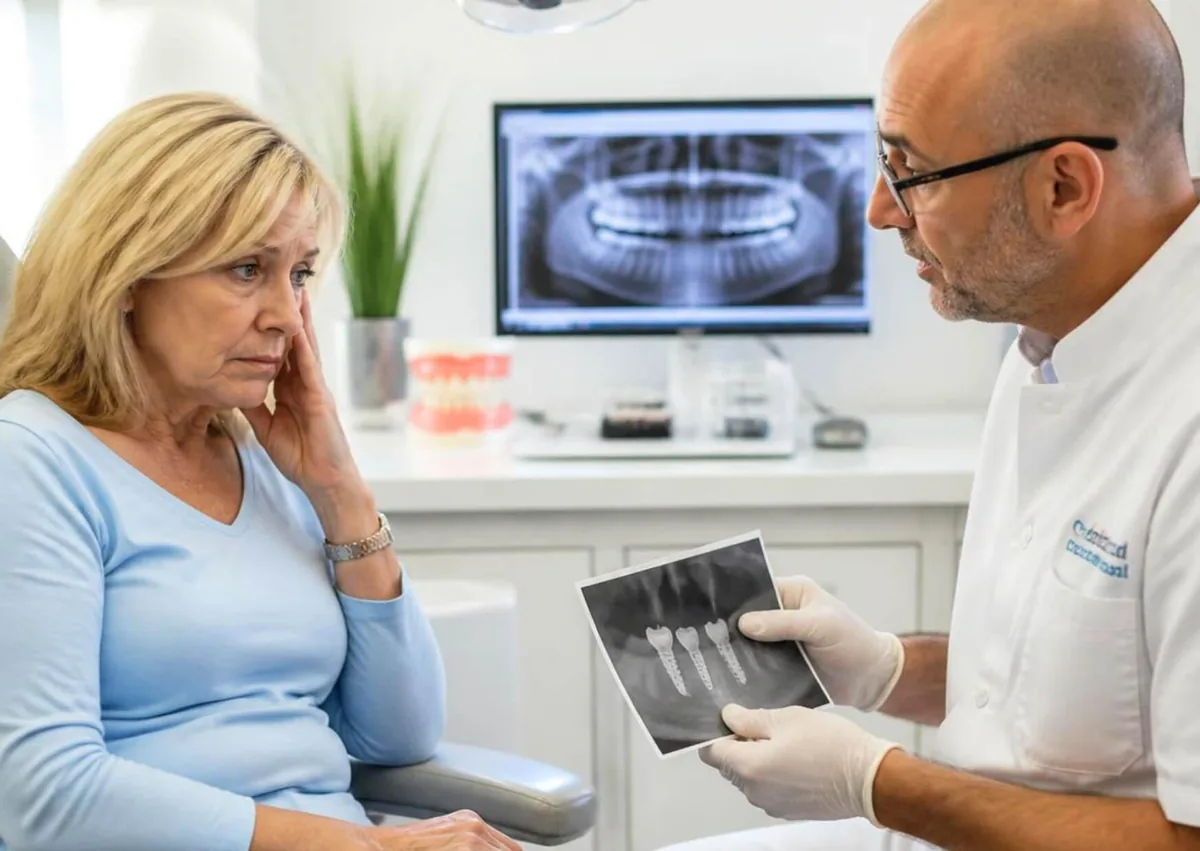
A dentist may use a CBCT scan to evaluate bone dimensions and the position of nerves, sinuses, and nearby roots. This helps determine whether grafting is needed and supports safer implant planning.
Implants may need to wait until active gum disease or uncontrolled medical conditions are addressed. In some cases, coordination with a physician is appropriate if health history or medications could affect surgery or healing.
Treatment often takes three to nine months, although grafting, extraction-site healing, and individual biology can extend the timeline. In selected cases, immediate placement or faster restoration may be possible, but that approach is not right for every site.
|
Stage |
Typical Purpose |
General Timing |
|---|---|---|
|
Evaluation and planning |
Reviews health, bone, bite, and implant position |
One or more visits |
|
Extraction or grafting |
Removes a failing tooth or rebuilds bone |
Before or during placement |
|
Implant placement |
Inserts the post into the jaw |
One procedure |
|
Osseointegration |
Allows bone to bond with the implant |
Often several months |
|
Abutment and crown |
Connects and restores the implant |
After adequate stability |
Osseointegration is the process in which living bone bonds to the implant surface. During this healing period, the implant must stay stable, so a temporary tooth may be shaped to reduce pressure on the area.
Mild soreness, swelling, and bruising can happen after surgery and should gradually improve. Contact the treating dentist promptly for worsening pain, increasing swelling, fever, pus, persistent bleeding, numbness, or a loose implant or temporary tooth. Difficulty breathing or swallowing is an emergency.
Dental insurance may help pay for part of treatment, but annual maximums, waiting periods, missing-tooth clauses, and exclusions often limit benefits. Medical insurance sometimes contributes when tooth loss or reconstruction is tied to covered trauma or a medical condition, but routine implant coverage is uncommon.
Ask for a written estimate that lists the implant, abutment, crown, imaging, grafting, extraction, temporary restoration, sedation, and follow-up care. Also ask which fees could change if unexpected bone or gum conditions are found during treatment.
Financing can spread payments over time, but interest rates and deferred-interest terms deserve careful review. A dental savings plan may reduce contracted fees, but it is not insurance and does not pay claims.
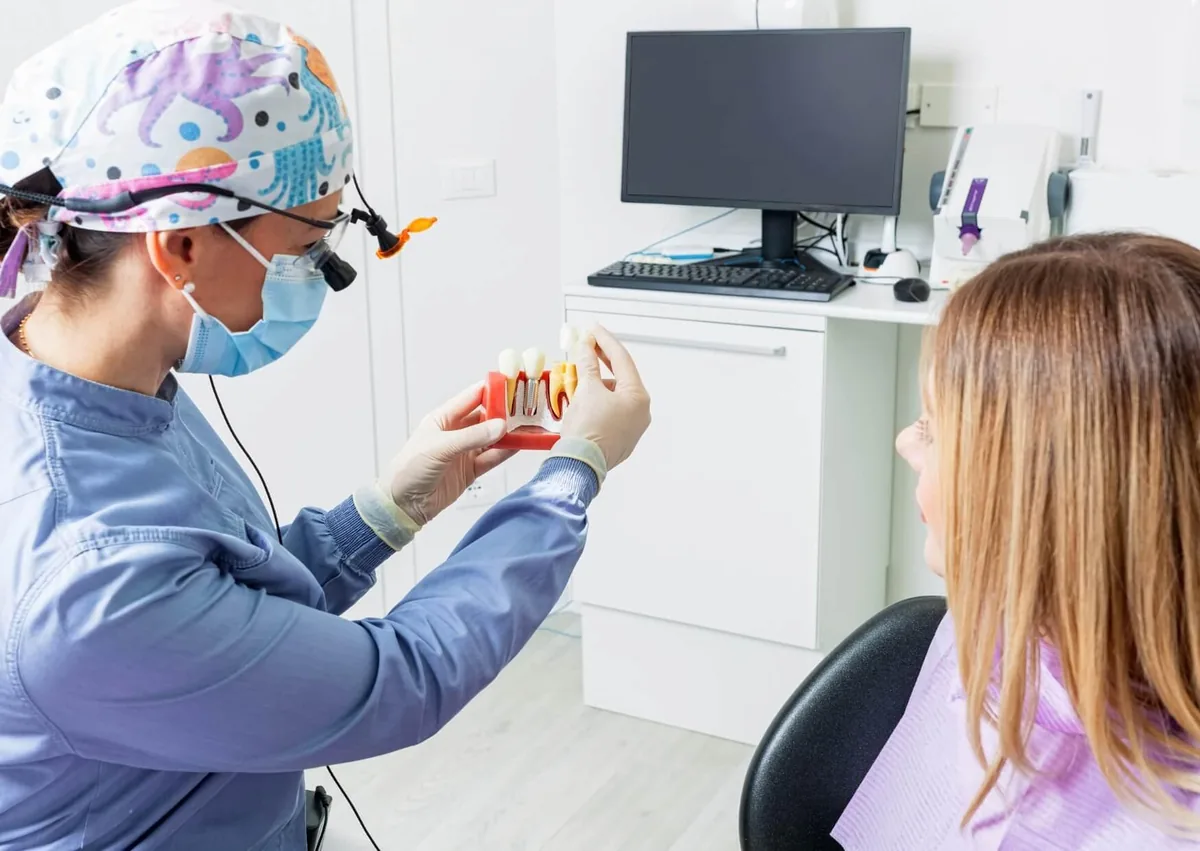
A successful implant can restore stable chewing and a natural-looking smile without relying on adjacent teeth for support. It can also help preserve bone at the implant site, although it cannot stop every age-related or disease-related change in the jaw.
Implants do not get cavities, but the surrounding gums and bone can still become inflamed or infected. Daily brushing, cleaning around the implant, regular dental visits, and professional maintenance remain essential.
Crowns can chip, wear, loosen, or eventually need replacement. Implants can also fail to integrate or lose support over time, especially when smoking, grinding, gum disease, or uncontrolled health conditions are involved.
Schedule an implant consultation after tooth loss or when a tooth has been judged nonrestorable, especially if you want to compare options before bone changes progress. A clinical exam and imaging are needed to confirm candidacy, estimate timing, and calculate a more reliable total cost.
If you'd like a personalized plan and cost estimate, arrange a consultation to review your options and timing. Tabor Dental Associates in Hendersonville, TN specializes in dental implants; call (615) 822-3200 to schedule or book your appointment online.
Not always. Some estimates include the post, abutment, and crown, while others quote the surgical and restorative phases separately, so ask for an itemized total.
Differences may reflect grafting, extraction, sedation, implant location, crown material, specialist involvement, geographic pricing, or the complexity of the surrounding bone and gums. A higher fee does not automatically mean better treatment, so compare the scope of care and the diagnosis.
Some plans cover part of the implant surgery or crown, but exclusions and annual limits are common. The insurer can often provide a pre-treatment estimate, although that is not always a guarantee of payment.
Many implants function for years or decades, but no restoration has a guaranteed lifespan. Gum health, bone support, hygiene, smoking, grinding, medical conditions, implant position, and maintenance all affect longevity.
Sometimes an implant can be placed immediately after extraction, and selected patients may receive a temporary tooth that day. Infection, bone quality, bite pressure, gum shape, and implant stability determine whether that approach is appropriate.