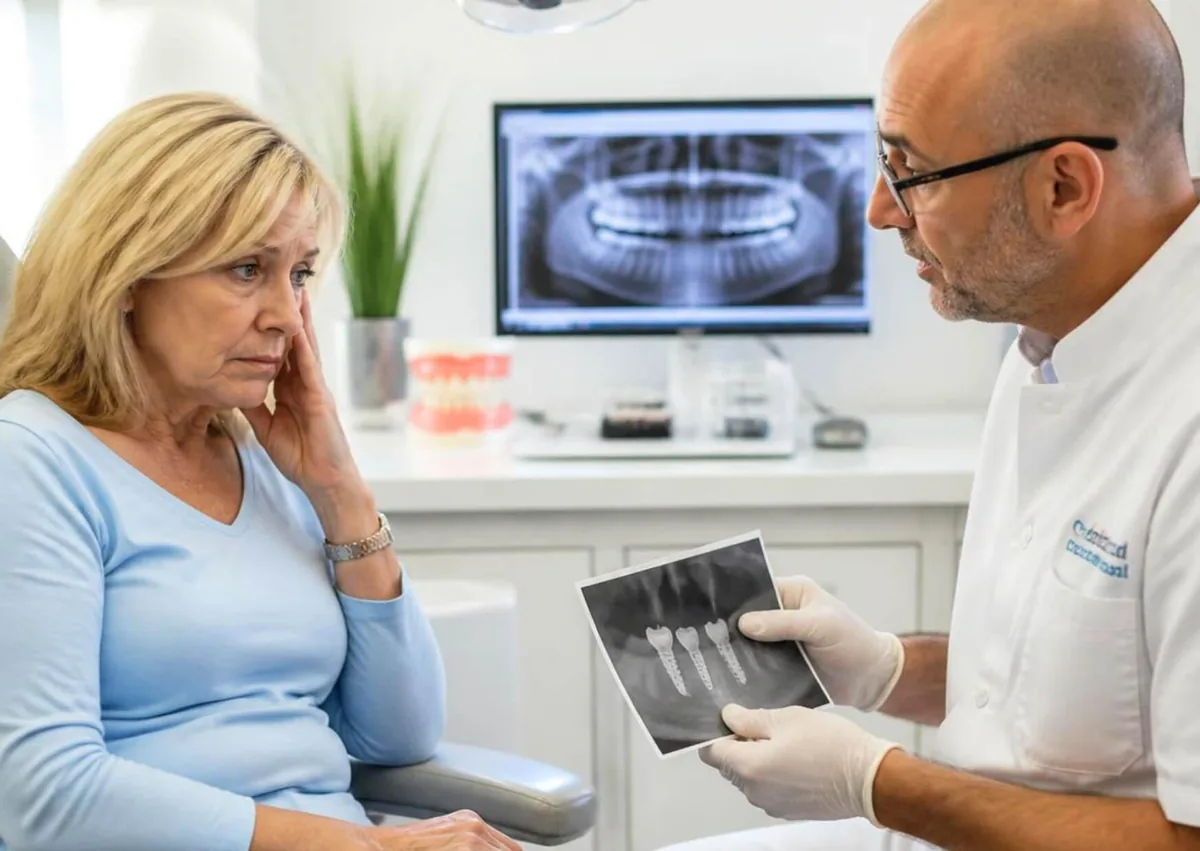
A dental implant may be placed the same day as an extraction or after about 3 to 6 months of healing, depending on the condition of the socket, gums, and jawbone. Some people need more healing time after infection treatment or bone grafting, so an exam and dental imaging are the safest way to set the timeline.
If you're weighing whether to replace a recently extracted tooth with an implant or need guidance on timing, understanding the options for dental implant surgery can clarify risks and next steps. Tabor Dental Associates in Hendersonville, TN reviews your imaging and history to recommend the safest timing and approach so you know what to expect during healing.
Implant timing usually falls into four categories. The goal is not to place the implant as fast as possible, but to place it when the bone and soft tissue can support predictable healing.
|
Timing Approach |
Typical Timing After Extraction |
When It May Be Considered |
|---|---|---|
|
Immediate placement |
Same appointment |
The socket is suitable, bone is adequate, and infection can be managed |
|
Early placement |
About 4 to 8 weeks |
Gum healing is needed before implant surgery |
|
Delayed placement |
About 3 to 6 months |
The socket or bone graft needs time to mature |
|
Extended delay |
More than 6 months |
Additional grafting, medical stabilization, or complex healing is required |
These ranges are general, and timing categories can vary somewhat among clinicians. An implant placed on the day of extraction is not automatically better, and a delayed implant does not necessarily mean something went wrong.
After a tooth is removed, the blood clot in the socket turns into healing tissue and then new bone. At the same time, the jaw ridge starts to change shape because it no longer receives stimulation from the tooth root.
This remodeling can reduce bone height and width, especially in the first several months. A clinician may recommend socket preservation, which places graft material in the extraction site to help maintain the ridge for a future implant.
That type of care is a form of bone grafting. A graft does not stop all bone change, but it may improve the foundation and reduce the need for more extensive reconstruction later.
Immediate dental implant surgery may be possible when the socket walls are mostly intact and enough healthy bone is available to stabilize the implant. Primary stability, meaning the implant is firmly anchored at surgery, is important for successful integration.
The dentist also evaluates the gums, tooth position, bite forces, and nearby structures such as nerves and sinuses. A cone-beam CT scan may be used when it improves planning.
An infection near the extracted tooth does not always rule out immediate placement, but it can make treatment less predictable. Extensive bone loss, uncontrolled infection, or an inability to clean the site thoroughly may make delayed placement the safer choice.
An immediate implant is also different from an immediate final tooth. A temporary crown may sometimes be attached right away, but it is usually designed to avoid heavy biting while the implant heals.
Delayed placement may be recommended when the socket has thin or damaged walls, active inflammation, limited bone, or poor soft-tissue coverage. Waiting also gives the dentist time to confirm that symptoms have resolved and the site is healing normally.
Common reasons for a longer timeline include:
For guidance on managing infections that can affect timing, see our page on dental abscess self-care.
Age alone usually does not determine candidacy. Overall health, bone quality, oral hygiene, medications, and the ability to maintain follow-up care are often more important.
Several of these risk factors are also associated with higher implant complication rates. That is why the right timeline is based on healing quality, not just the calendar.
If graft material is placed in the socket during extraction, implant placement is often considered after about 3 to 6 months. That gives the graft time to develop enough strength to support the planned implant.
Larger grafts may need longer. Some smaller defects can be grafted at the same time the implant is placed.
The upper back jaw sometimes needs a sinus lift because the sinus limits available bone height. Depending on how much bone is already present, the implant may be placed during grafting or after a separate healing period.
Dental X-rays or three-dimensional imaging help determine whether the site has enough bone, but calendar time alone does not prove readiness. The final decision depends on both healing and the exact implant position.
Cleveland Clinic's overview of bone graft healing also notes that healing time can vary with the size of the graft. This is one reason two patients with similar extractions may still have different implant timelines.
The process starts with an exam, health history, bite assessment, and imaging. The treatment plan should account for the final crown from the beginning because implant position affects appearance, cleaning access, and bite function.
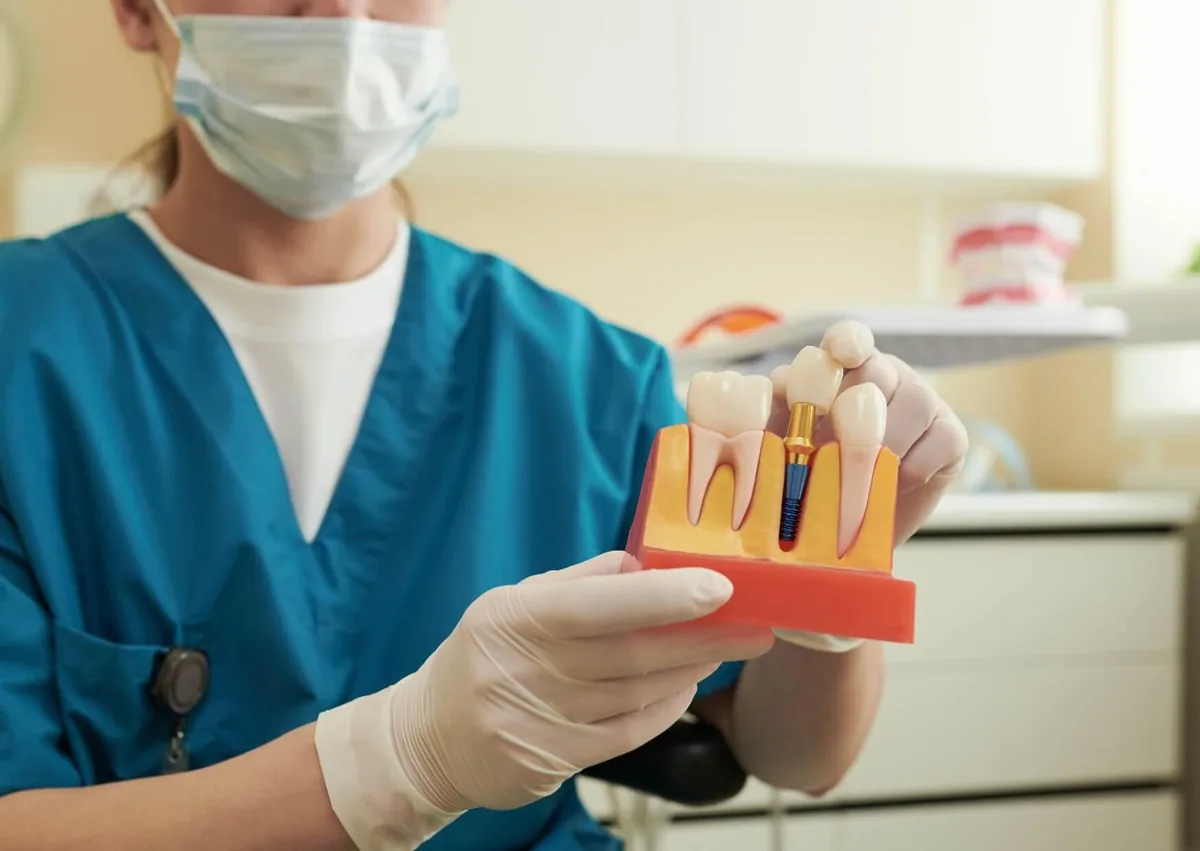
After implant placement, bone grows into close contact with the implant surface through a process called osseointegration. This commonly takes several months, although healing varies by implant location, bone quality, grafting, health factors, and whether the implant carries any load.
Once integration is confirmed, an abutment connects the implant to the crown. Some implants need a minor procedure to uncover them first, while others heal with a small connector already visible above the gums.
A temporary replacement may be available during treatment, such as a removable partial denture or bonded temporary tooth. The right option depends on the site and must avoid damaging the extraction socket, graft, or implant.
An implant can replace a missing tooth without preparing adjacent healthy teeth for a conventional bridge. It may provide a stable chewing function and helps preserve bone stimulation at the implant site.
Implants cannot prevent every future problem. They can develop peri-implant disease, and they may fail to integrate or develop mechanical complications.
For a broader overview, see dental implants pros and cons. If cost is part of your decision, review our information on the cost of dental implants.
Long-term success depends on daily plaque removal, professional maintenance, and control of risk factors such as smoking, gum disease, and uncontrolled blood sugar. The crown may also need repair or replacement over time even when the implant remains healthy.
Follow your clinician's instructions for eating, cleaning, and protecting the surgical area. Avoid disturbing the blood clot after extraction, and do not place chewing pressure on a temporary tooth unless the dentist says it is safe.
Keep all follow-up visits so healing, graft stability, and implant integration can be checked. Report persistent pain, an unstable temporary tooth, or changes around the surgical site rather than waiting for a routine visit.
Seek prompt dental care for worsening swelling, fever, pus, a foul taste, persistent bleeding, or severe pain that is not improving. Trouble breathing or swallowing, rapidly spreading facial or neck swelling, or uncontrolled bleeding requires urgent medical attention.
Ideally, implant planning begins before the tooth is removed, even when placement will happen later. This gives the restorative dentist or implant clinician time to evaluate whether socket preservation, immediate placement, or a specific temporary tooth is appropriate.
If the extraction has already happened, an evaluation can still be scheduled during healing. Earlier assessment may identify bone loss, infection, or spacing issues before they make treatment more complex.
A personalized plan can clarify the likely sequence, timeline, alternatives, and expected maintenance. For details about removal and healing, see our page on tooth extractions.
If you want a clear plan for timing and technique after extraction, a focused consultation can confirm whether immediate placement or staged treatment is best. Contact Tabor Dental Associates for dental implant surgery in Hendersonville, TN at (615) 822-3200 to schedule an appointment or ask about same-day availability.
Often, yes, but the jaw ridge may lose width and height during that time. Imaging may show that bone grafting is needed before or during implant placement.
Local anesthesia is used during implant surgery, and soreness and swelling afterward are common. Pain that is severe, worsening, or paired with fever, drainage, or spreading swelling should be evaluated promptly.
Sometimes an implant can be placed immediately after careful removal and cleaning, but extensive infection or bone damage may make delayed treatment safer. The decision depends on the clinical exam and imaging rather than infection history alone.
No. Grafting depends on the socket shape, bone volume, implant position, and treatment timing, and some sites have enough natural bone without it.
A permanent crown is commonly attached after the implant has integrated over several months. Earlier loading may be possible in selected cases with strong implant stability and a carefully controlled bite.