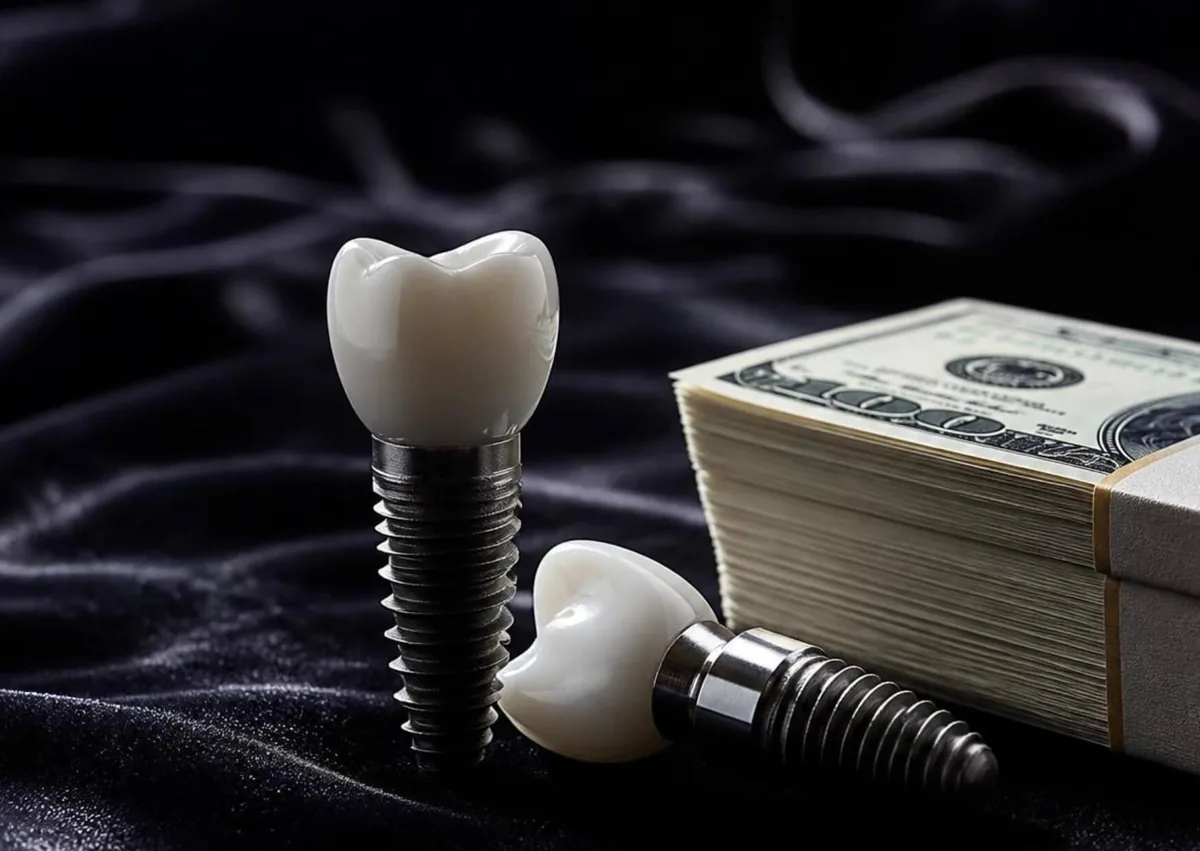
Dental implants often last 20 years or longer, and many stay functional for a lifetime with good care. Long-term evidence shows a strong implant survival rate over decades, although the visible crown, bridge, or denture attached to the implant usually wears out sooner and may need replacement after about 10 to 15 years.
No dentist can promise an exact lifespan. Oral hygiene, gum and bone health, smoking, bite forces, medical conditions, implant position, and regular professional care all influence how long an implant lasts.
If you want a tooth replacement that can last for many years while helping preserve chewing function and jawbone support, dental implants pros and cons can help you weigh the tradeoffs. Tabor Dental Associates in Hendersonville, TN provides patient-focused dental implants designed to restore stability, comfort, and a natural-looking smile.
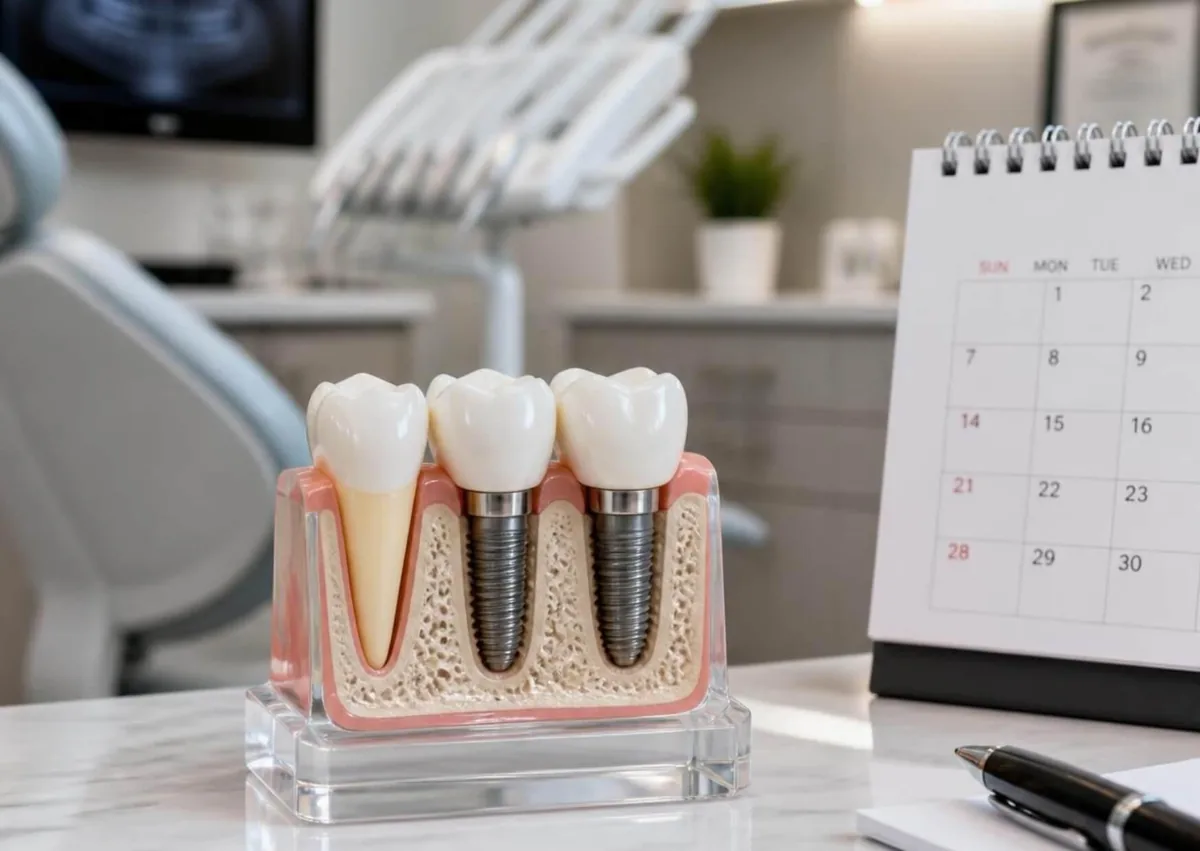
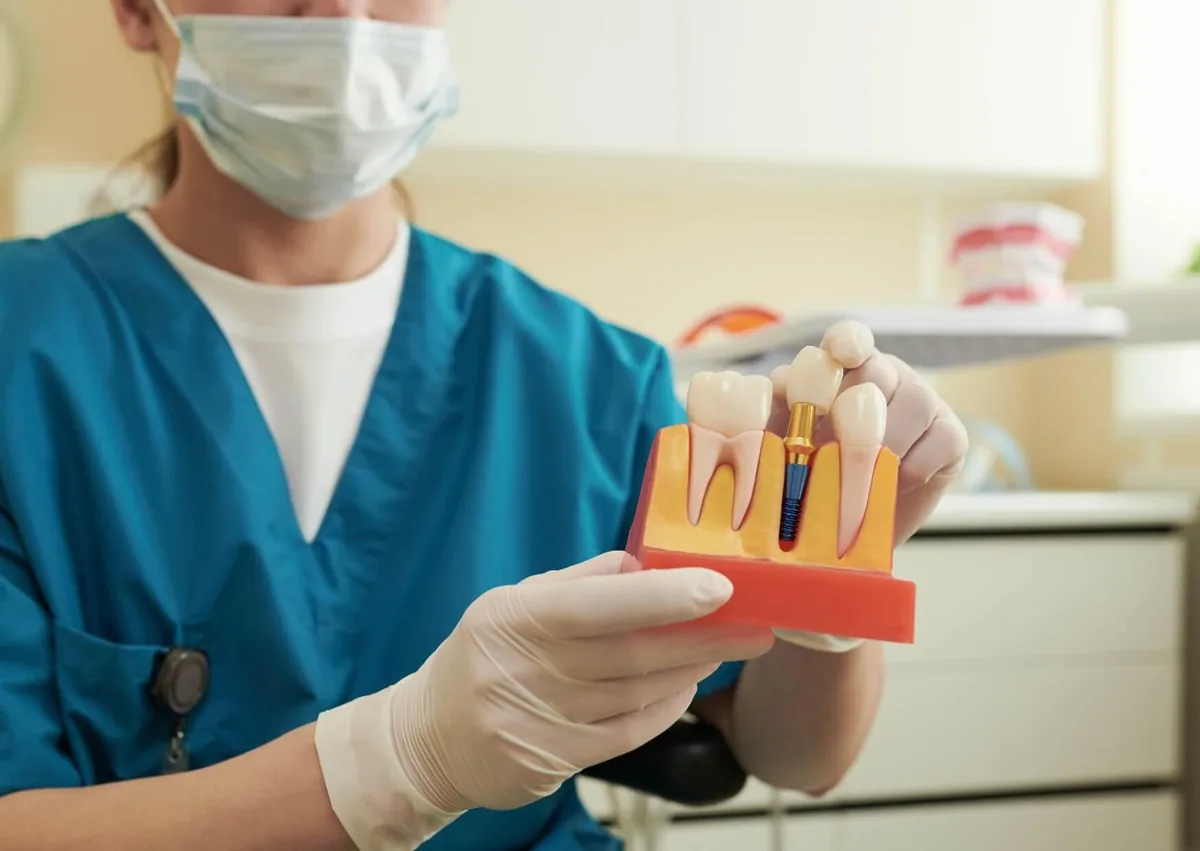
A dental implant is a titanium or ceramic post that replaces a tooth root. After placement, the surrounding bone heals to the implant surface through osseointegration, creating a stable base for the final restoration.
The restoration is the part you see and chew with. It may be a single crown, an implant-supported bridge, or an implant-supported denture, and it is usually more likely than the implant post to wear, chip, loosen, or need replacement over time.
Tooth loss also affects the jawbone. Because the missing root no longer stimulates the bone during chewing, the area can shrink, and an implant helps reduce that loss by restoring support in the space.
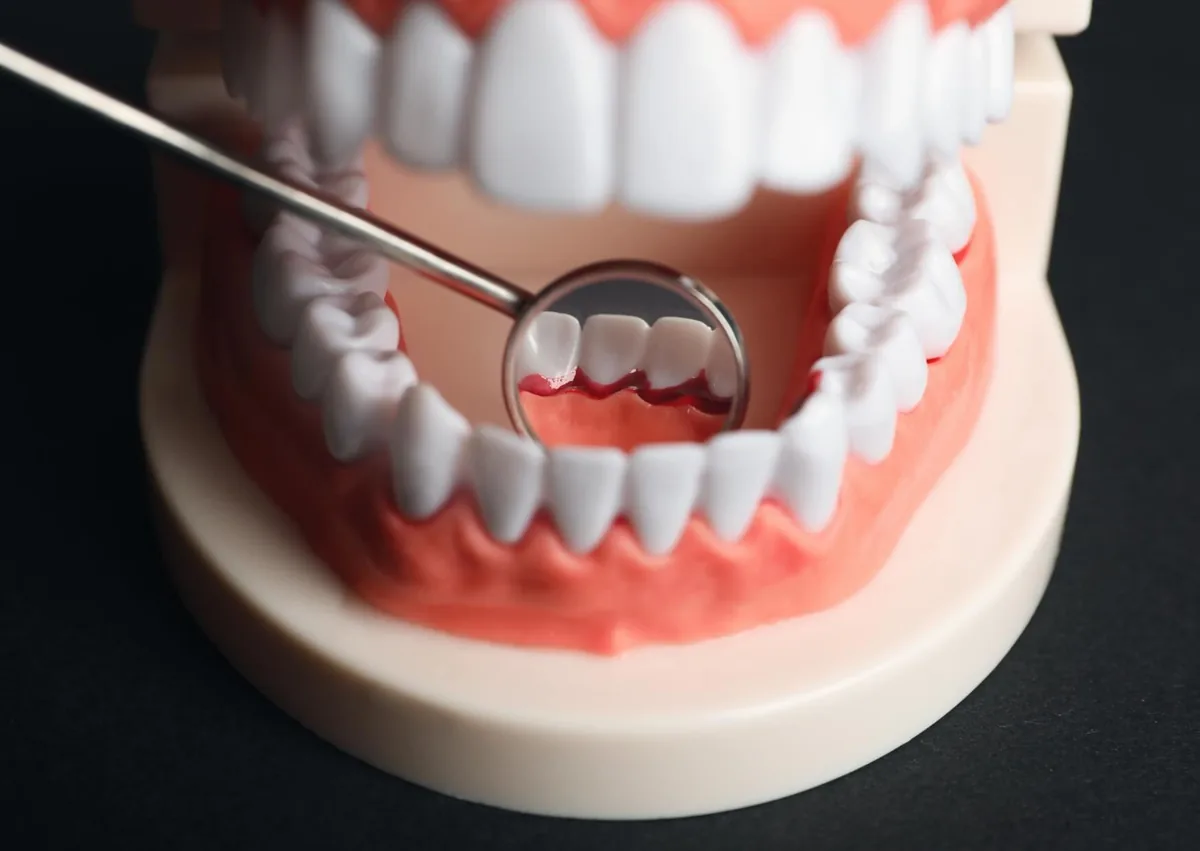
Daily plaque control is one of the most important factors you can control. Plaque around an implant can inflame the gums and, if it is not managed, contribute to peri-implantitis, an inflammatory condition that can lead to bone loss around the implant.
Other risk factors that may shorten implant life include:
An implant cannot get a cavity, but the surrounding gums and bone can still become diseased. Nearby natural teeth also remain vulnerable to decay and gum disease.
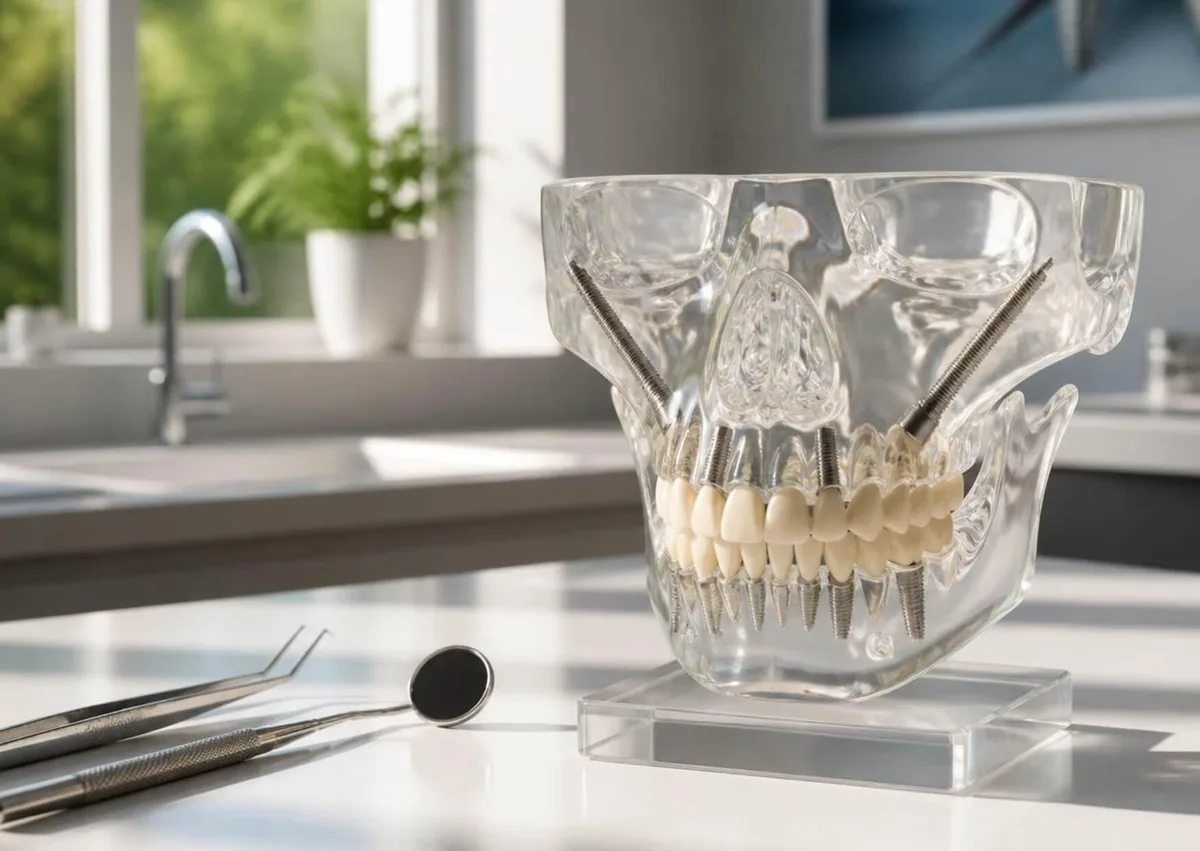
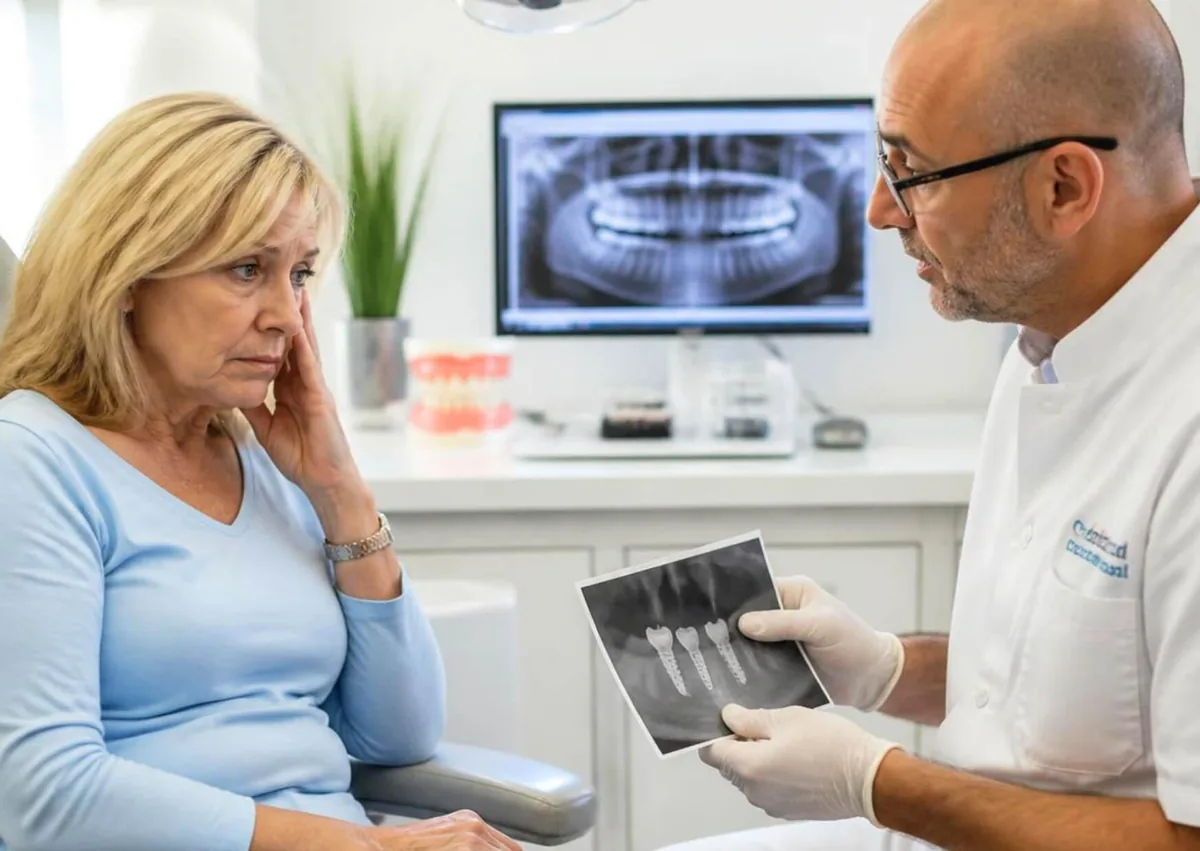
Many adults missing one or more teeth may be good candidates if they have enough bone, manageable health risks, and the ability to keep the area clean. A dentist usually reviews your medical and dental history, checks your gums and bite, and uses X-rays or 3D imaging to evaluate bone and nearby structures.
Bone grafting may be recommended if the jaw is too narrow or has lost significant volume. Active gum disease, uncontrolled medical conditions, heavy tobacco use, and certain medications or treatment histories may require added planning or make treatment less predictable.
Alternatives include a conventional bridge, a removable partial denture, or a complete denture. These options may cost less upfront or take less time, but they differ in stability, maintenance, effect on neighboring teeth, and expected longevity; many patients also compare the cost of dental implants before deciding.
Treatment often starts by removing a non-restorable tooth if needed, controlling infection or gum disease, and completing any necessary grafting. Some grafts need several months to heal before implant placement, although the timing depends on the site and the overall treatment plan.
After the implant is placed, osseointegration commonly takes about three to six months. A temporary tooth may be possible during healing, but immediate placement or immediate loading is not right for every case.
Patients often ask about implant surgery when discussing the placement and healing phase. Once the implant is stable, the dentist attaches an abutment and then places the final crown, bridge, or denture.
Straightforward cases may be completed within a few months. More complex cases, especially those involving grafting, healing delays, or full-arch treatment, can take longer.
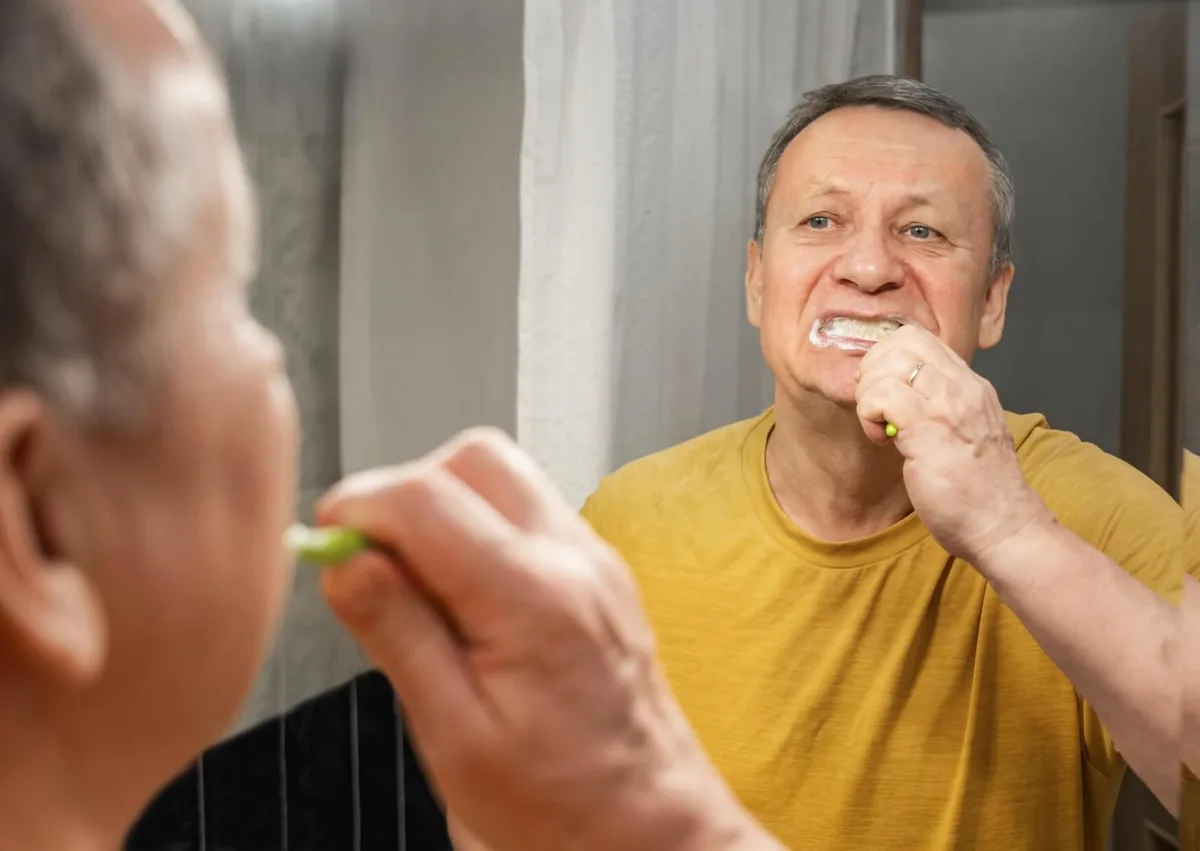
Brush twice a day with a soft-bristled toothbrush and clean around the implant every day using floss, interdental brushes, or other tools recommended for your restoration. Implant bridges and dentures often need special cleaning underneath, where plaque and food can collect.
Keep regular exams and professional cleanings at the interval your dental team recommends. These visits help monitor gum health, bone levels, bite forces, restoration wear, and early loosening that may not cause pain yet.
If you grind or clench your teeth, nightguards for teeth grinding may help protect the restoration. Avoid tobacco, do not use implant-supported teeth to chew ice or open packages, and get evaluated promptly if your bite suddenly feels different.
Implants can provide strong chewing support, help preserve bone in the treated area, and avoid reshaping neighboring teeth the way some traditional bridges do. They are durable, but they are not maintenance-free, and repairs may still be needed even when the implant itself remains stable.
Contact a dentist promptly if you notice persistent bleeding, swelling, pus, worsening soreness, gum recession, a bad taste, or a restoration that feels loose. An implant post that moves needs urgent dental evaluation, especially if the area is becoming more painful or swollen.
Seek urgent care for rapidly spreading facial swelling, fever with dental swelling, trouble swallowing, or trouble breathing.
It makes sense to schedule an implant consultation when a tooth cannot be saved, a tooth has already been lost, or an existing bridge or denture no longer feels stable or comfortable.
To confirm whether implants are right for your situation and to plan the steps that maximize long-term success, arrange a consultation with an implant dentist.
Call Tabor Dental Associates about dental implants in Hendersonville, TN, serving patients from Nashville and Goodlettsville at (615) 822-3200 to schedule an appointment.
Yes, the implant post may last for life, but that is never guaranteed. The crown, bridge, or denture attached to it often needs maintenance, repair, or replacement sooner.
Many implant crowns last about 10 to 15 years, and some last longer. Grinding, bite forces, restoration material, oral hygiene, and accidental damage all affect when replacement becomes necessary.
In many cases, the restoration or a connecting screw develops a problem while the implant remains stable. If infection or bone loss affects the implant itself, a dentist must determine whether it can be treated or whether removal and later replacement should be considered.
Implants often have excellent long-term survival and do not require reshaping healthy neighboring teeth. In some situations, fixed bridges may still be the better choice, so durability should be weighed alongside bone health, treatment time, cost, anatomy, and patient preferences.
They require consistent cleaning, not aggressive cleaning. The best tools depend on whether you have a crown, bridge, or denture, so personalized instructions from your dentist or hygienist are helpful.