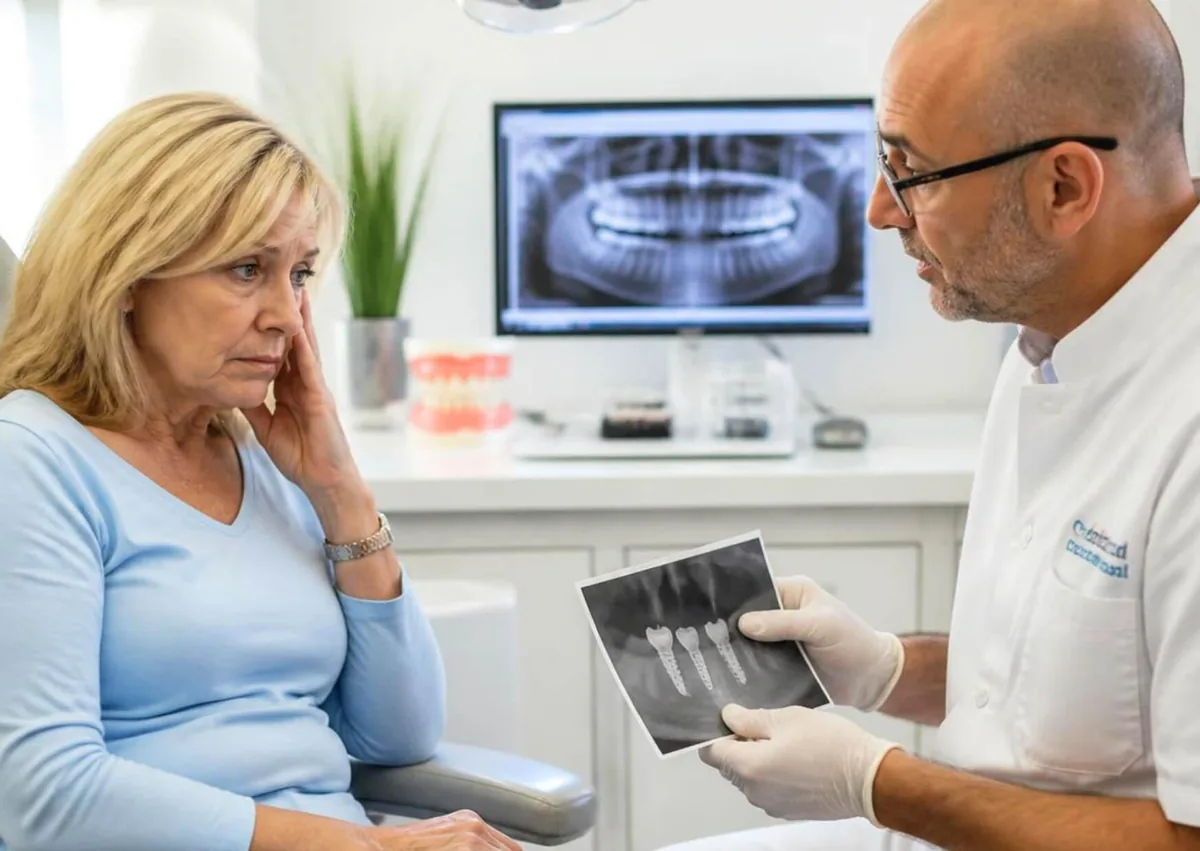
Cosmetic dentistry can improve tooth color, shape, spacing, and overall smile appearance, while restorative treatment can rebuild teeth that are damaged or missing. The right option depends on your oral health, bite, available tooth structure, goals, and budget, so the best first step is a dental exam rather than choosing a procedure based on appearance alone.
If you're weighing multiple cosmetic concerns like stains, chips, spacing, or missing teeth, a smile makeover can organize treatment into one clear plan. Tabor Dental Associates in Hendersonville, TN helps patients combine procedures for balanced aesthetics, comfortable function, and more predictable results.
Teeth can change over time for many reasons. Staining may come from foods, tobacco, aging, certain medications, or changes inside the tooth itself.
Chips, cracks, worn edges, uneven spacing, and older fillings or crowns can also affect how a smile looks and functions. Decay and gum disease may weaken the teeth and the tissues that support them.
A missing tooth is more than a cosmetic issue. Nearby teeth can drift, the opposing tooth may move into the open space, chewing forces can become less balanced, and the jawbone in that area often shrinks when it no longer receives stimulation from a tooth root.
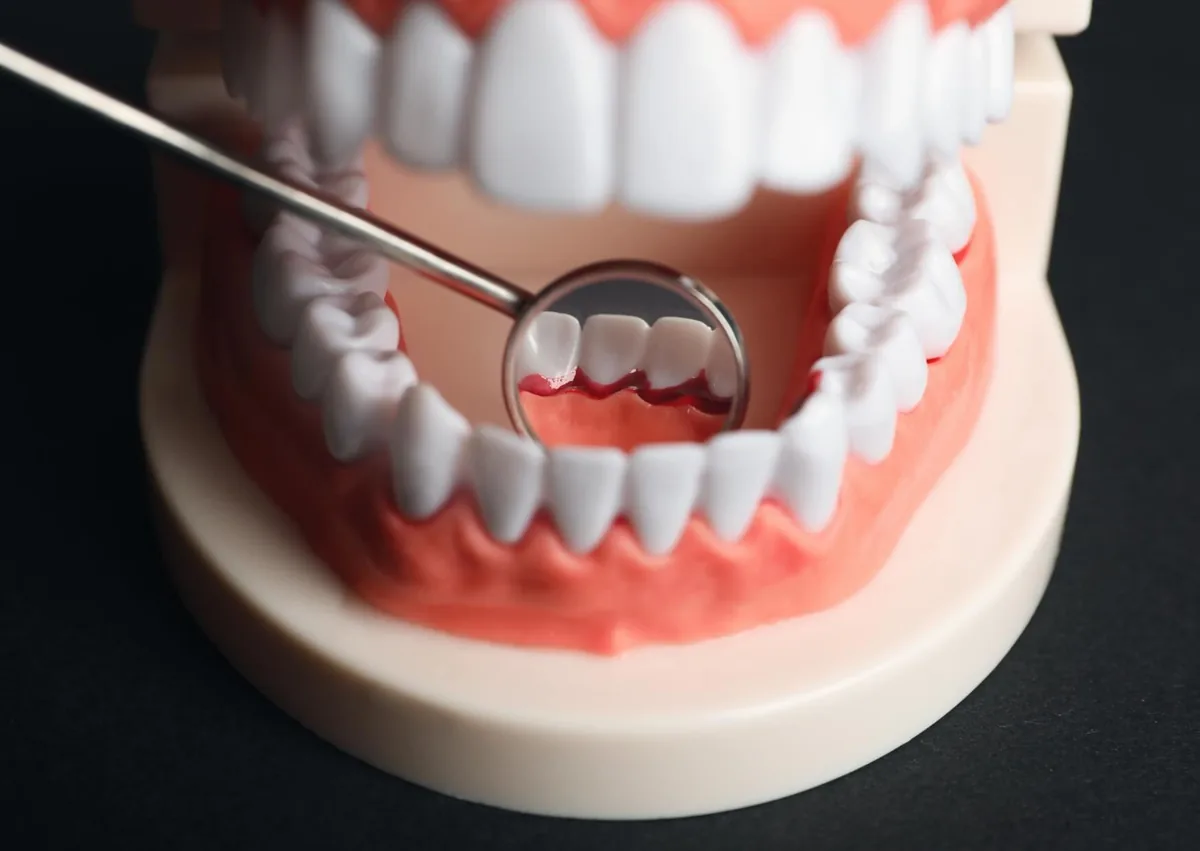
Some concerns that seem cosmetic may point to an active dental problem. Pain, sensitivity, bleeding gums, loose teeth, or rapid wear should be evaluated before whitening, veneers, or other elective treatment.
Professional teeth whitening can lighten many stains in natural enamel, but it does not change the color of fillings, crowns, veneers, or implants. The ADA notes that natural teeth can be whitened, not tooth-colored restorations.
Results depend on the cause of discoloration. Temporary tooth sensitivity or gum irritation can occur.
Dental bonding uses tooth-colored resin to repair small chips, close limited spaces, or refine tooth shape. It usually requires less tooth alteration than a veneer, but it may stain, wear, or chip sooner than porcelain.
For a direct comparison, see bonding vs. veneers.
Porcelain veneers cover the front surfaces of selected teeth and may improve color, shape, wear, or minor alignment concerns. They often require removal of some enamel, so treatment is usually irreversible.
Veneers are not ideal for every bite or for every damaged tooth. Careful planning matters.
Crowns cover most or all of the visible tooth and are often used when a tooth needs significant structural support. A crown requires more tooth reduction than bonding or a veneer, so it should not be used only for convenience when a more conservative option can meet the need.
For help comparing front-tooth restorations, see crowns vs. veneers.
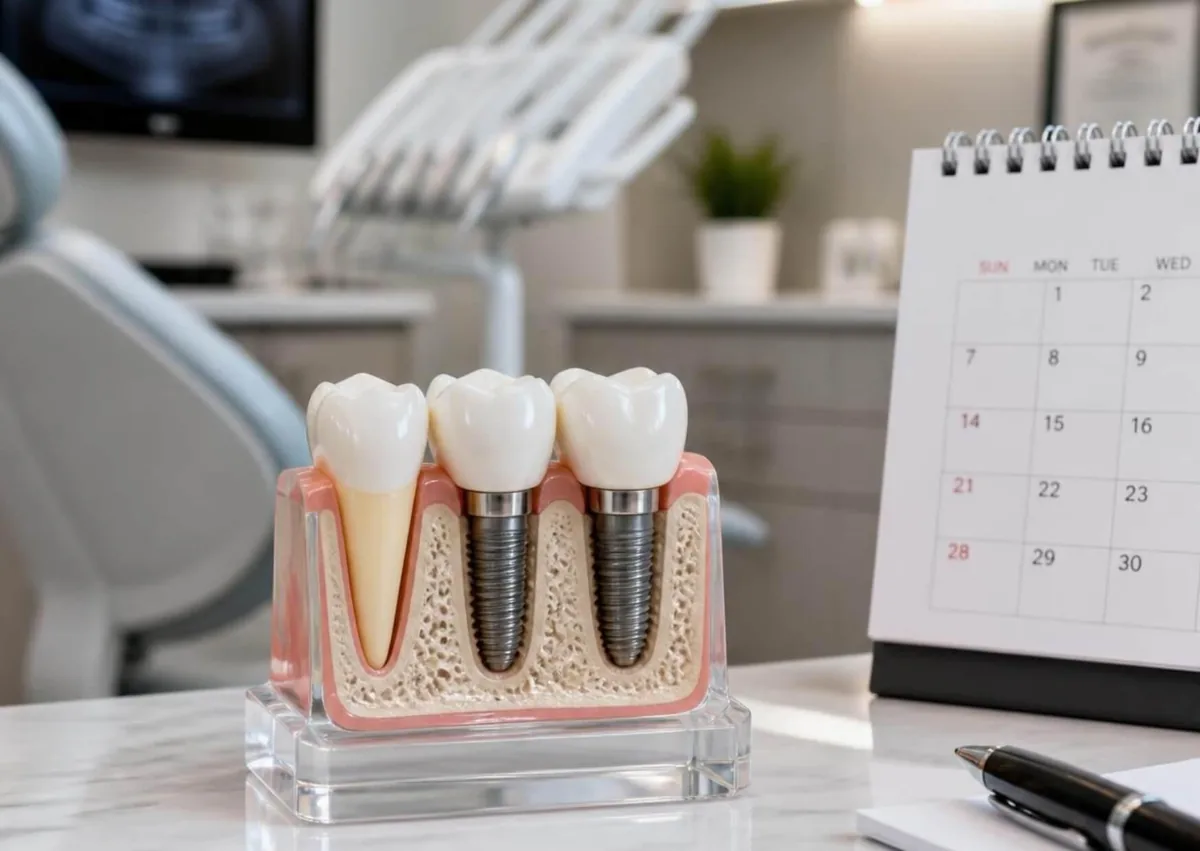
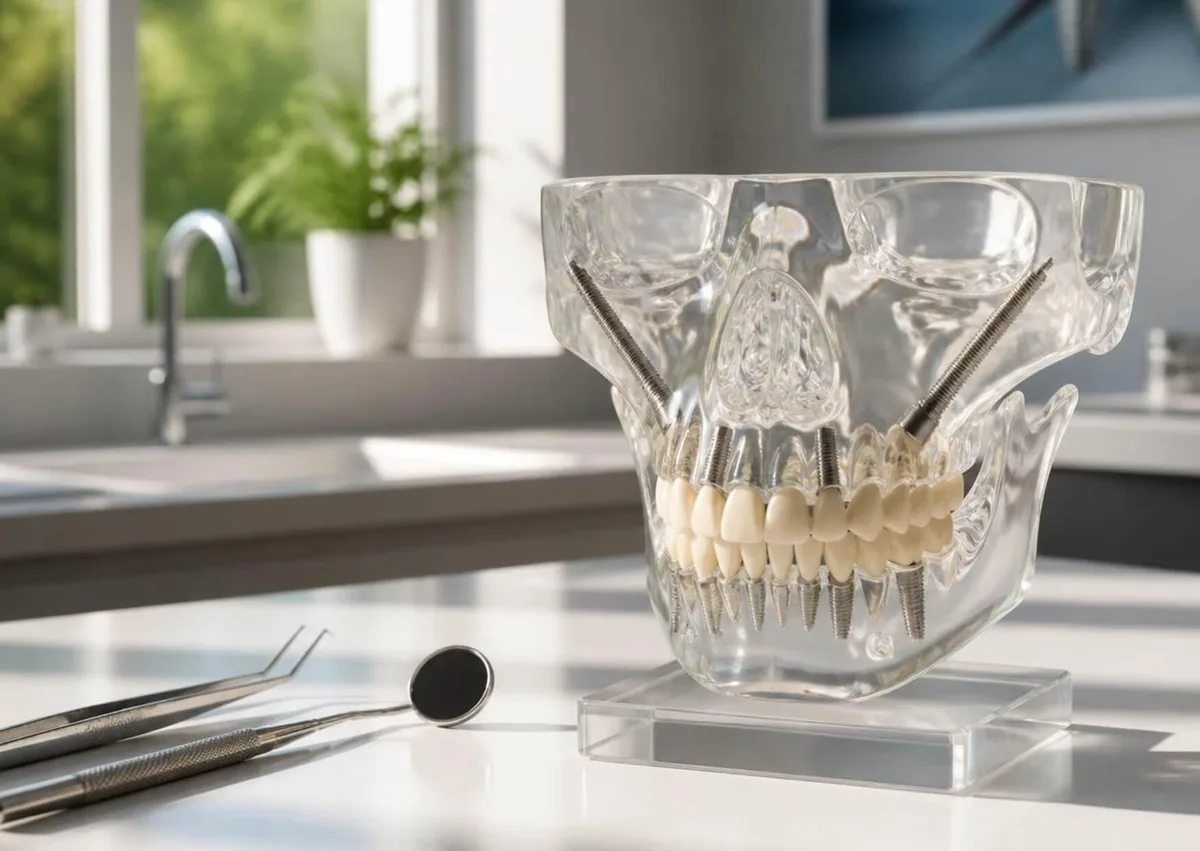
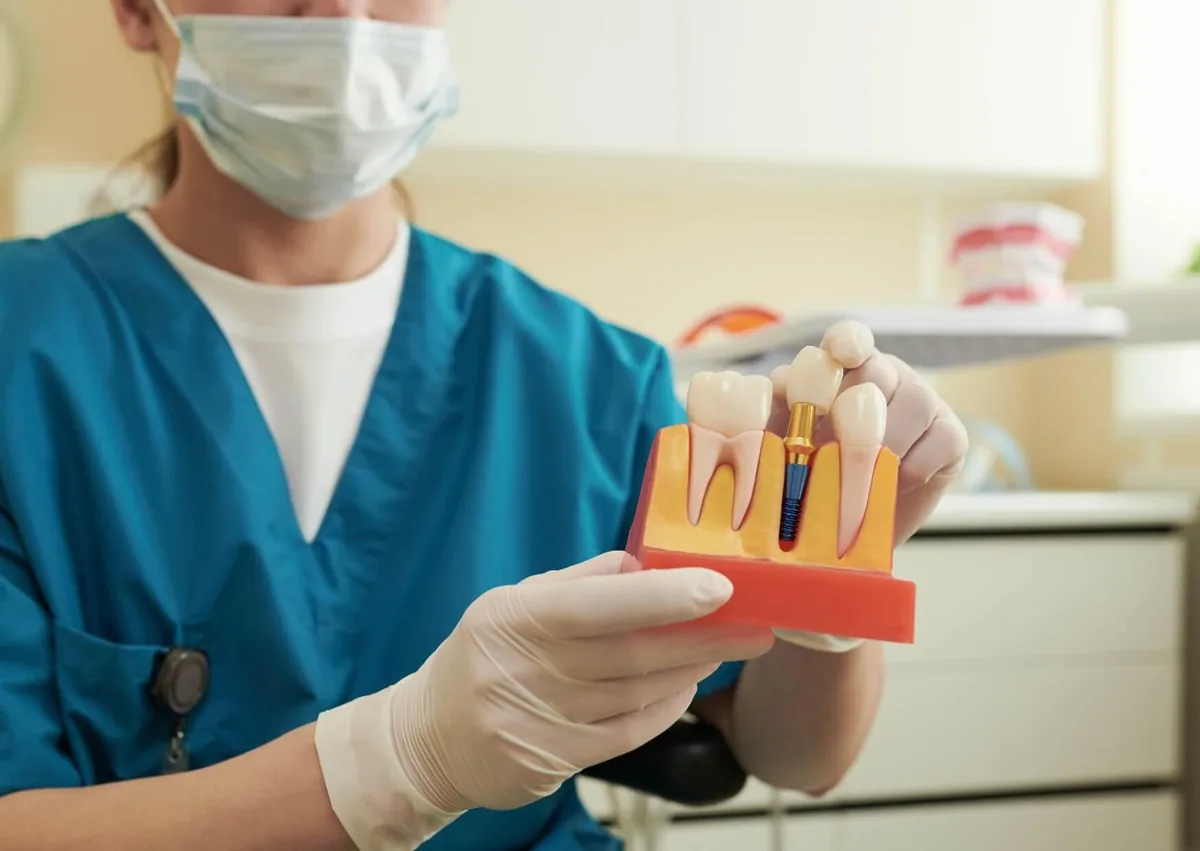
Dental implants are posts placed in the jawbone to support a crown, bridge, or denture. They can replace a tooth without preparing neighboring teeth, but they require adequate bone, healthy gums, reliable healing, and long-term home care.
For a fuller review, see dental implants pros and cons.
A fixed bridge replaces a missing tooth by using adjacent teeth or implants for support. A tooth-supported bridge may make sense when neighboring teeth already need crowns, but it requires preparing those teeth and does not replace the missing root.
A removable partial or complete denture can replace several or all missing teeth. Dentures are removed for cleaning and usually for sleep, and while they can restore appearance and function, their stability and chewing efficiency may differ from natural teeth or implant-supported options.
No replacement lasts forever in every case. Implants, crowns, bridges, veneers, and dentures may eventually need repair or replacement because of wear, fracture, decay, gum changes, or bite changes.
A cosmetic evaluation usually looks at the teeth, gums, bite, jaw joints, and existing dental work. X-rays, photographs, digital scans, or models may be needed to find decay, infection, bone loss, cracks, or bite problems that are not obvious from appearance alone.
Healthy teeth and gums are the foundation of cosmetic treatment. Active decay and gum disease usually need to be controlled first, and grinding, clenching, dry mouth, tobacco use, or uncontrolled health conditions can affect both treatment choice and longevity.
For implants, candidacy also depends on bone quantity and quality, the location of nerves and sinuses, medical history, and healing capacity. Periodontal guidance also emphasizes adequate bone to support an implant.
Bone grafting may be considered when bone volume is limited. It can add cost and healing time, and it does not guarantee implant success.
Your goals matter too. A dentist should explain what changes are realistic, whether restorations will match nearby teeth, how much tooth structure must be altered, and what future maintenance is likely to involve.
Treatment can range from one visit for small bonding changes to several months for orthodontics, implants, or complex reconstruction. Whitening and bonding are often completed quickly, while veneers and crowns commonly involve preparation, temporary restorations, and a later placement visit.
Implant treatment often includes implant placement, a healing period while bone attaches to the implant surface, and delivery of the final restoration. The timeline depends on the site, bone condition, need for grafting, medical factors, and whether a temporary tooth can be used safely.
Mild sensitivity or gum soreness may happen after some cosmetic procedures. Surgical treatment can also cause temporary swelling, bruising, or discomfort.
Patients should follow their dentist's instructions and report symptoms that are severe, worsening, or lasting longer than expected. Facial swelling, fever, pus, uncontrolled bleeding, difficulty breathing or swallowing, or trauma involving a loose or displaced tooth needs prompt attention.
Breathing or swallowing difficulty, rapidly spreading swelling, or heavy bleeding warrants emergency care.
Daily brushing with fluoride toothpaste, cleaning between teeth, and regular professional care help protect both natural teeth and restorations. Even though crowns, veneers, and implant crowns cannot get cavities themselves, decay can still form at restoration margins, and gum disease can damage tissues around teeth and implants.
Avoid chewing ice, opening packages with your teeth, or biting hard objects. A custom nightguard may be recommended if grinding or clenching puts restorations at higher risk.
Whitening may need periodic touch-ups because natural teeth can stain again. Restorative materials do not lighten with whitening products, so planning the order of whitening and tooth-colored restorations can improve color matching.
Cosmetic dentistry can improve smile symmetry, tooth color, chewing comfort, and confidence, especially when treatment also restores damaged or missing teeth. The best results usually come from conservative planning that preserves healthy enamel and addresses disease or bite problems before appearance.
Limits may include cost, sensitivity, healing time, color mismatch, material wear, and the need for future repair or replacement. Results also depend on oral hygiene, diet, tobacco exposure, grinding, health conditions, and follow-up care.
If you are considering several changes at once, ask whether a smile makeover could organize treatment into a staged, predictable plan. Schedule a consultation when discoloration, chips, wear, spacing, older restorations, or missing teeth affect appearance or function.

An evaluation is especially important when symptoms are persistent, worsening, painful, or unclear. It helps compare conservative and comprehensive options before treatment begins.
A consultation helps compare conservative and comprehensive options and creates a realistic plan tailored to your goals and oral health.
Call Tabor Dental Associates in Hendersonville, TN, serving nearby Nashville and Goodlettsville, for a smile makeover consultation at (615) 822-3200 or request an appointment online.
No. Some procedures are mainly elective, but crowns, implants, bridges, and bonding can also restore strength, function, or missing tooth structure. The line between cosmetic and restorative dentistry often overlaps.
Longevity depends on the procedure, material, bite, hygiene, and daily habits. Whitening may fade, bonding may need polishing or repair, and veneers, crowns, bridges, and implants all need ongoing monitoring. Many restorations may eventually need replacement. For more detail, see how long veneers last.
Insurance often excludes treatment done only to improve appearance. It may provide partial coverage when a procedure is medically or functionally necessary, but benefits, exclusions, waiting periods, and annual limits vary by plan. For local guidance, review dental insurance coverage.
They can, but untreated disease may shorten the life of cosmetic restorations and complicate care. Dentists usually treat active infection, decay, and gum inflammation first to create a healthier and more predictable foundation.
Comfort depends on the procedure and the patient. Many treatments involve little or temporary discomfort, while surgery or more extensive tooth preparation may require local anesthesia and a healing period. Severe or worsening pain should be reported promptly.