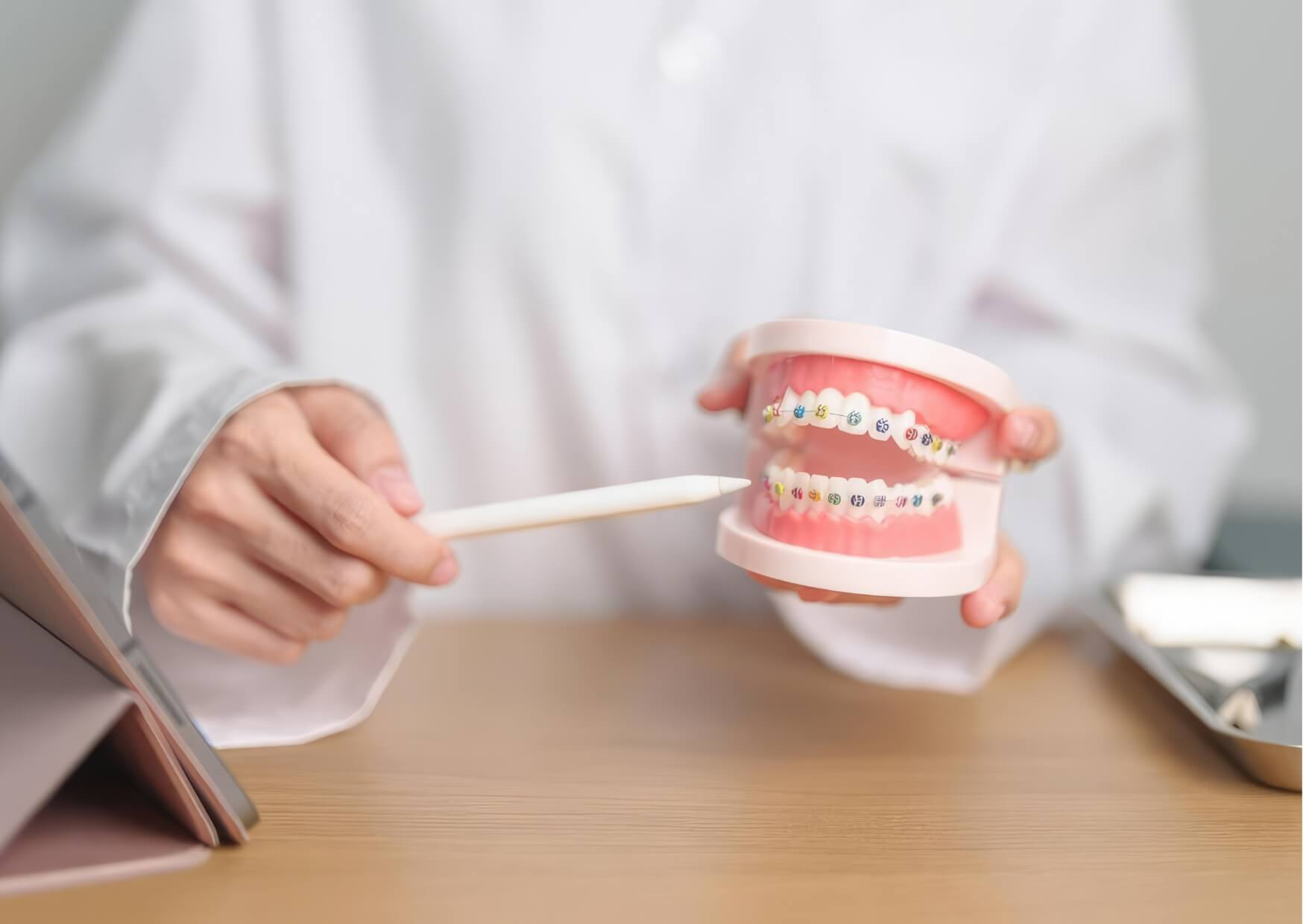
Nightguards for teeth grinding create a protective barrier between upper and lower teeth to reduce pressure caused by clenching and nighttime grinding. Nightguards may help limit enamel wear, reduce jaw strain, and protect teeth from repeated bite forces depending on grinding intensity and oral conditions.
At Tabor Dental Associates, patients often begin with a TMJ treatment evaluation because jaw discomfort, facial tension, and teeth grinding frequently occur together.
What it is: A custom oral appliance designed to reduce damage from nighttime clenching and grinding
Who it is for: Adults and teens experiencing bruxism, jaw discomfort, worn teeth, or clenching habits
Main benefits:
Limitations:
Timeline / durability: Custom nightguards often last several years depending on grinding force, material thickness, and maintenance habits.
Teeth grinding, also called bruxism, involves repetitive clenching or grinding forces that place pressure on teeth, muscles, and jaw joints.
Bruxism commonly occurs during sleep, although some patients grind during waking hours under stress or concentration.
Common contributing factors include:
Cause → effect relationships often develop gradually.
For example:
Nightguards help absorb and redistribute force created during grinding episodes.
Grinding creates repeated mechanical stress across biting surfaces. Pressure concentration increases stress on enamel and surrounding structures. Protective appliances create separation between biting surfaces and reduce direct contact.
Custom nightguards commonly help:
For example, patients with porcelain crowns or veneers sometimes benefit from appliance protection because grinding forces can accelerate restoration wear.
Patients with severe clenching patterns sometimes combine appliance use with sleep apnea treatment because airway disruptions and nighttime grinding occasionally occur together.
Teeth grinding often creates symptoms that appear gradually instead of suddenly.
Common symptoms include:
Symptom progression often follows predictable patterns.
For example, repeated grinding pressure may slowly flatten teeth before discomfort becomes noticeable.
Long-term pressure can increase chewing strain and affect surrounding jaw structures.
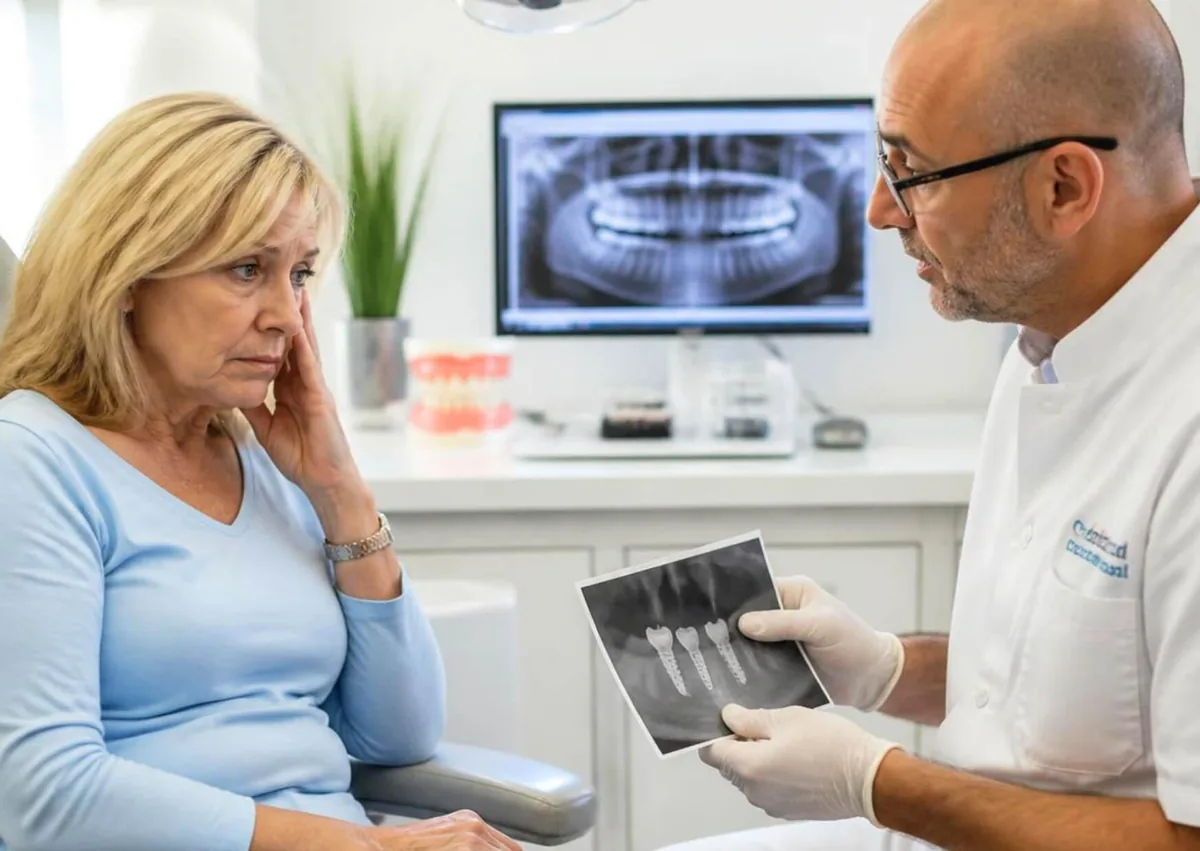
Nightguard evaluations identify wear patterns, bite pressure, and possible causes of grinding behavior.
Dentists commonly examine:
Digital imaging and scans may also assist with evaluation.
Advanced imaging and digital evaluation technology may help identify wear patterns, bite pressure distribution, and structural changes associated with chronic grinding habits.
If wear patterns appear severe, patients may also require same-day crowns when grinding damage affects structural stability.
Custom nightguards and over-the-counter devices differ in fit, durability, and bite precision.
| Feature | Custom Nightguard | Store-Bought Guard |
| Fit precision | Personalized | Generic |
| Bite alignment | Customized | Limited |
| Comfort | Higher | Variable |
| Material durability | Stronger | Lower |
| Wear protection | More targeted | General |
Store-bought products may help temporary situations, but poor fit sometimes creates uneven pressure.
Custom appliances distribute force more evenly because they are designed around the patient's anatomy.
Some grinding cases involve underlying conditions that require broader care.
Additional evaluation may become appropriate for:
Condition relationships frequently overlap.
For example, sleep disruptions may contribute to nighttime muscle activity. Airway restrictions may increase clenching behavior in some patients.
The National Institute of Dental and Craniofacial Research explains that bruxism sometimes occurs alongside sleep disorders and jaw conditions.
Teeth grinding can place excessive force on restorations and cosmetic dentistry.
Repeated pressure may affect:
For example, grinding pressure can create microfractures that gradually weaken restorative materials.
Protective appliances may help preserve restorative investments over time.
Nightguards usually protect against damage rather than eliminate grinding behavior. Grinding causes often involve stress, sleep patterns, jaw conditions, or airway factors.
Custom appliances often last several years depending on material type and grinding intensity.
Children sometimes grind teeth during growth and development stages. Evaluation recommendations depend on symptoms and wear patterns.
Nightguards may help reduce pressure on jaw structures and decrease muscle strain in some situations.
Grinding can increase fracture risk because repeated force places stress on enamel and restorations.
Store-bought appliances may provide temporary protection, although customized designs often improve fit and force distribution.
Teeth grinding commonly develops from stress, airway changes, bite imbalance, muscle activity, or sleep-related factors. Repetitive pressure can gradually contribute to worn enamel, jaw discomfort, fractures, and restoration damage over time.
If you are noticing morning headaches, jaw soreness, tooth sensitivity, or visible wear patterns, a dental evaluation may help determine whether grinding behavior is affecting oral health. If this applies to your symptoms, identifying pressure patterns and contributing factors may clarify appropriate treatment options.
Tabor Dental Associates provides personalized care focused on protecting long-term oral function, comfort, and smile health. Patients considering a nightguard can request a consultation to evaluate symptoms, bite patterns, and appropriate next steps.