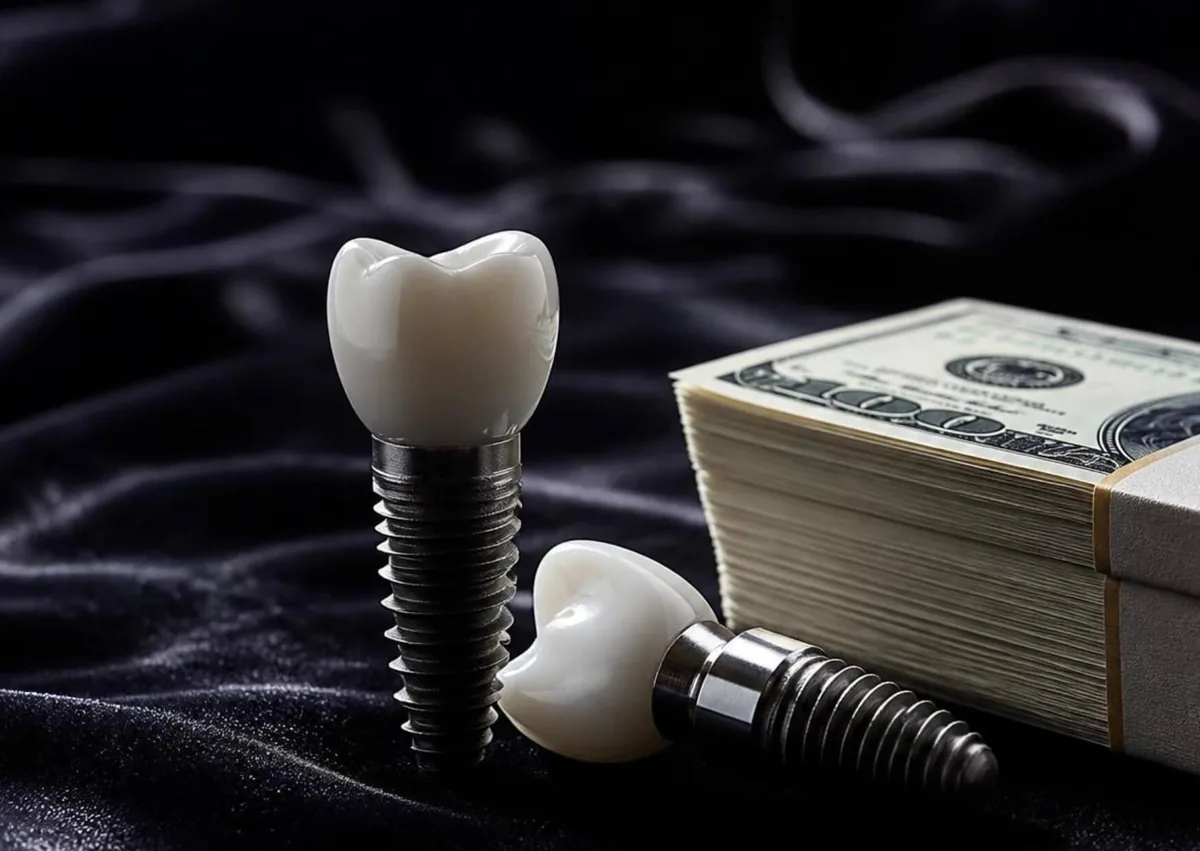
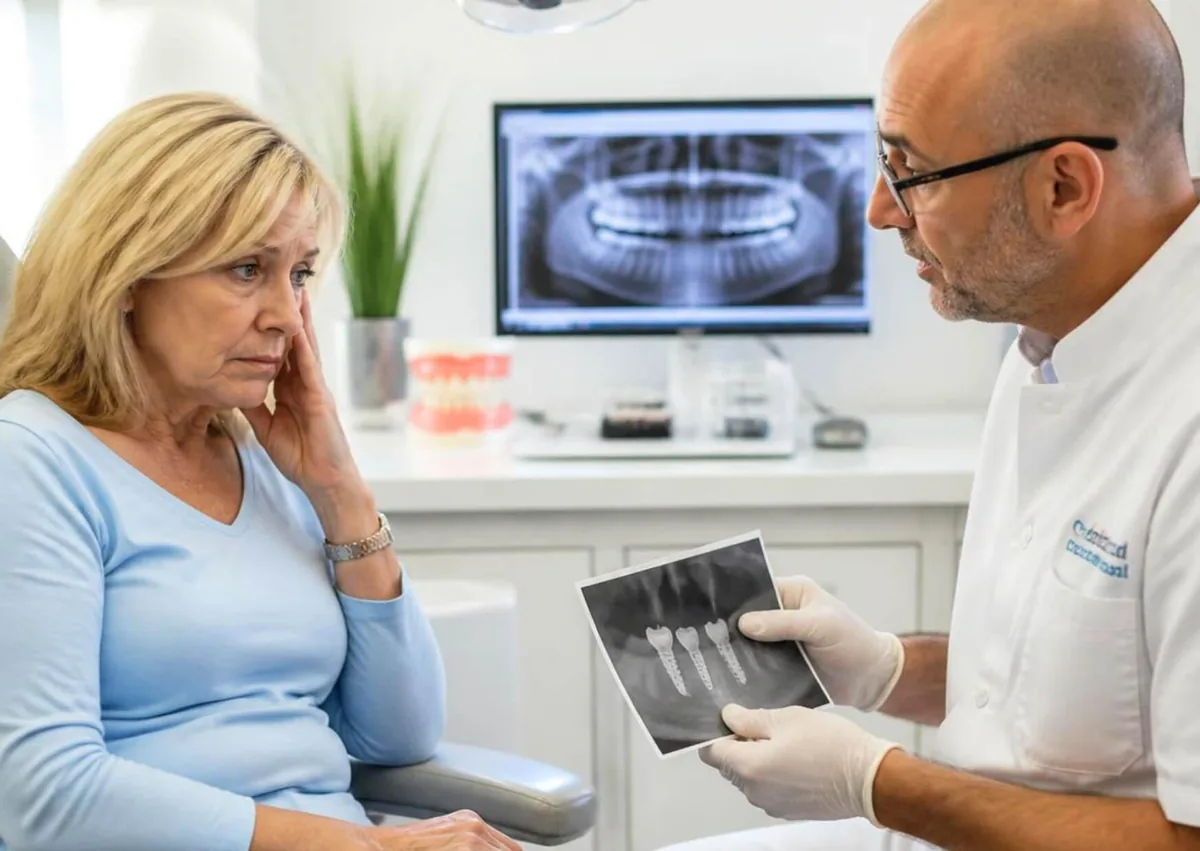
Not everyone needs a bone graft before getting dental implants. You may need one if your jawbone is too thin, too short, or not dense enough to hold an implant securely, but only an exam and 3D imaging can confirm that.
If you are worried that bone loss could delay or prevent implant treatment, learning about bone grafting can help you understand whether rebuilding the area is necessary or whether a simpler option may work.
Tabor Dental Associates in Hendersonville, TN explains graft options, expected timelines, and how added bone support can make implants more stable and predictable.
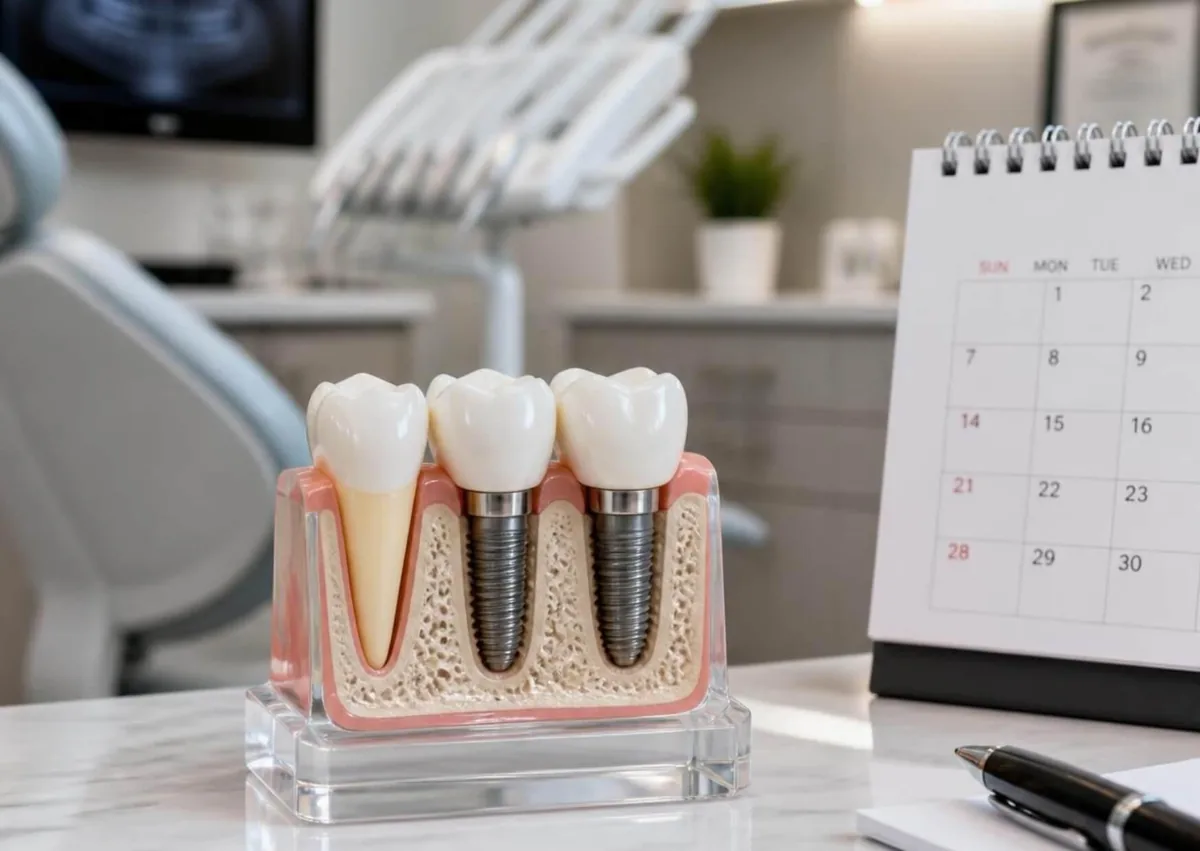
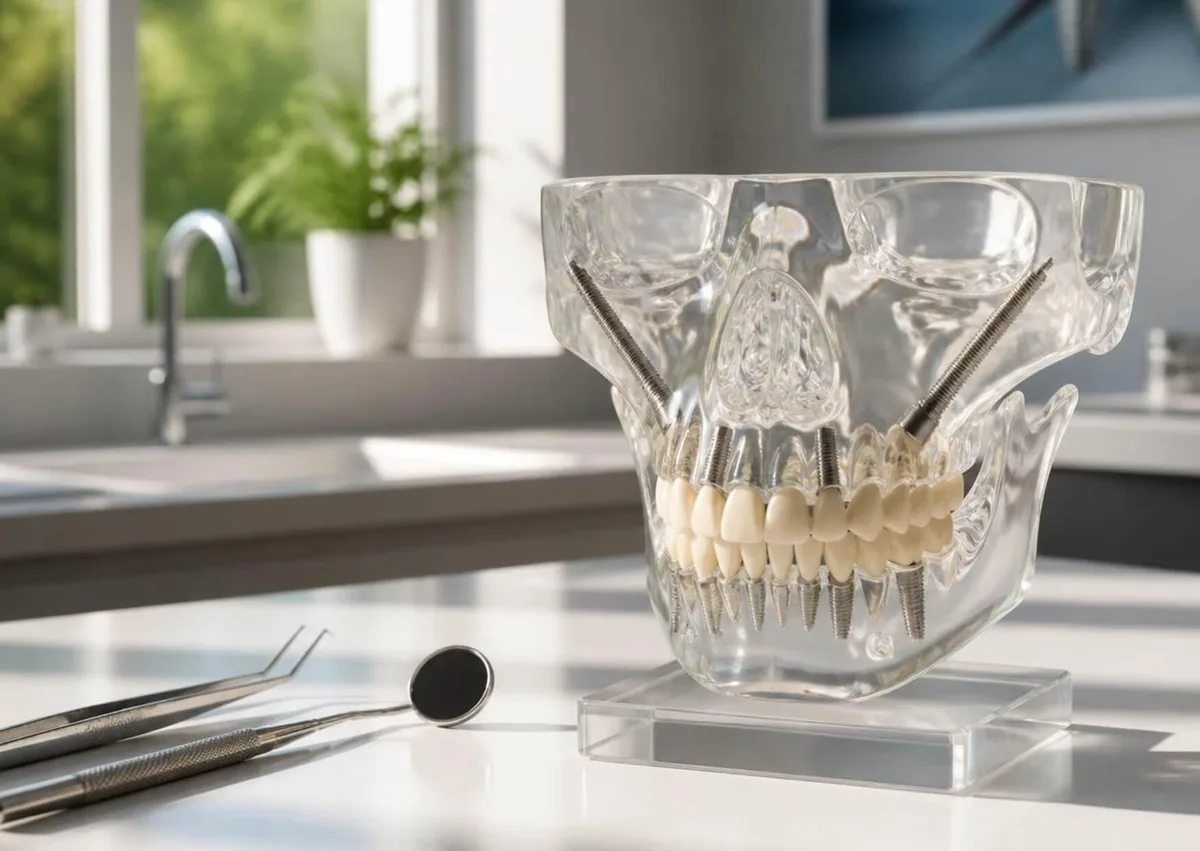
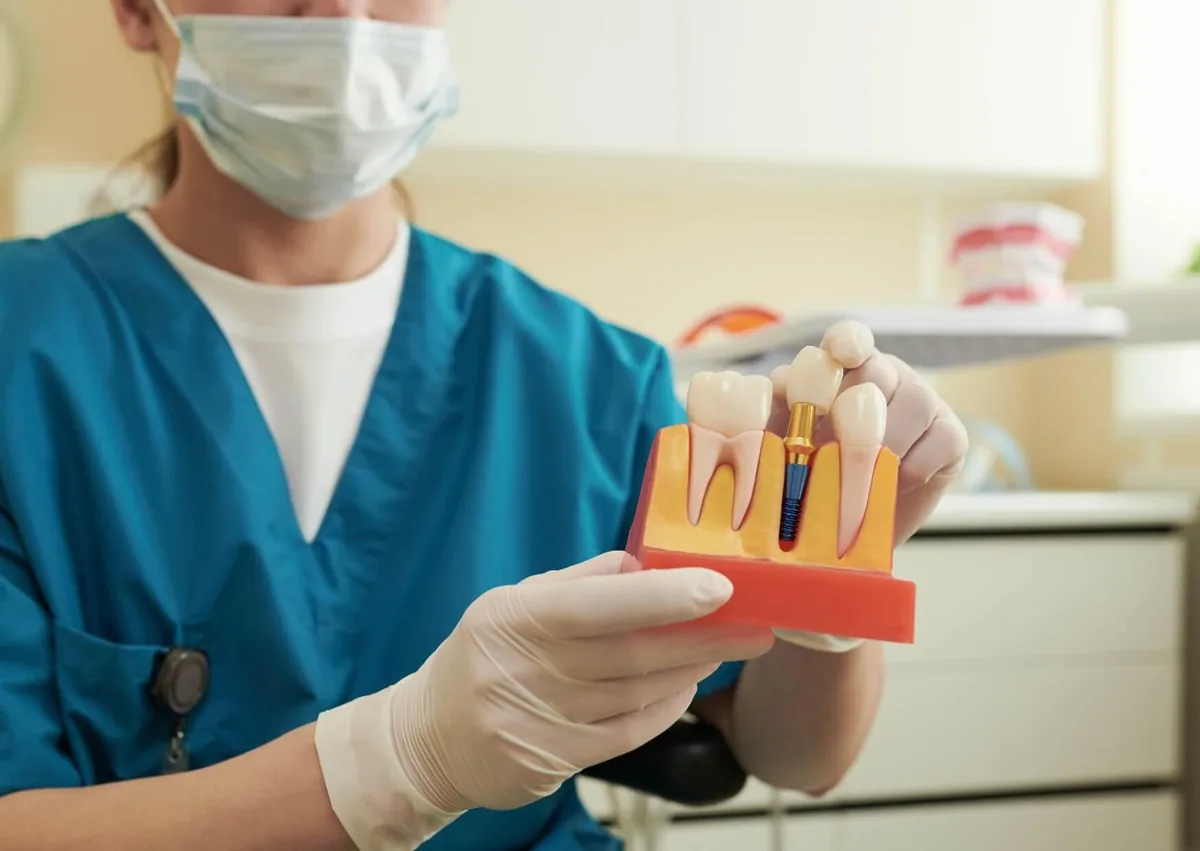
A dental implant is a small post placed in the jaw to support a crown, bridge, or denture. For long-term success, the implant needs enough healthy bone around it so the bone can heal tightly to its surface.
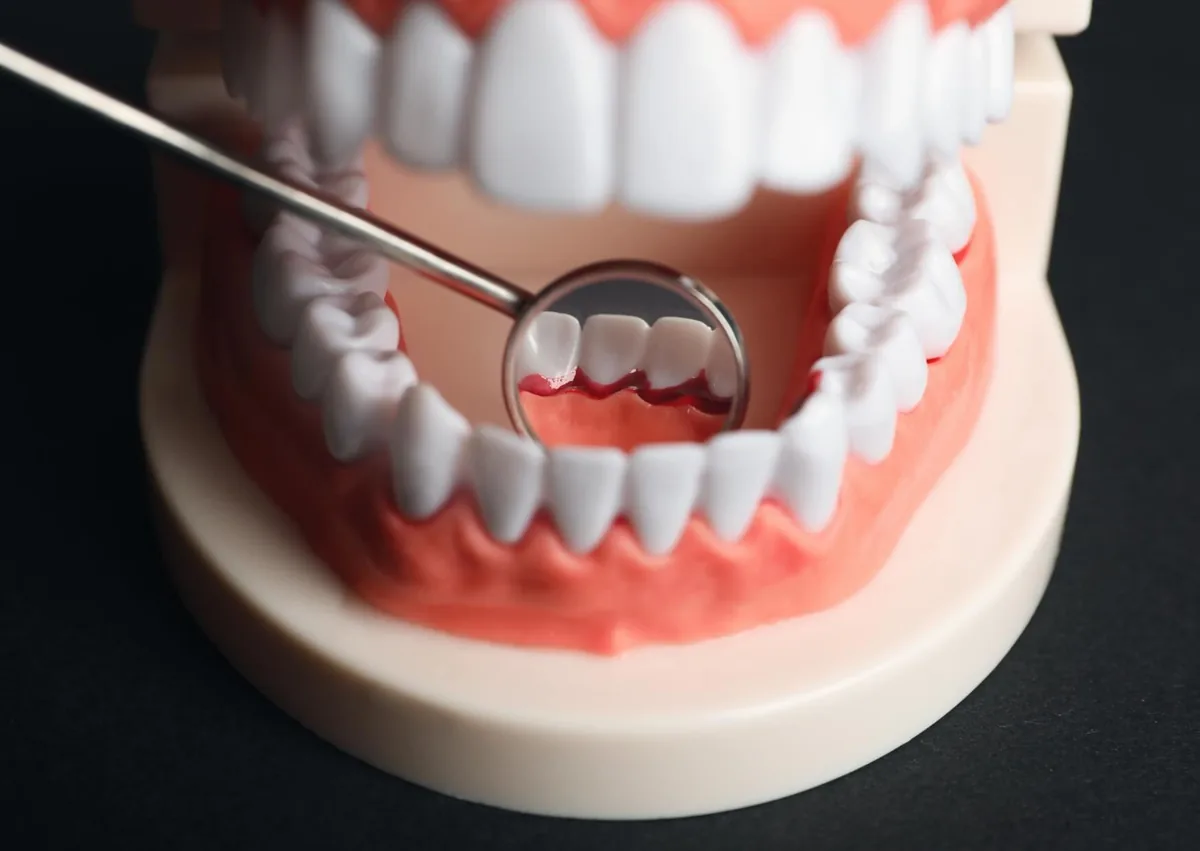
After a tooth is removed, the jawbone often begins to shrink because it no longer receives stimulation from the tooth root. Bone loss can also result from gum disease, infection, injury, long-term denture wear, or naturally thin jaw anatomy.
The tooth's location matters too. Upper back teeth may have limited bone below the sinus, while lower back teeth require careful planning around a major nerve.
The evaluation usually includes a review of your dental and medical history, an exam of your gums and bite, and imaging. A CBCT scan gives a 3D view of the jaw and helps measure bone height, width, and nearby anatomy.
Your dentist or implant specialist will also look at:
Bone loss does not automatically mean you cannot get implants. It may simply change the grafting approach, implant position, number of procedures, or type of restoration recommended.
Bone grafting may be recommended when imaging shows that an implant would not have enough bone support. Common reasons include a narrow ridge, bone loss from advanced periodontal disease, a defect after infection, or limited upper-jaw bone below the sinus.
If a tooth is being removed, the dentist may place graft material into the socket to help preserve its shape. This is called socket preservation, and it may reduce shrinkage, though it does not guarantee that no further grafting will be needed.
You may not need a graft if the jaw already has enough healthy bone and the implant can be placed safely. In some cases, a small graft can be done at the same visit as implant placement instead of as a separate procedure.
The right procedure depends on the size and location of the defect. Common options include:
Graft material may come from processed human donor bone, animal-derived material, synthetic material, or bone taken from another area of the patient's body. These materials generally act as a framework that supports new bone formation, and the best choice depends on the clinical situation and patient preferences.
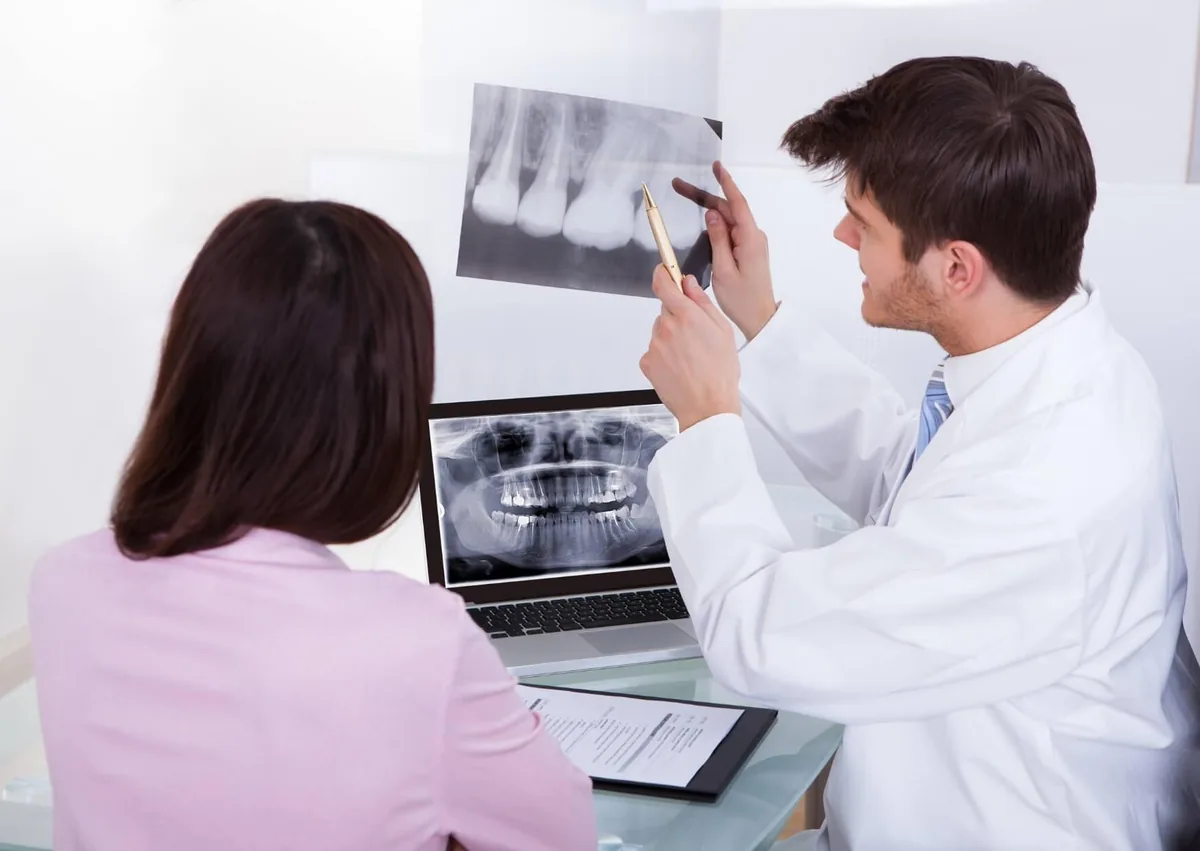
Bone grafting is commonly done with local anesthesia, and sedation may be available depending on the procedure and your needs. The dentist prepares the site, places the graft material, and may cover it with a protective membrane before closing the gum tissue with sutures.
Mild swelling, tenderness, bruising, and light bleeding are common early in recovery. Follow your dentist's instructions for cleaning, eating, activity, and medications rather than changing care on your own.
Healing time varies based on the graft size, location, and your overall health. A graft may need several months to mature before implant placement, although smaller grafts can sometimes be done at the same time as the implant.
After the implant is placed, it also needs time to integrate with the jaw before the final crown, bridge, or denture is attached. From grafting to the final tooth, treatment often takes several months and may take longer in more complex cases.
A successful graft can create the support needed for an implant and help place the restoration in a stable, functional position. It may also improve the contour of the jaw where bone loss would otherwise make implant placement difficult.
Grafting does not guarantee implant success. Infection, graft exposure, poor bone formation, uncontrolled gum disease, certain medical conditions, poor home care, and nicotine use can all affect healing.
Some patients may have alternatives, such as a traditional bridge, removable partial denture, or a different implant plan. Each option involves tradeoffs in surgery, treatment time, maintenance, cost, and the effect on nearby teeth; for a broader comparison, read dental implants pros and cons.
Keep all follow-up visits so your dental team can monitor healing before moving to the next stage. Once treatment is complete, brush carefully, clean around and between the restoration as directed, and keep up with regular professional exams and cleanings.
Implants cannot get cavities, but the surrounding tissues can still become inflamed and lose bone. Good plaque control and avoiding tobacco and nicotine products help protect the result.
Contact your dentist promptly if you have worsening swelling, increasing pain after initial improvement, persistent bleeding, pus, fever, a bad taste that does not go away, an exposed graft site, or a loose implant component. Seek urgent medical care for trouble breathing or swallowing, rapidly spreading facial or neck swelling, or other severe symptoms.
If you are considering an implant, do not assume that bone loss makes treatment impossible or that grafting is definitely required. An exam and proper imaging can show whether grafting is needed, when it should be done, and what alternatives may be available.
To determine whether grafting will help you reach a stable implant result, arrange an evaluation so imaging and an exam can clarify options and timing. Tabor Dental Associates focuses on bone grafting in Hendersonville with care for patients from Nashville and Goodlettsville; call (615) 822-3200 or book an appointment.
Sometimes. Simultaneous placement may be appropriate when the implant can achieve enough initial stability and the bone deficiency is limited; see our implant surgery information for typical timing and steps.
Discomfort depends on the extent of the procedure and the graft source. Local anesthesia prevents pain during treatment, and temporary soreness and swelling afterward are common.
Placing an implant without enough bone may lead to poor positioning, weak stability, tissue problems, or implant failure. If you do not want grafting, ask whether a non-implant restoration or a different implant approach is clinically reasonable.
Coverage varies by plan, the reason for treatment, and whether the graft is considered part of implant care. Ask for a written treatment plan and confirm benefits, exclusions, waiting periods, and out-of-pocket costs with your insurer; see our cost of dental implants for more on pricing.