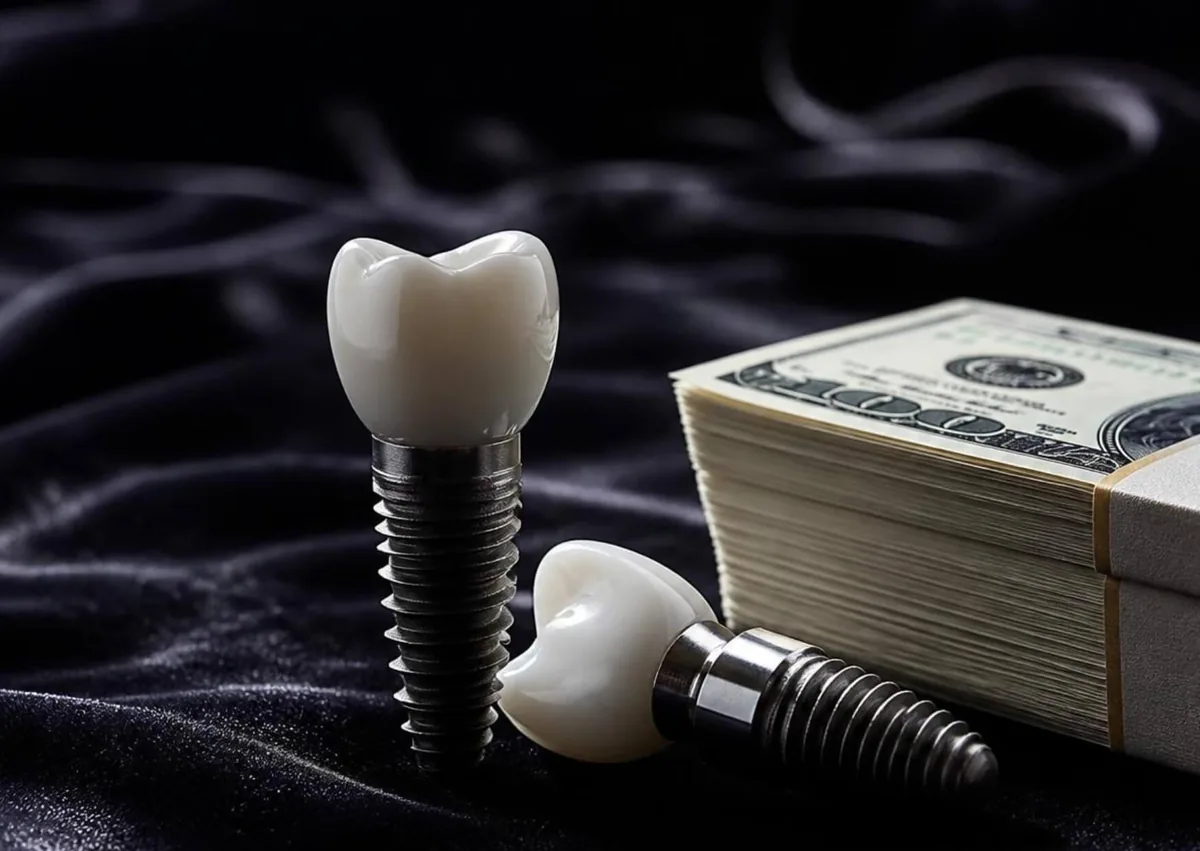
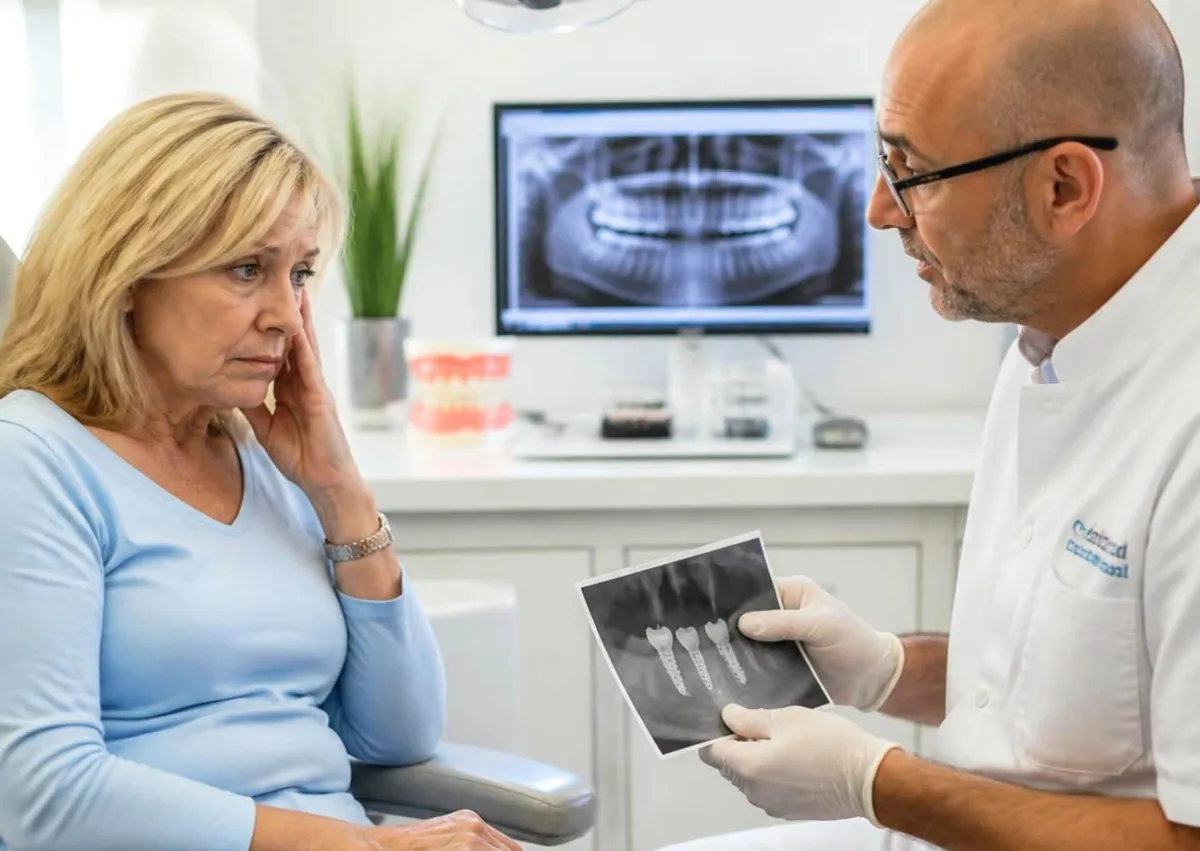
If your dental implant hurts when you chew, it should be checked by a dentist. Mild tenderness can be normal soon after surgery or crown placement, but persistent, worsening, or new pain usually means something needs attention, such as a bite problem, inflammation, infection, a loose part, bone loss, or a problem with a nearby tooth. Avoid chewing hard foods on that side until you are examined.
If your implant hurts when you chew, a focused dental implant evaluation can pinpoint whether the issue is bite-related, restorative, or infective and which repair is likely to help. Tabor Dental Associates in Hendersonville, TN assesses implants and restorations to protect function and comfort.
A dental implant itself does not have a nerve. Even so, the bone, gums, and nearby teeth around it can still hurt when chewing pressure exposes a problem.
This kind of pain often points to force, inflammation, or movement where there should be stability. Common causes include:
Yes. The timing of the pain can help narrow the cause, even though it cannot confirm the diagnosis by itself.
Some soreness is expected during early healing. Pain that starts after a period of comfort, or gets worse instead of better, deserves prompt evaluation.
|
Timing Or Pattern |
Possible Explanation |
Recommended Response |
|---|---|---|
|
Tenderness during the first several days after surgery |
Normal healing, swelling, or surgical-site irritation |
Follow postoperative instructions and contact the dentist if symptoms worsen or do not improve |
|
Pain after the crown is placed |
Bite pressure, gum irritation, or a loose component |
Arrange a bite and restoration check |
|
Pain that appears months or years later |
Inflammation, bone loss, component damage, or a nearby tooth problem |
Schedule a clinical exam and X-ray promptly |
|
Sudden pain with a pop, click, or movement |
Loose or fractured component, or loss of implant stability |
Stop chewing on the implant and seek urgent dental evaluation |
Normal healing discomfort should gradually improve. Increasing pain, new swelling, or trouble chewing is not a normal healing pattern.
Pain when biting down often suggests that pressure is the trigger. That usually points to a bite issue, a loose part, inflamed tissue, or loss of support around the implant.
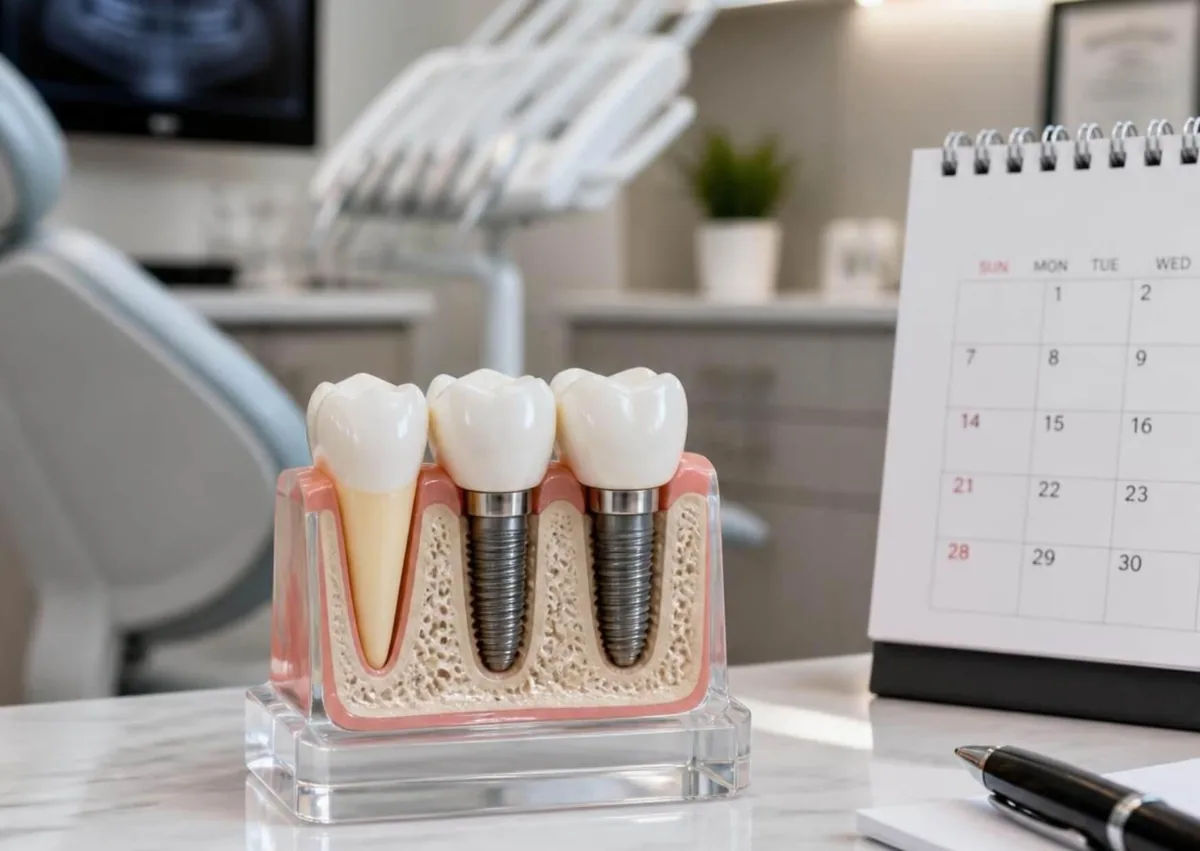
Unlike natural teeth, implants do not have a periodontal ligament that cushions force. That means even a small bite imbalance can feel significant when you chew.
Pain only under pressure does not automatically mean the implant is failing. However, it does mean the implant, restoration, and surrounding tissues should be checked before the problem worsens.
The exam usually starts with a few key questions. Your dentist may ask when the pain began, whether it happens only when chewing, and whether the implant feels loose.
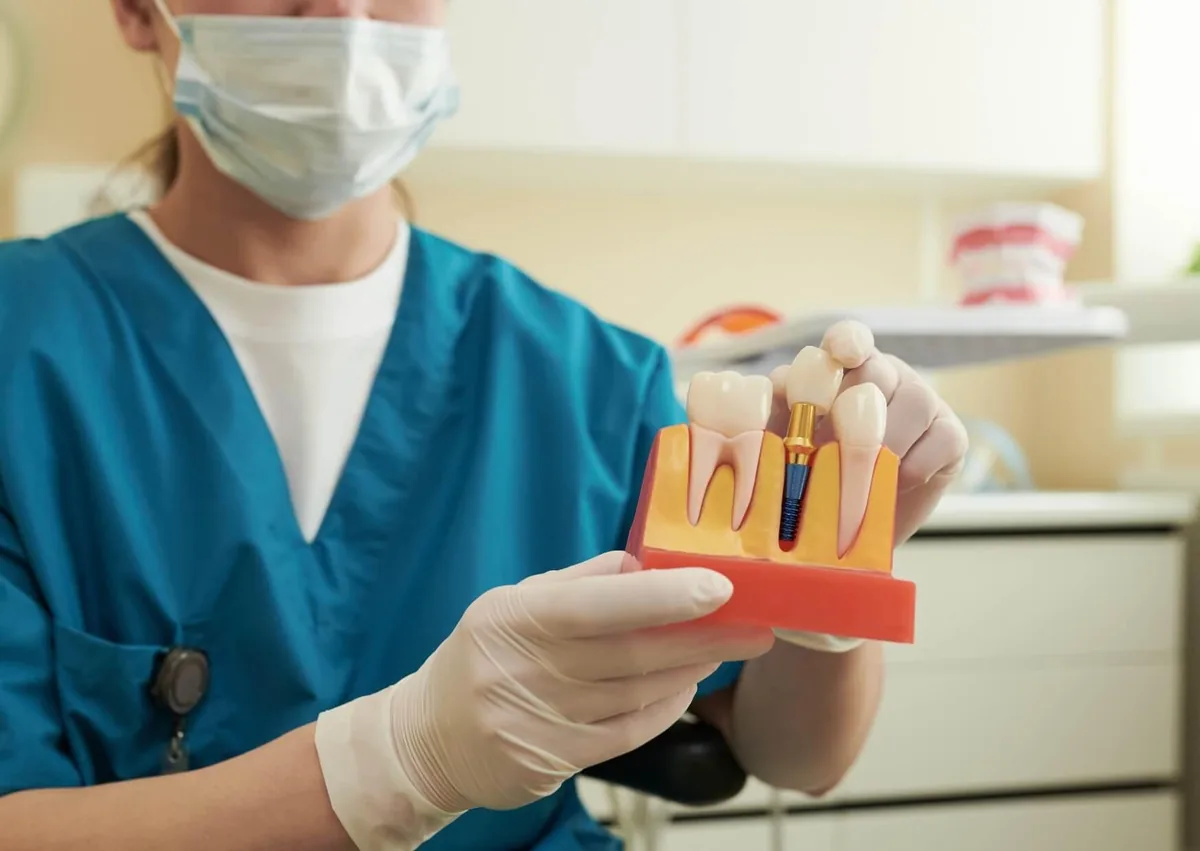
The clinical exam may include checking the gums, testing the bite, and evaluating nearby teeth. The dentist will also look for movement in the crown, abutment, or implant itself.
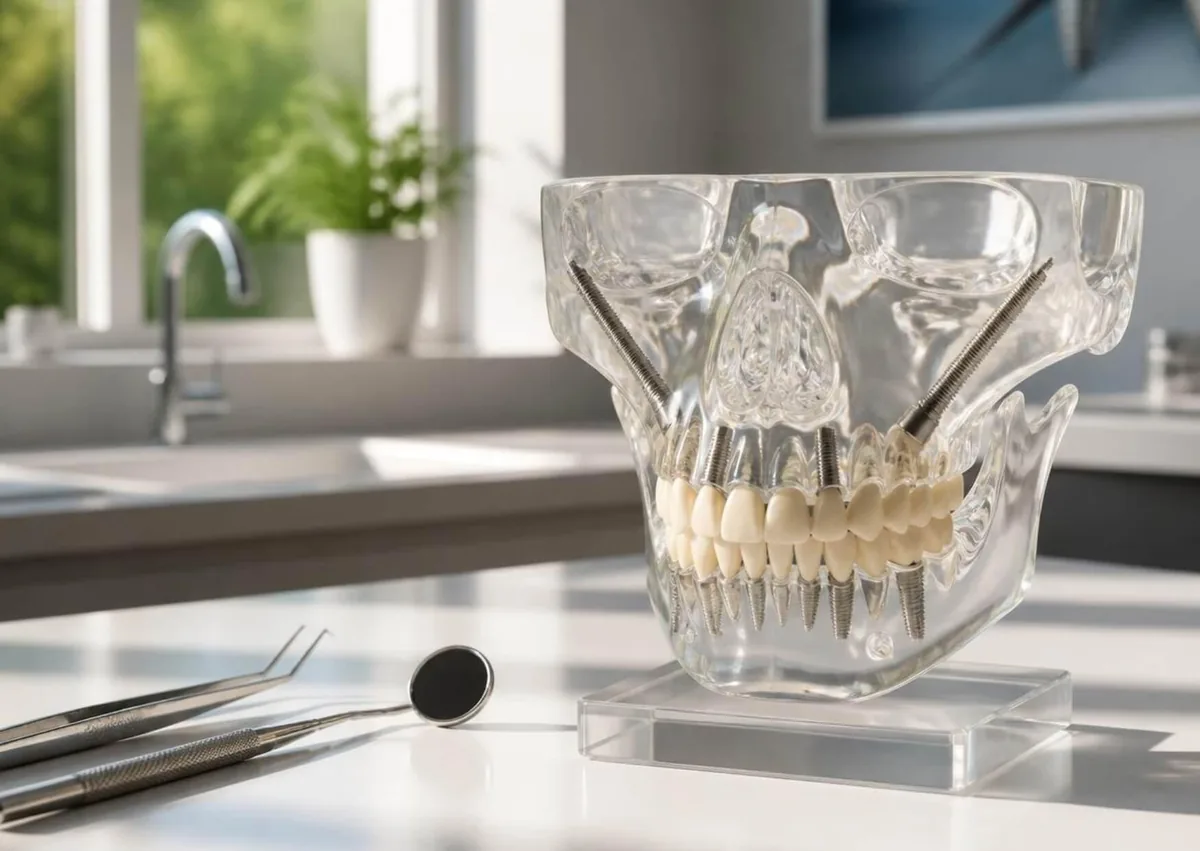
X-rays help show bone levels and how the parts fit together. In some cases, 3D imaging or referral to a specialist may be the best next step.
Do not push on the implant or try to test it at home. Repeated pressure can aggravate the area and may make a loose component worse.
Treatment depends on the source of the pain. Early treatment is often simpler and more protective of the surrounding bone and gum tissue.
If the problem is bite-related, the dentist may adjust the crown so chewing forces are more balanced. If a part is loose or damaged, it may need to be tightened, repaired, or replaced.
A damaged crown may need to be remade, including with same-day crowns in appropriate cases. If the tissue around the implant is inflamed or infected, professional cleaning and periodontal care such as gum disease treatment may be recommended.
If the implant has lost integration or there is advanced bone loss, removal and later replacement may be necessary. If replacement becomes part of the discussion, reviewing the cost of dental implants can help with planning.
Recovery depends on what caused the pain. A bite adjustment or minor component repair may relieve symptoms quickly, though irritated tissue can still take time to settle.
If infection, bone loss, or implant replacement is involved, treatment may take several visits and a longer healing period. In those cases, the area may need months before it can safely handle full chewing pressure again.
During healing, follow your dentist's instructions and avoid foods that trigger pain. Keep the area clean with gentle brushing and any implant-specific cleaning tools your dental team recommends.
Long-term maintenance matters. Patients who grind their teeth, smoke, have a history of gum disease, or have difficulty cleaning around the implant may need more frequent follow-up visits.
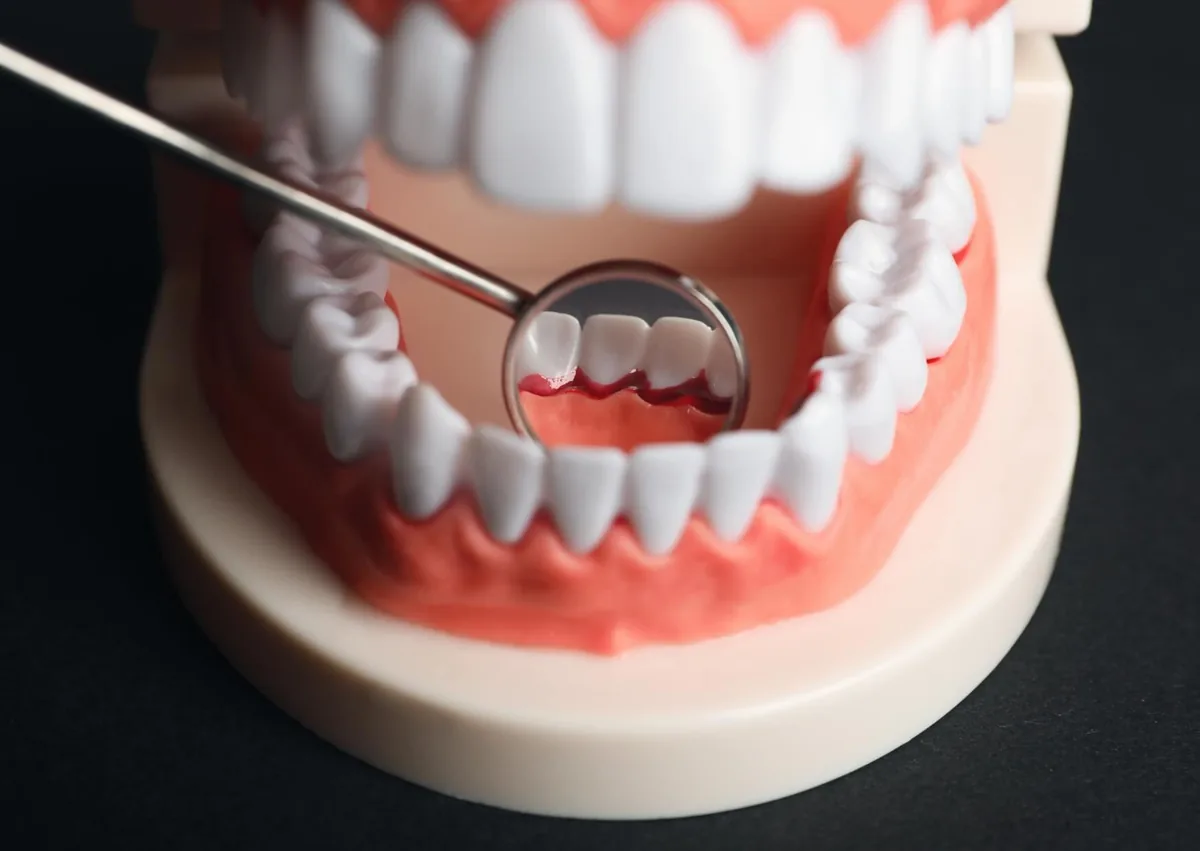
Call a dentist promptly if the pain is persistent, worsening, or new after the implant has been comfortable. Seek urgent care if you notice swelling, drainage, bleeding, fever, a bad taste, or any sense that the crown or implant is moving.
If you have facial swelling, trouble opening your mouth, or signs of infection, local emergency dentistry services may be appropriate. Trouble breathing or swallowing, swelling that spreads toward the eye or neck, or severe illness requires emergency medical care.
Until you are evaluated, avoid chewing on that side. Do not try to tighten, remove, or repair any part of the restoration yourself.
Well-placed dental implants are designed to feel stable and comfortable during normal function. That is why pain with chewing should be treated as a sign to get the area checked, not something to simply wait out.
An exam can identify whether the problem involves the bite, the restoration, the surrounding tissue, the supporting bone, or another tooth. For a broader overview of implant expectations, benefits, and tradeoffs, see dental implants pros and cons.
If chewing pain is persistent or sudden with swelling, arrange a prompt implant-focused exam to protect the restoration and surrounding bone. Call Tabor Dental Associates for dental implants in Hendersonville, TN at (615) 822-3200 to schedule evaluation or ask about same-day options.
Some tenderness can happen during early healing or shortly after a crown is placed. Pain that is severe, persistent, worsening, or starts after months or years of comfort should be evaluated.
Yes. If the crown contacts too heavily, it can place excess force on the implant and surrounding bone. A dentist can check the bite and adjust it if needed.
Not always. Pain can come from a bite problem, a loose restoration, gum inflammation, or a nearby tooth, but it can also happen when an implant is losing support. An exam and imaging are needed to tell the difference.
It is better to avoid chewing on that side until the implant is checked. Continuing to load a loose or inflamed area can make the problem worse.
Brief soreness after surgery may improve as healing progresses. Pain during chewing that does not have a clear short-term cause should not be ignored, especially if it comes with swelling, bleeding, drainage, or movement.