A veneer can look simple from the outside. It is thin, polished, and designed to blend into a smile so naturally that most people stop thinking about the tooth underneath.
That is where the real question begins. When patients ask are veneers permanent, they are usually asking more than whether porcelain stays bonded forever. They want to know what happens to the natural tooth, what future dental work may be needed, and whether there is a point of no return.
The short answer is this: veneers are not permanent in the sense that they last forever unchanged, but the decision to place them is often permanent because the tooth is usually reshaped first. That distinction matters more than marketing language sometimes suggests.
Tabor Dental Associates in Hendersonville, TN offers porcelain veneers and related cosmetic dentistry services and can help patients explore whether veneers are the right long-term choice.
In real life, this question often comes up after years of hiding a chipped front tooth, covering a gap in photos, or feeling frustrated by stains that whitening cannot fully lift. The interest is cosmetic, but the concern is practical.
Most patients want to know three things. Will the veneers need to be replaced, will the original teeth still be usable later, and what happens if one breaks or comes off years down the road?
Those are reasonable concerns. Cosmetic dentistry should not be presented as casual, especially when healthy enamel, the hard outer layer of the tooth, may be altered to make room for the restoration.
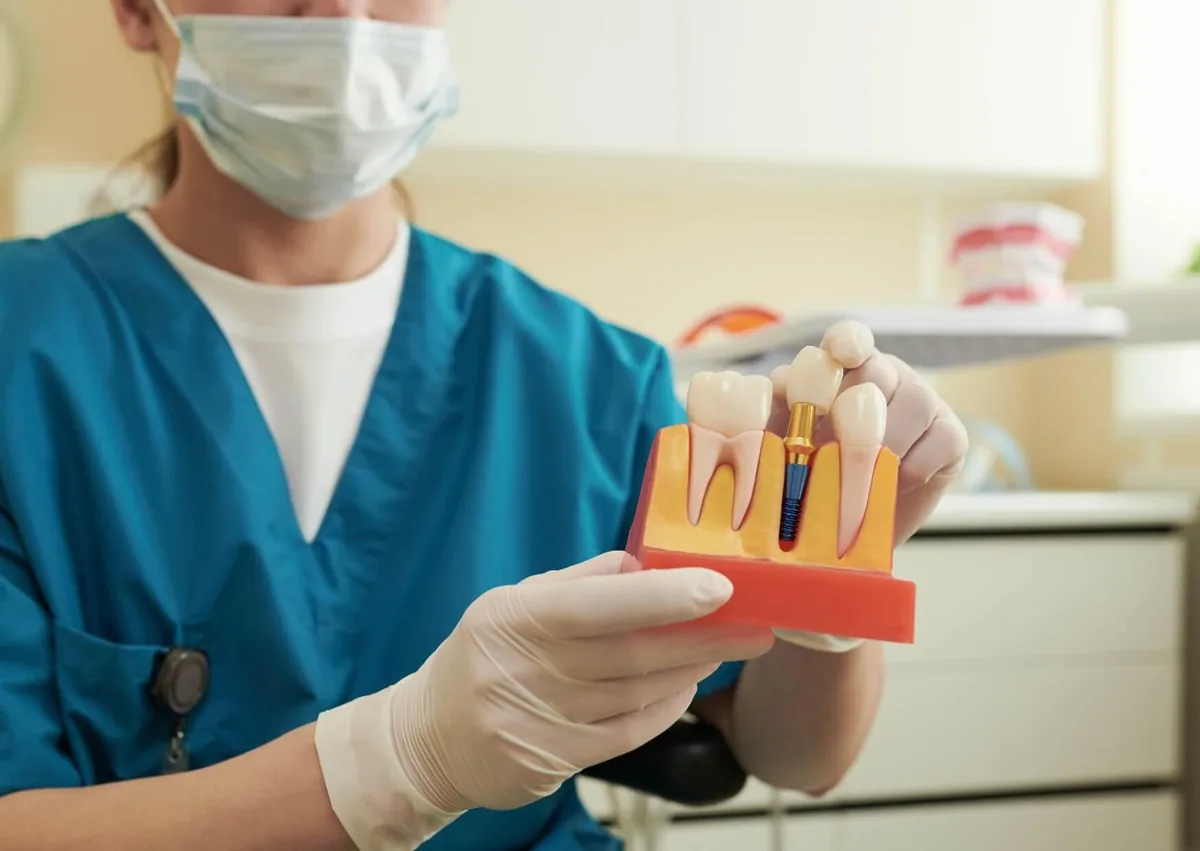
Most traditional veneers require some enamel removal from the front surface of the tooth. This reshaping creates space so the veneer does not look bulky and can sit naturally within the smile.
Once enamel is removed, the tooth does not grow it back. That is the main reason veneers are often described as a permanent cosmetic commitment.
This does not mean the veneer itself is permanent. Porcelain and bonding materials can wear, chip, loosen, or need replacement over time, but the tooth may continue to need some form of coverage because its original surface has been changed.
In some cases, very minimal-prep or no-prep veneers are discussed. These options may preserve more enamel, but they are not right for every smile, and veneer placement is still often considered an irreversible procedure when enamel is reduced. Case selection matters. Learn more about prepless veneers.
Well-made porcelain veneers often last many years, and estimates of 10 to 15 years or longer are common. Some last beyond that, especially when the bite is stable and the veneers are placed on carefully selected teeth.
Composite veneers, which are made from tooth-colored resin rather than porcelain, usually have a shorter lifespan. They can still be a useful option, but they tend to stain, wear, and chip more easily.
Longevity depends on more than the material. It also depends on bite forces, clenching or grinding, oral hygiene, the skill of the dentist and laboratory, and whether the teeth already have cracks, large fillings, or gum changes.
A veneer that looks perfect on the day it is bonded is only part of the story. The real test is how it holds up after coffee, night grinding, sports injuries, gum recession, and years of normal chewing.
Published survival rates support the idea that porcelain veneers can perform well long term, but outcomes still vary by case. For a deeper look at expected timelines, see how long veneers last.
A veneer covers the visible front surface of the tooth. It does not remove the tooth, and it does not usually cover the entire tooth the way a crown does.
The natural tooth underneath remains alive in most cases unless there is a separate problem such as deep decay, trauma, or severe pre-existing damage. Even so, the tooth still needs ongoing care because a veneered tooth can still develop dental problems.
For example, decay can form at the margins where the veneer meets the tooth. The tooth can also become sensitive, especially early on, or later if gum recession exposes areas that were not originally covered.
In rare situations, a tooth may later need root canal treatment, which is treatment inside the tooth's nerve space, if the pulp becomes inflamed or infected. That does not happen with every veneer, but it is one of the long-term possibilities patients should understand before treatment.
Veneers are usually replaced because of chipping, fracture, leakage at the edges, color mismatch, gumline changes, or changes in the bite. Sometimes the veneer is still attached but no longer looks natural because the surrounding teeth or gums have changed.
Replacement can also become necessary when a tooth develops decay or when the bonding weakens. In those cases, the issue may not be obvious to a patient right away.
This is one reason follow-up matters. A veneer can look fine in the mirror while a dentist sees early margin breakdown, wear patterns, or stress lines that suggest future trouble.
If a veneer fails, the next step is not always another veneer. Depending on the remaining tooth structure, a same-day crowns or another type of restoration may be more appropriate.
Patients often ask whether veneers are more permanent than other cosmetic treatments. The answer depends on what permanent means.
Teeth whitening is not permanent because the effect fades and may need maintenance, but it usually does not remove tooth structure. Bonding can improve shape and color with less alteration in some cases, but it may stain or chip sooner.
Crowns cover more of the tooth and are often used when the tooth is already heavily restored or structurally weakened. Veneers are more conservative than crowns in many cosmetic cases, but they are still not reversible in the usual sense when enamel has been reduced.
Here is a simple comparison:
| Treatment | What It Changes | How Long It Often Lasts | Reversible? |
| Whitening | Lightens tooth color | Months to a few years | Usually yes |
| Bonding | Adds resin to improve shape or color | Often shorter-term than porcelain | Sometimes partly |
| Veneers | Covers front tooth surface, often after enamel reshaping | Often many years with maintenance | Usually no in the practical sense |
| Crowns | Covers most or all of the visible tooth | Often many years with maintenance | No |
The best option depends on the tooth, the bite, and the cosmetic goal. A treatment that seems less permanent at first may actually be the more responsible choice if it preserves more healthy enamel.
For a more focused comparison, consider reading bonding vs. veneers and crowns vs. veneers when weighing options.
Veneers are not ideal for every patient who wants a brighter or straighter smile. A careful dentist should slow down the process if there is active gum disease, untreated decay, major bite instability, or heavy grinding.
Patients with severe clenching or bruxism, which means grinding or jaw tightening, may place high stress on veneers. That does not always rule them out, but it can change the treatment plan and the long-term risk.
A pause is also wise when the main issue is orthodontic. If teeth are significantly crowded, rotated, or protrusive, moving the teeth may be healthier than aggressively reshaping them to fit veneers.
In those cases, discreet options such as clear braces may provide a less destructive long-term solution. This is where cosmetic dentistry becomes an ethical issue, not just a style choice.
A fast smile makeover can look appealing online, but preserving healthy tooth structure should remain the priority.
Some mild sensitivity can happen after preparation and bonding, especially with cold foods or air. That may settle as the tooth adapts.
Persistent pain is different. Contact a dentist if there is severe tooth pain, swelling, a loose veneer, or pain when biting, especially if symptoms are getting worse instead of better.
Other reasons to schedule an evaluation include a rough edge, a visible gap at the margin, new staining around the veneer, bleeding gums around one restored tooth, or a bite that suddenly feels off. These signs do not always mean failure, but they deserve attention.
If facial swelling, fever, or rapidly increasing pain develops, urgent dental care is appropriate. Those symptoms can point to infection or another problem that should not be watched at home.
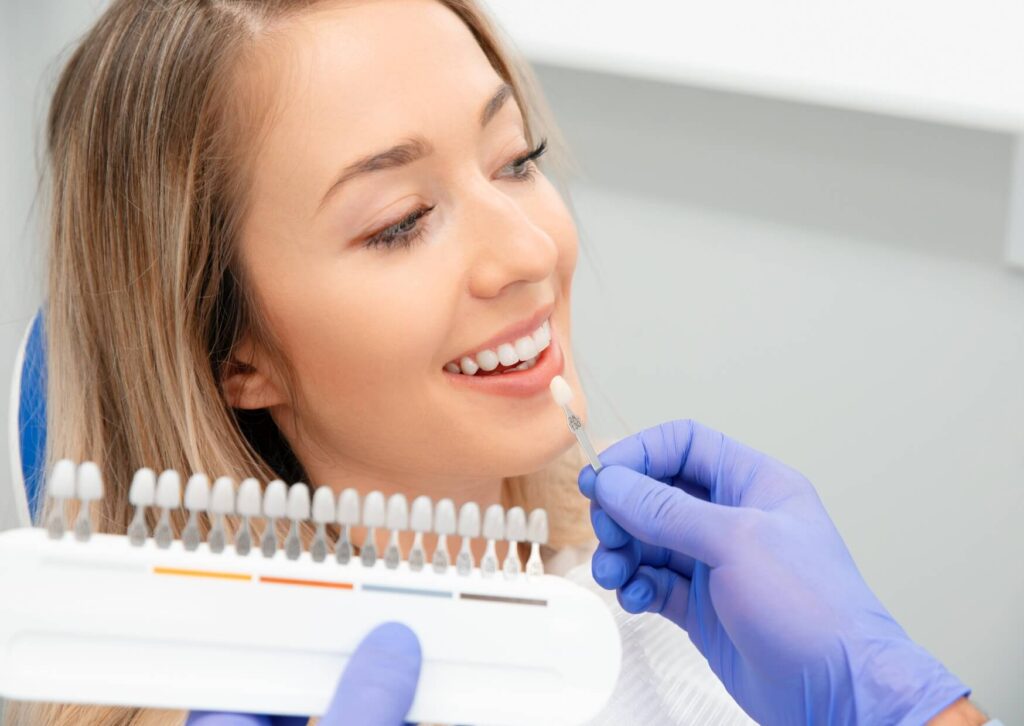
Instead of asking only whether veneers are permanent, ask what will be permanently changed. That usually leads to a more honest conversation.
Useful questions include how much enamel will be removed, whether a more conservative option is possible, how the bite affects longevity, what maintenance is expected, and what the likely replacement path would be in 10 or 15 years. Those answers reveal far more than a simple yes or no.
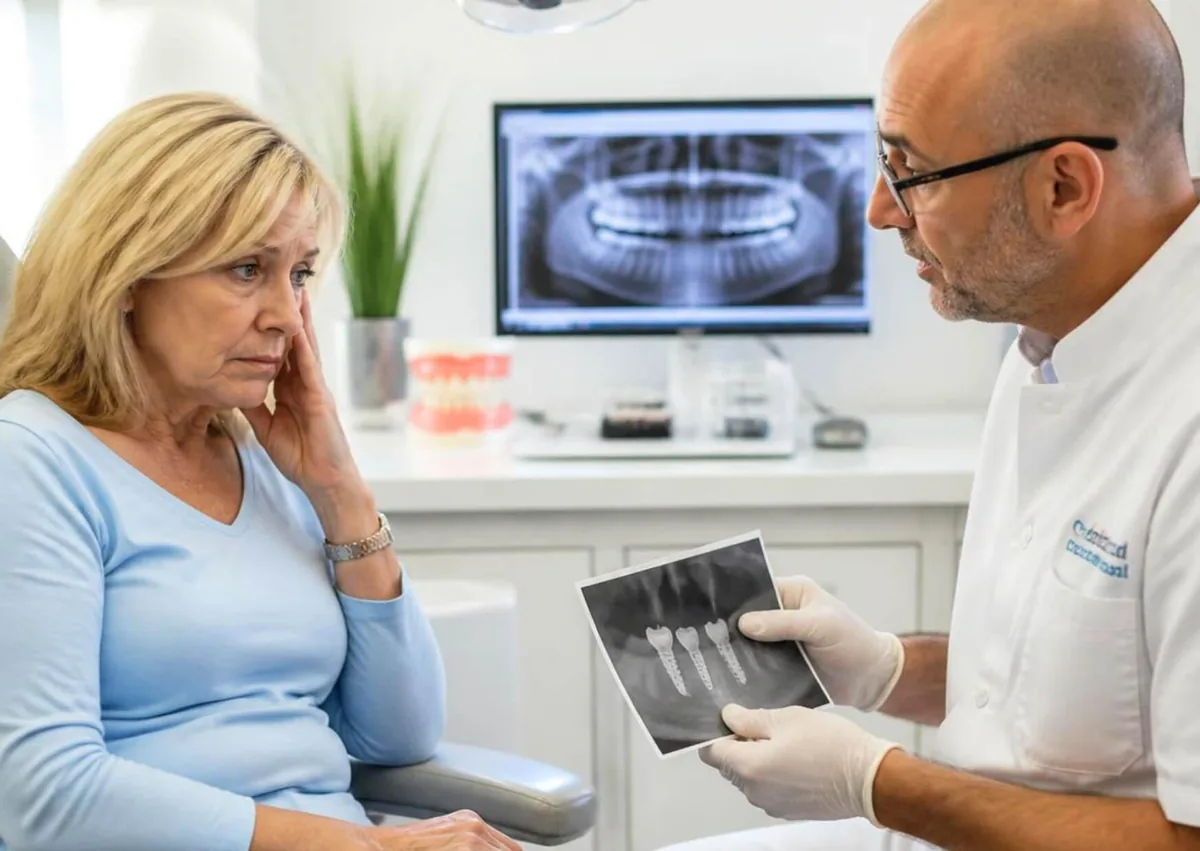
A good consultation should also include photographs, a clear explanation of alternatives, and a discussion of limits. If the plan sounds effortless, risk-free, or universally ideal, that is a reason to slow down.
Veneers are sometimes one part of a larger plan. A smile makeover can combine veneers with whitening, bonding, or orthodontics to reach a result that looks natural over time.
Veneers can be an excellent treatment. They are simply best chosen with the same seriousness as any other procedure that changes healthy teeth for the long term.
If the goal is a smile that looks better without creating avoidable future problems, the most valuable next step is not a sales pitch. It is a careful dental evaluation that explains what your teeth need now, what they may need later, and whether veneers truly fit that picture.
If you’re considering porcelain veneers, Tabor Dental Associates in Hendersonville, TN (serving patients from Goodlettsville and nearby areas) can help. Call (615) 822-3200 to schedule a consultation.
No. Veneers do not last forever, and many will eventually need repair or replacement. The more permanent part is that the tooth is often reshaped first, which usually makes the decision long-term.
In many traditional cases, no. If enamel was removed to place the veneer, the tooth will usually still need coverage afterward.
Not all cases require the same amount of tooth reduction. Some minimal-prep options exist, but they are not appropriate for every tooth position, color, or smile goal.
Porcelain veneers usually last longer and resist staining better than composite veneers. Neither type is permanent forever, and both may need maintenance or replacement.
Yes. A veneer can loosen or detach if bonding fails, the tooth changes, or bite forces place too much stress on it. A detached veneer should be assessed by a dentist rather than glued back at home.
That is too broad to say. Veneers do not automatically ruin teeth, but they do often involve irreversible enamel removal, and the teeth still need lifelong care after treatment.