A cavity often starts quietly. Many people expect a dark hole, but tooth decay may begin as a faint color change or a subtle rough spot that is easy to overlook.
That is what makes this question tricky. A cavity may look like a white spot, a brown area, a shadow, or a small hole, depending on how advanced it is and where it forms.
Tabor Dental Associates in Hendersonville, TN provides emergency dentistry for urgent dental problems like swelling or severe pain.
The outer layer of the tooth is enamel. It is the hard protective shell, and when acids from bacteria start pulling minerals out of it, the first sign may be a chalky or dull patch instead of a hole.
This early stage is called demineralization. In simple terms, the tooth surface is starting to weaken even though it may still look mostly intact.
That is why a tooth can seem normal in the mirror while decay is still developing. In some cases, the surface stays closed while the area underneath softens.
A common example is a back molar with deep grooves. Food and plaque can collect there, and the groove may show only a dark line even while the tooth structure below is changing.
An early cavity may appear as a chalky white spot near the gumline or on a smooth tooth surface. These early white spot lesions can form before a visible hole appears.
At this stage, there may be no pain. The tooth may simply look duller or less shiny than the surrounding enamel.
As decay progresses, the area may turn tan, brown, or black. This is the version many people recognize, but color alone does not confirm a cavity.
Some harmless stains sit in grooves or around old dental work and can look concerning without being active decay. A dentist often needs an exam and, in many cases, X-rays to tell the difference.
When enamel breaks down, a cavity may look like a tiny pit or a more obvious hole. The area may catch a fingernail or feel rough to the tongue, though repeatedly checking it at home is not a good idea.
A visible hole usually means the decay is no longer in its earliest stage. At that point, the tooth often needs professional treatment rather than simple monitoring.
Some cavities, especially between teeth or under enamel, show up as a gray or dark shadow instead of an open hole. This can be easy to miss in a bathroom mirror.
These hidden areas are one reason routine dental imaging matters. A tooth may look intact from the front while decay is developing where you cannot easily see it.
Molars and premolars often develop cavities in their chewing grooves. These areas may look like dark specks, narrow lines, or small pits.
Not every dark groove is decay. Some are only stained, but grooves that trap plaque are common places for cavities to begin.
Cavities between teeth are among the hardest to spot without X-rays. You may not see anything at all until the decay becomes larger.
Sometimes the only clue is floss shredding, food trapping, or a new area of sensitivity. Even then, those signs can have more than one cause.
Decay near the gumline may appear as a pale white band, a yellow-brown notch, or a rough area close to the gums. This pattern can be more common when plaque stays along the tooth edge or when gums recede and expose the root, as explained in exposed teeth roots.
Root surfaces are softer than enamel. That means root cavities can spread faster than enamel cavities and should be checked promptly.
A cavity can also form at the edge of an existing filling or crown. The margin may look dark, uneven, or chipped.
This does not always mean the restoration has failed, but it should be evaluated. Decay around older dental work can be difficult to judge accurately by appearance alone.
A stain is usually just color. A cavity is a disease process that weakens tooth structure.
That sounds simple, but the two can look very similar in real life. Coffee, tea, tobacco, deep grooves, and even natural enamel variations can create dark areas that are not active decay.
Here is a practical comparison:
| Feature | May Suggest Stain | May Suggest Cavity |
| Color | Brown or dark surface color with no obvious change in shape | White, brown, black, or gray area with possible surface breakdown |
| Texture | Usually smooth | May feel rough, soft, or catch in a pit |
| Shape | Tooth keeps its normal contour | May show a notch, pit, or hole |
| Symptoms | Often none | May include sensitivity, food trapping, or pain |
| Progression | Often stable | May enlarge or darken over time |
Even this table has limits. A dentist can learn more from dryness, lighting, a careful exam, and X-rays than a photo or mirror check can show.
A cavity may cause sensitivity to cold, sweets, or brushing. Some teeth also become tender when chewing, especially if the decay is deeper or a piece of enamel has weakened.
If being sensitive to sugar is your main concern, that can be a useful clue. For a fuller guide to symptoms, read about what a cavity feels like.
Food getting stuck in one spot over and over can also be a sign. So can floss tearing in the same area repeatedly.
Still, symptoms are not a perfect guide. Some cavities cause no discomfort, while some sensitive teeth have no decay at all.
That uncertainty matters. If a tooth looks different and also feels different, it is reasonable to schedule a dental exam instead of waiting too long.
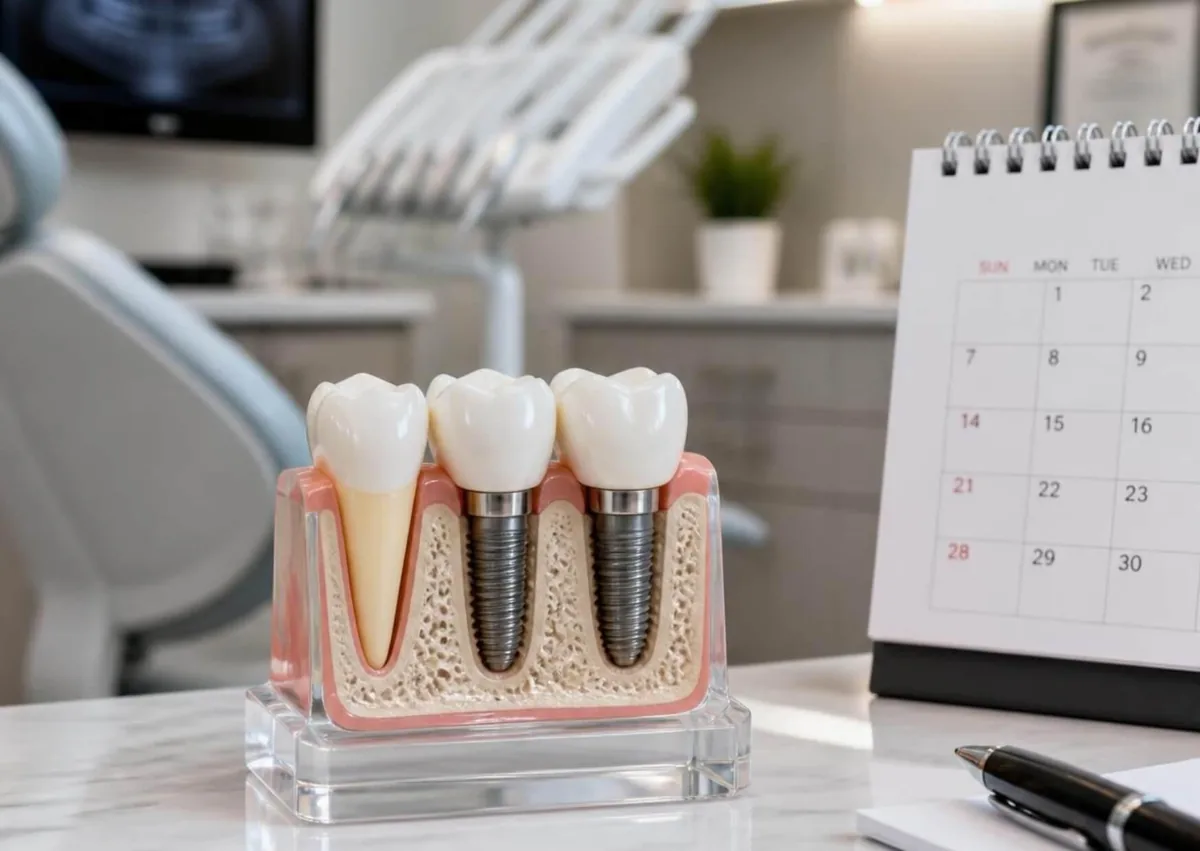
Under the enamel is dentin, a softer layer that decays more easily. Once a cavity reaches dentin, the tooth may darken more, soften, or break down faster.
Deeper still is the pulp, the inner tissue that contains nerves and blood supply. When decay irritates or infects this area, pain may become more persistent, spontaneous, or severe.
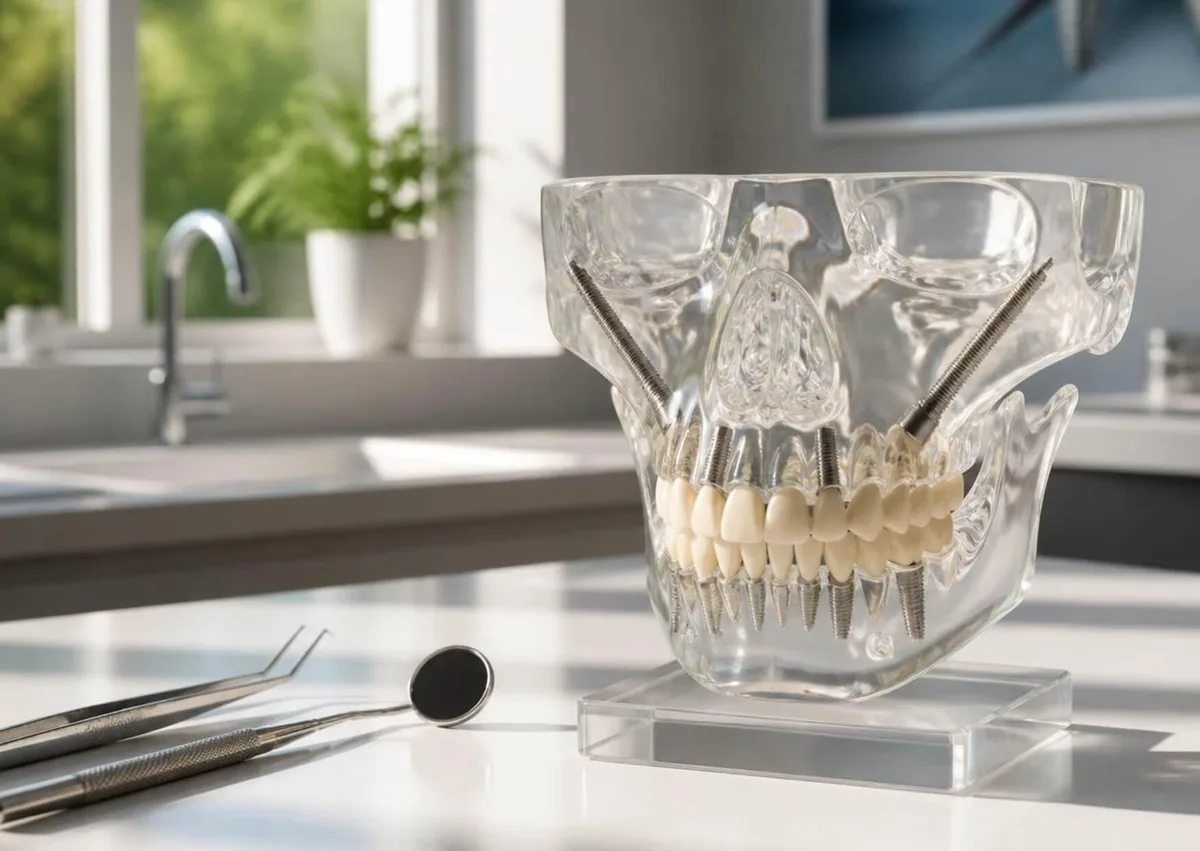
At that stage, the issue is no longer just cosmetic. It may require a filling, such as composite fillings, a crown, root canal treatment, or in some cases extraction, depending on how much healthy tooth remains.
For patients whose cavities have caused significant structural damage, options such as same-day crowns can restore the tooth quickly using in-office digital design and milling.
This is where delay can become expensive and medically unwise. A small area that might have been managed conservatively can turn into a dental infection if ignored.
Seek prompt dental care if you notice facial swelling, gum swelling with pus, severe throbbing pain, or pain that keeps you awake. These signs may point to infection or significant inflammation inside the tooth and may require immediate attention, such as emergency dentistry.
Cleveland Clinic's guide to a dental emergency also highlights swelling, severe pain, and abscess symptoms as reasons to get urgent care.
Also move quickly if part of the tooth breaks, the tooth becomes painful to bite on, or sensitivity suddenly worsens. A cracked tooth, deep cavity, or failing restoration may be involved.
If swelling affects the face, jaw, or ability to swallow, or if you have a fever or feel unwell, urgent evaluation is important. Those symptoms can signal a spreading infection and should not wait for a routine appointment.

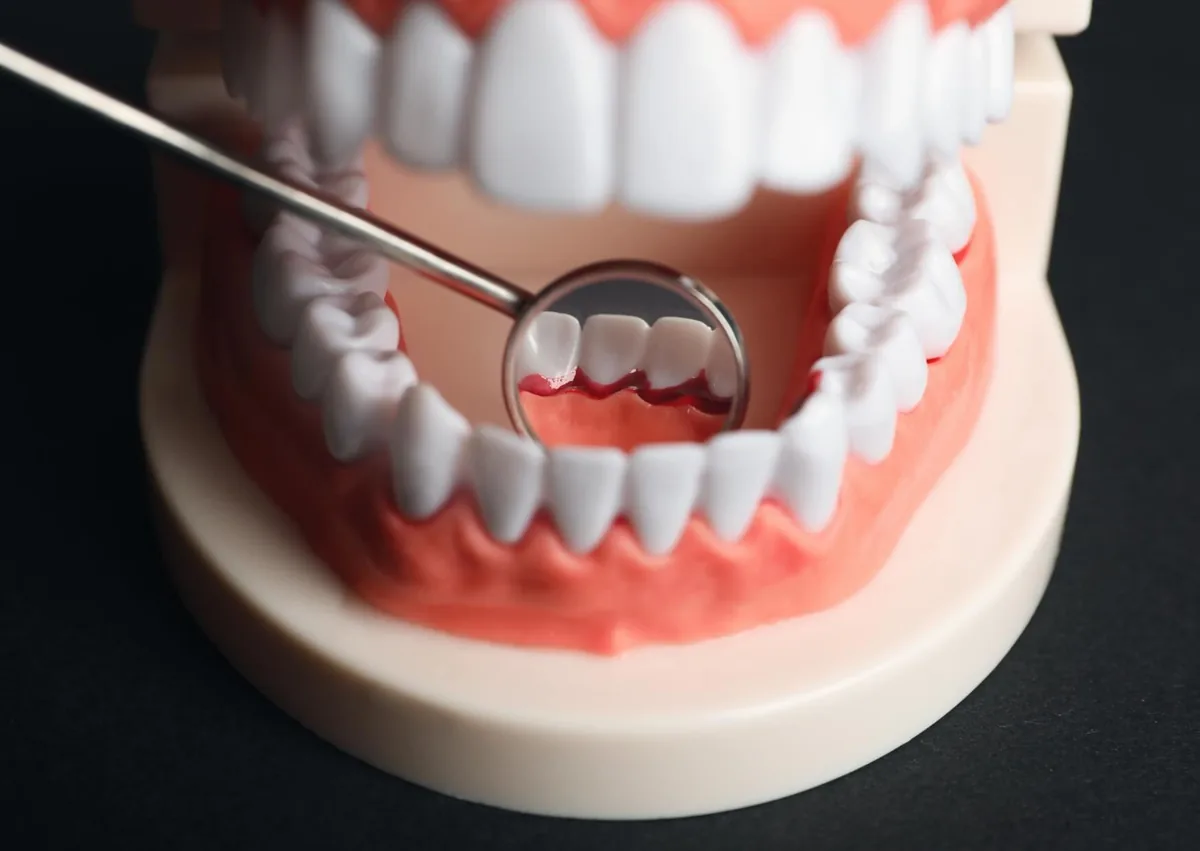
A dentist usually starts with a visual exam under strong light after the tooth is dried. Dry enamel can reveal early white spot changes that are harder to see when the tooth is wet.
X-rays are often used to check between teeth, under restorations, and in areas where the surface looks normal but hidden decay is possible. Bitewing radiographs are especially helpful for finding early decay between teeth, where direct view is limited.
In some cases, the dentist may monitor a suspicious area rather than treat it right away. In others, the exam and imaging clearly show that the tooth structure has already broken down and needs repair.
That distinction matters both ethically and clinically. Treating too early can remove healthy tooth structure, while waiting too long can allow avoidable damage.
If you notice a new white, brown, or dark area on a tooth, make note of where it is and whether it changes over a few weeks. A photo in good lighting can help you track visible changes, especially near the gumline or on front teeth.
Keep the area clean with normal brushing and flossing, but do not scrape, pick, or test the tooth repeatedly. That will not diagnose the problem and may irritate the area.
Also keep up with regular professional teeth cleaning to remove plaque and tartar that help cavities start and progress.
If the spot comes with sensitivity, food trapping, roughness, or a visible hole, book a dental visit rather than trying to judge it at home. Appearance alone is not enough to rule decay in or out.
For many patients, the hardest part is uncertainty. A suspicious mark may be nothing more than a stain, but when a tooth starts changing in color, texture, or comfort, getting a professional opinion is usually the most sensible next step.
If you notice severe symptoms, Tabor Dental Associates in Hendersonville, TN offers emergency dentistry for urgent problems and serves patients from Nashville and Goodlettsville; call (615) 822-3200 to schedule.
Yes. Early decay may appear as a chalky white spot before it turns brown or forms a hole. That white area can reflect mineral loss in the enamel.
No. A black or brown spot may be a stain, especially in deep grooves or around older dental work. A dental exam is often needed to tell whether the area is active decay.
Yes. Many cavities begin below the surface or between teeth, where they may not create a visible hole right away. Some only show up clearly on X-rays.
Often, it does not look like much from the outside. It may appear as a faint shadow, or there may be no visible change until the cavity becomes larger.
A spot should be checked if it is new, getting darker, feels rough, traps food, or is linked with sensitivity or pain. It should also be evaluated promptly if there is swelling, a broken tooth, or worsening symptoms.