Yes, you can eat some candy with braces, but not every type is a good choice. The biggest problems are sticky texture, hard biting force, and sugar sitting around brackets.
If sweets make your teeth ache, read more about teeth sensitive to sugar and why sugar affects some patients more than others.
In real life, the candies that cause the most trouble are usually the ones that stick, pull, or require hard chewing. For most patients, it helps to think less about “candy or no candy” and more about which textures are least likely to cause a problem.
Tabor Dental Associates offers clear braces as a more discreet orthodontic option for patients in Hendersonville, TN.
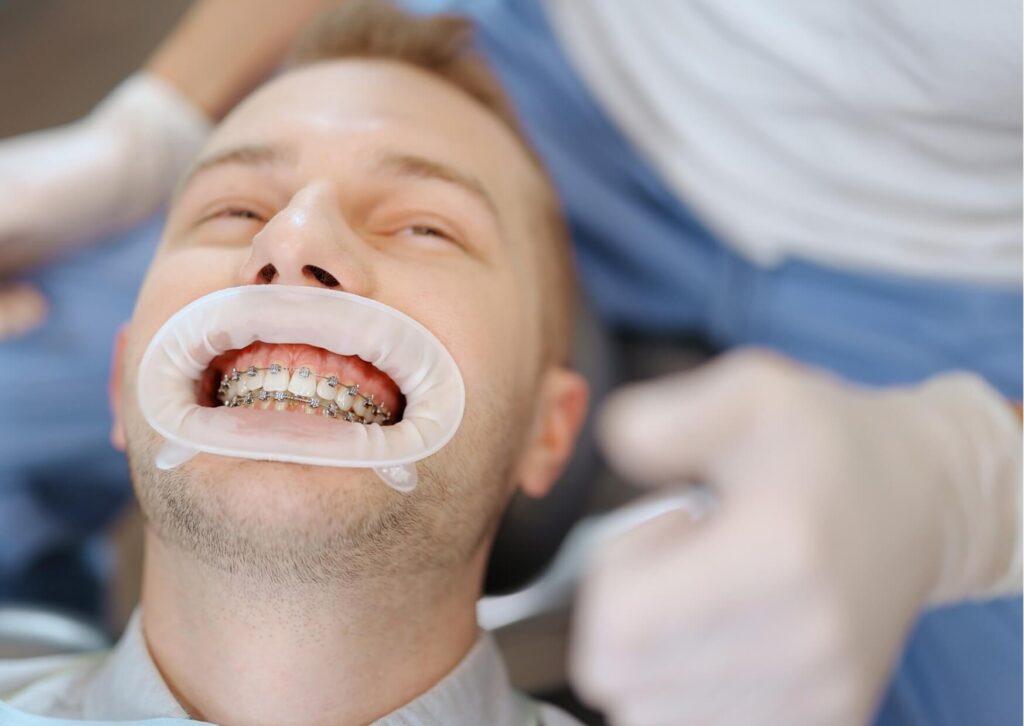
Brackets and wires are designed to apply steady pressure to move teeth over time. Hard or chewy candy can add sudden force to those parts, and brackets can be dislodged by hard biting.
The second issue is cleaning. Candy that lingers on teeth gives bacteria more time to produce acid, and braces make those areas harder to brush and floss well.
That is why white marks near brackets can develop during orthodontic treatment when plaque and sugar exposure happen often. Braces do not automatically damage teeth, but they do leave less room for error.
Some candies are much more likely to damage braces than others. The highest-risk choices are the ones that stick, stretch, crack, or require strong biting force.
Common examples include:
These candies can pull at brackets, wedge under wires, or stay trapped around braces for a long time. Chewy and sticky candy is usually the worst choice because it combines mechanical stress with prolonged sugar contact.
Hard candy creates a different problem. Even if you plan to suck on it, many people eventually bite down and risk chipping enamel or breaking part of the appliance.
If you are going to have candy during treatment, softer options are usually less risky for the braces themselves. That does not make them harmless, but it does lower the chance of bending a wire or loosening a bracket.
Options that may be easier on braces include:
Chocolate is often the most practical choice because it clears the mouth faster than sticky candy. Plain soft chocolate is usually the least troublesome option for many braces patients.
Frequency still matters. Eating candy once with a meal is usually easier on teeth than snacking on sweets throughout the day.
When braces break, treatment can slow down. A loose bracket or bent wire may reduce control over tooth movement and lead to an extra repair visit.
The dental side matters just as much. If sugar and plaque collect around brackets, patients can develop decalcification, which shows up as chalky white areas on enamel.
These white spots after braces can still be visible after treatment ends. Regular teeth cleaning appointments help remove plaque and tartar that contribute to white spots and cavities during orthodontic treatment.
Gums may also become swollen or bleed more easily when cleaning is difficult. Cavities around brackets and gum irritation are common reasons orthodontists tell patients to be selective about sweets.
If you are worried about new tooth pain, read what a cavity feels like.
If you eat candy with braces, try to keep it to one short eating period instead of grazing for hours. Afterward, rinse with water and brush when you can.
That helps remove sugar and debris from around brackets and along the gumline. Flossing with braces takes more time, but it is important if candy has packed around the wire or between teeth.
Also pay attention to how your braces feel afterward. A loose bracket, a poking wire, or a bite that suddenly feels off may mean the appliance was stressed.
If that happens, contact your orthodontic office for guidance instead of trying to fix it yourself.
A little food stuck in braces is common. Ongoing pain, swelling, bleeding that does not settle, a broken wire, or a bracket that has come loose should be checked more quickly.
Urgent evaluation matters if a wire is cutting your cheek or gum, part of the appliance has come off, or swelling is getting worse. A loose bracket or poking wire should be assessed promptly so treatment is not disrupted more than necessary.
If symptoms are severe, worsening, or hard to explain, a professional exam is the safest next step. In severe cases, seek out emergency dentistry.
If pain is keeping you awake or affecting sleep, read about extreme tooth pain.
Most braces patients do not struggle with candy on an ordinary day. The bigger problems usually happen at Halloween, holiday gatherings, movie theaters, road trips, and school events.
That is when sticky candy and repeated snacking tend to add up. A simple plan works best: choose one lower-risk sweet, eat it in one sitting or with a meal, and clean your teeth afterward.
That approach is usually much better than nibbling on chewy candy throughout the day. If you are early in treatment or have already broken a bracket once, it is worth being even more careful.
Not every braces case is the same. Some patients are in more delicate wire stages, have recent adjustments, wear rubber bands, or already have enamel weakness.
If you have had repeated loose brackets, frequent wire problems, or early signs of enamel changes, ask your orthodontist for specific food guidance. That can be especially helpful for children, teens, and adults trying to manage braces around work, school, travel, or social events.
A quick conversation can prevent bigger setbacks. If you are unsure which sweets are realistic and safe for your situation, schedule a dental or orthodontic consultation about clear braces and get advice that fits your treatment stage.
Tabor Dental Associates provides clear braces in Hendersonville and serves nearby areas like Nashville and Goodlettsville; call (615) 822-3200 to schedule.
Usually, yes, if it is soft chocolate without hard nuts, caramel, or toffee. Chocolate is generally less likely to break braces than sticky or hard candy, but brushing afterward still matters.
Sticky and chewy candy is usually the highest risk. Caramel, taffy, gummies, and hard candy are common causes of broken brackets and trapped sugar around braces.
Not necessarily. Check for a loose bracket, a bent wire, or new discomfort, and clean your teeth well.
If anything feels off or pain continues, contact your orthodontic office.
It can increase the risk. Braces create more places for plaque to collect, and frequent sugar exposure may lead to enamel changes or cavities if cleaning is not consistent.
Many orthodontists recommend avoiding the highest-risk types rather than every sweet completely. The safest approach depends on your braces, your cleaning habits, and whether you have had prior appliance breakage or early cavity concerns.